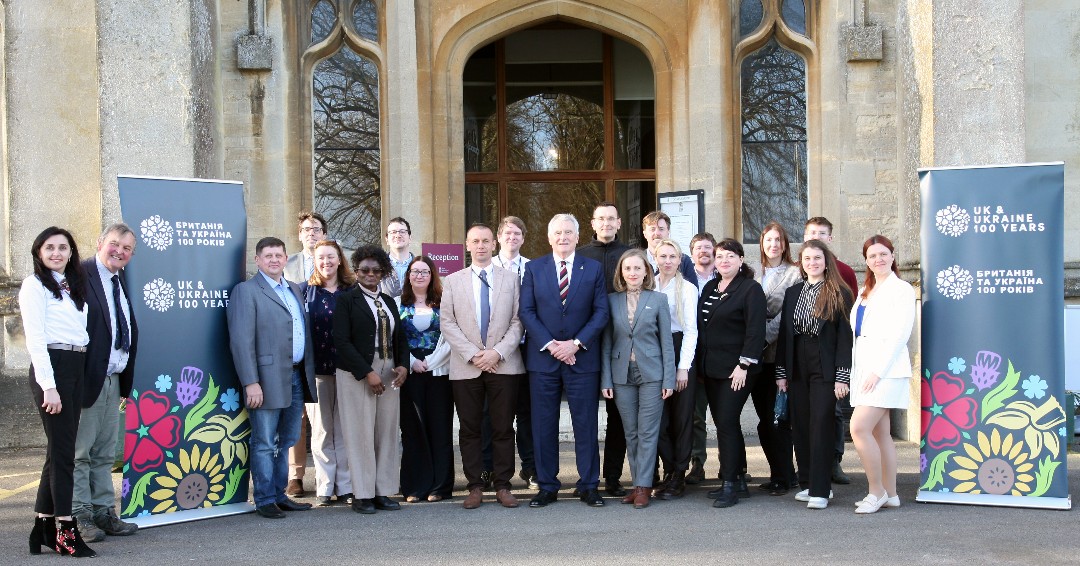
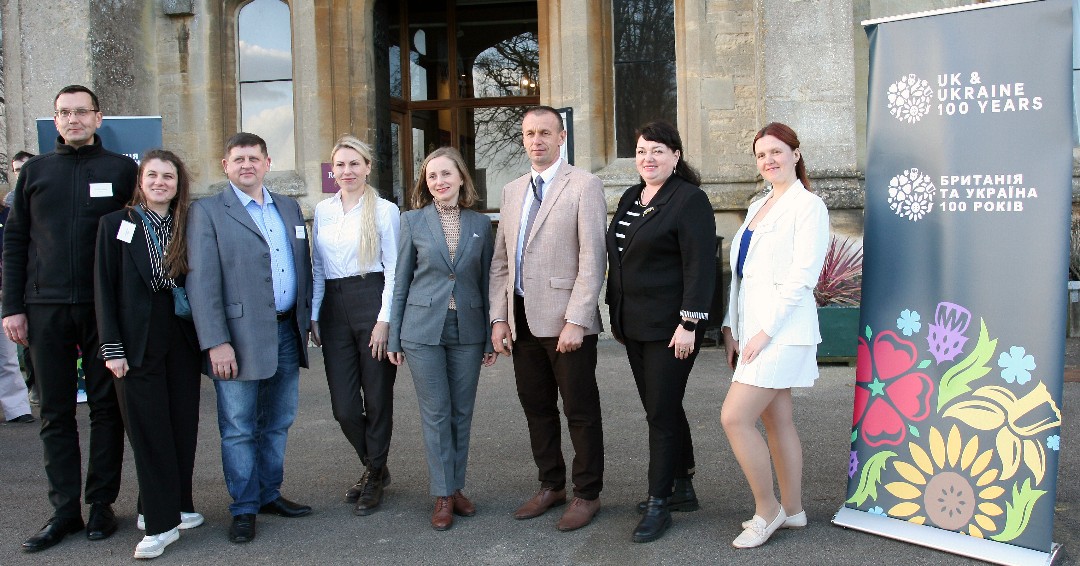
The three-day UK/Ukraine Soil Pollution Conference summarised the results of the joint project UK/Ukraine: War-Polluted Soils Recovery and Remediation, implemented by Sumy National Agrarian University and the Royal Agricultural University of Great Britain (RAU). The study covered five regions of Ukraine and laid the foundation for restoring soil fertility and strengthening global food security.
The project started in 2025 and is funded by the UK government through the Department for Environment, Food and Rural Affairs (DEFRA) as part of the 100-year partnership between Ukraine and the UK. Its budget is 650,000 pounds sterling (≈ 37 million UAH / 800,000 USD) and covers the full cycle of research – from soil sampling to developing remediation solutions and training farmers in the affected regions.
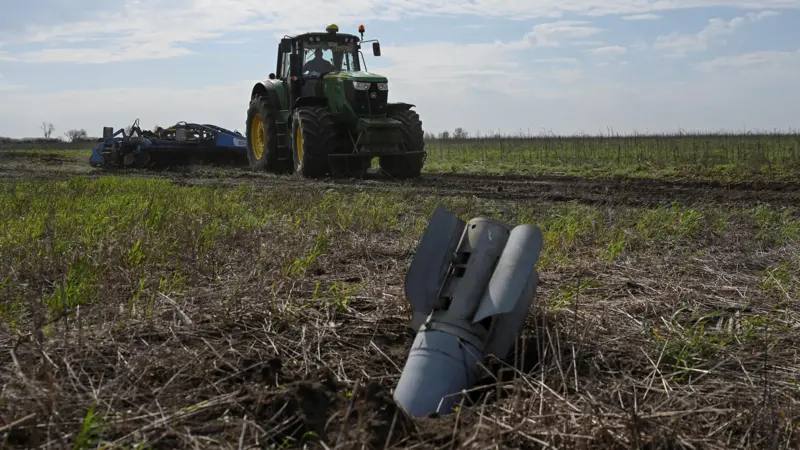
Ukrainian fields are currently experiencing unprecedented anthropogenic stress. Metal, fuel, explosions and toxic elements are transforming the structure of soils – and at the same time affecting the future of crops, the sustainability of farms and the country’s food security. As part of the project, Ukrainian and British scientists have taken more than 8,000 soil samples in regions where hostilities have recently continued. The results of laboratory analyses demonstrate a clear pattern: the highest concentrations of toxic metals – lead, zinc, cadmium, cobalt and copper – were recorded in places where military equipment was burned. At the same time, areas with craters from missiles and bombs turned out to be much less contaminated.
“We saw a lot of destroyed equipment in Ukrainian fields. That’s where the concentration of toxic elements is highest,” notes British expert David O’Connor. He also adds: “This data allows us not only to identify “hot spots” of contamination, but also to develop effective methods of soil cleaning so that farmers can safely return to work on these lands.”
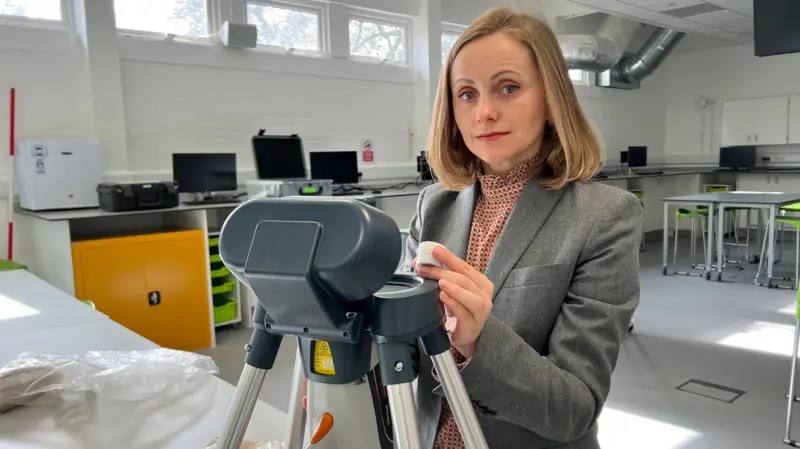
The results of the study have already attracted the attention of international media, in particular, the BBC, which highlighted the scale of the problem and the joint work of Ukrainian and British scientists.
The project combines laboratory science, field research and strategic planning. Ukrainian researchers are actively using geographic information systems, remote sensing of the Earth and nature-based remediation methods, forming practical solutions for the safe restoration of lands.
SNAU Rector Ihor Kovalenko emphasizes:
“For Sumy National Agrarian University, participation in this project is not just scientific work. This is a real opportunity to restore Ukraine’s agricultural potential. Together with British partners, we are studying the consequences of war for soils and creating practical solutions that are already helping farmers today”.
The cooperation between SNAU and RAU includes conducting joint research, organizing international scientific events, exchanging experience, and developing laboratory infrastructure for analyzing soil conditions. Restoring Ukrainian agricultural lands is important not only for the country, but also for global food security, as Ukraine plays a key role in the global food market.
Read more about the info drive on the BBC platform at the link.