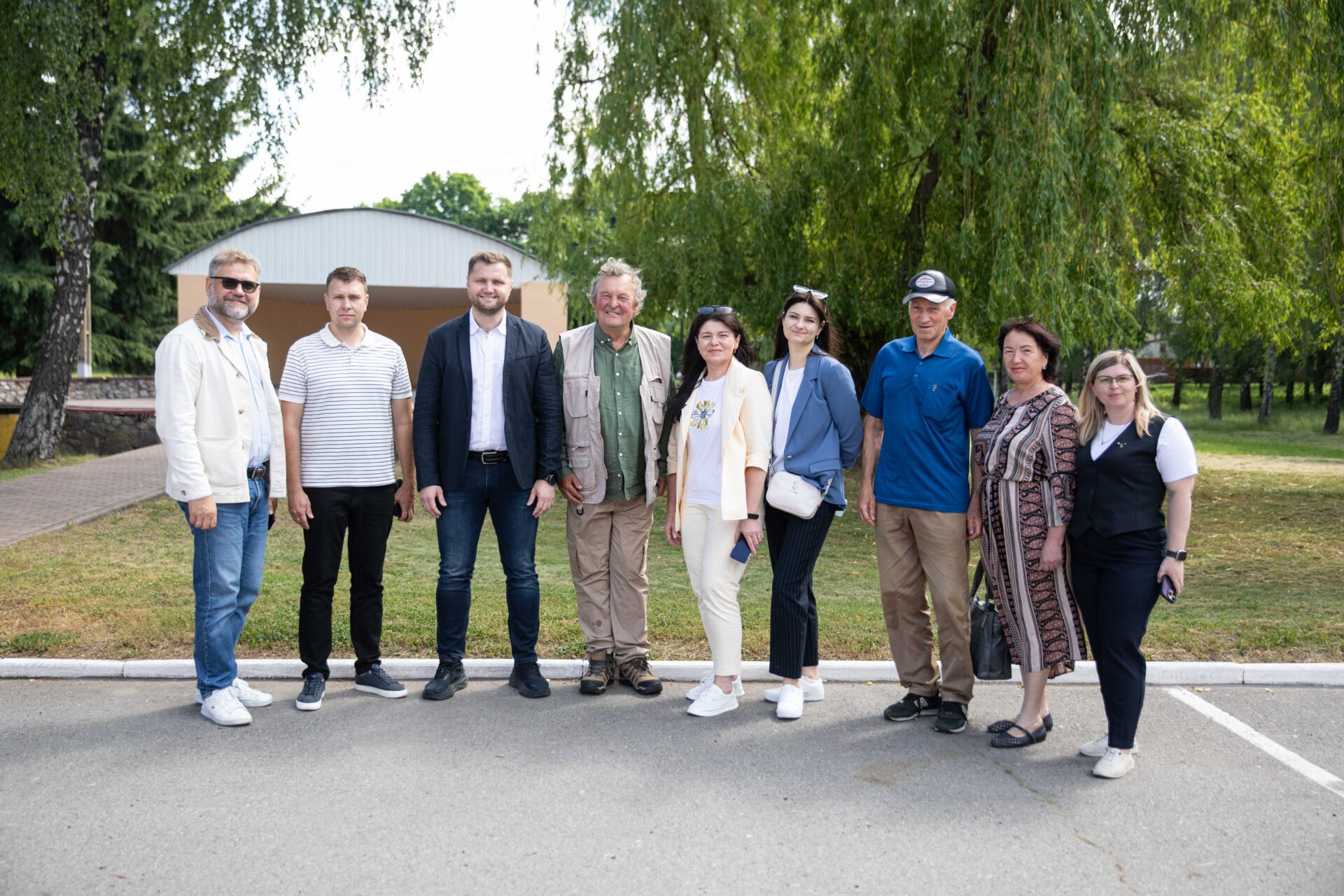
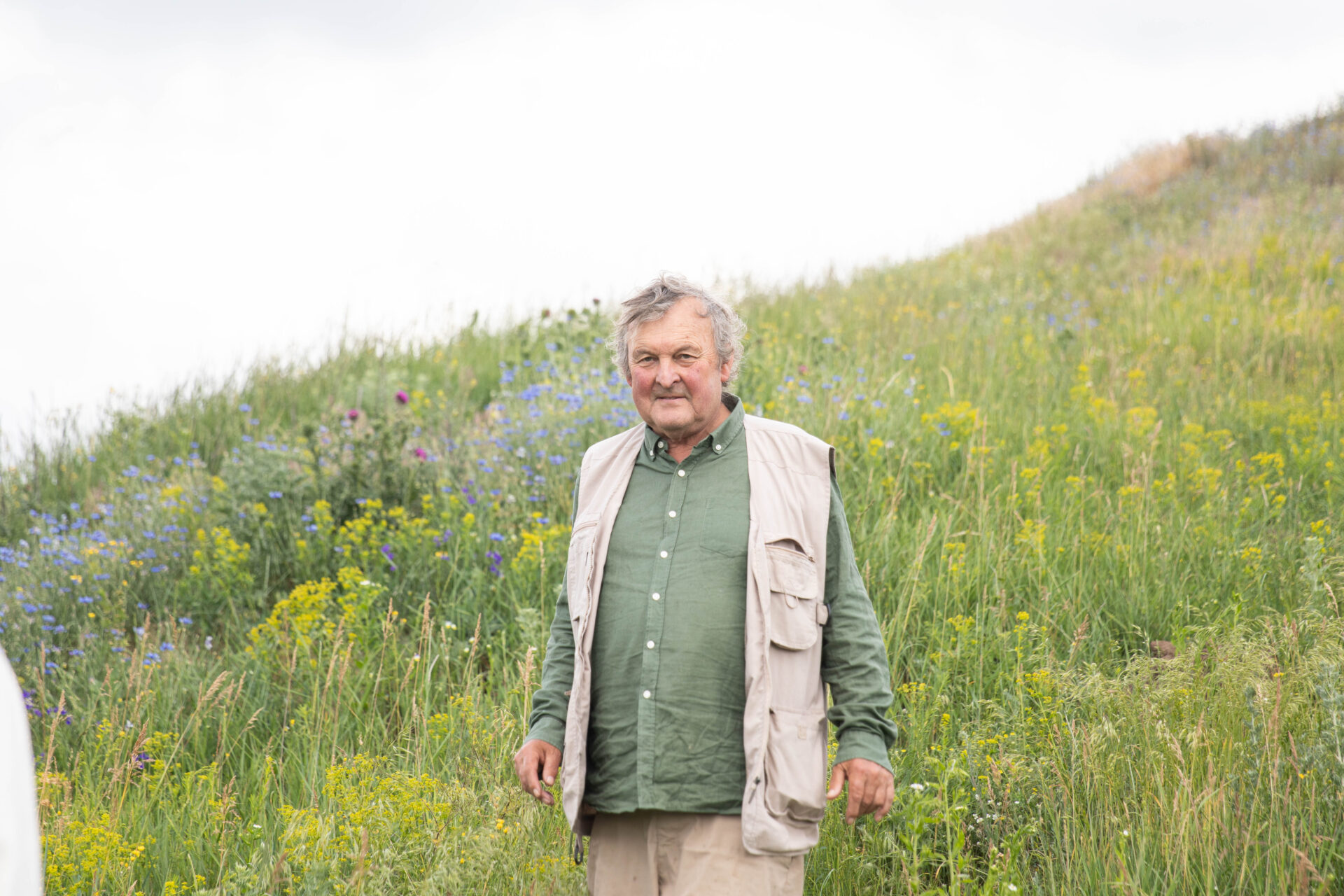
For an archaeologist, the Sumy region is neither a collection of monuments nor a page in a textbook. It is a living historical landscape in which different eras are layered one upon the other and can be interpreted through the landscape, the terrain and the traces of human activity. This is precisely how Professor Mark Horton, Vice-Chancellor for Research and Enterprise at the Royal Agricultural University, perceived the region during his visit to Sumy National Agrarian University.
A British academic shared two open lectures for students and academics at SNAU. The discussion centred on Ukraine’s historical ties with Europe and contemporary approaches to the restoration of land damaged by war. Particular emphasis was placed on an interdisciplinary approach, in which archaeology, ecology and agricultural technologies form a common basis for the restoration of these areas.
You can read more about this event in our previous article: ‘From the Vikings to Ukraine’s reconstruction: renowned archaeologist Mark Horton delivered two public lectures at SNAU’.
The visit took place as part of the international UK–UA Visiting Professors Programme (EDU CONNECT), implemented by the Presidential Foundation of Ukraine for the Support of Education, Science and Sport in collaboration with the UK–Ukraine Academic Diaspora Network, JSC ‘Ukrgasbank’ (UGB) and the ‘MHP-Hromadi’ Charitable Foundation. The programme brings together Ukrainian and international institutions around a common goal – to develop academic cooperation, strengthen scientific partnerships and integrate Ukrainian universities into the global educational landscape.
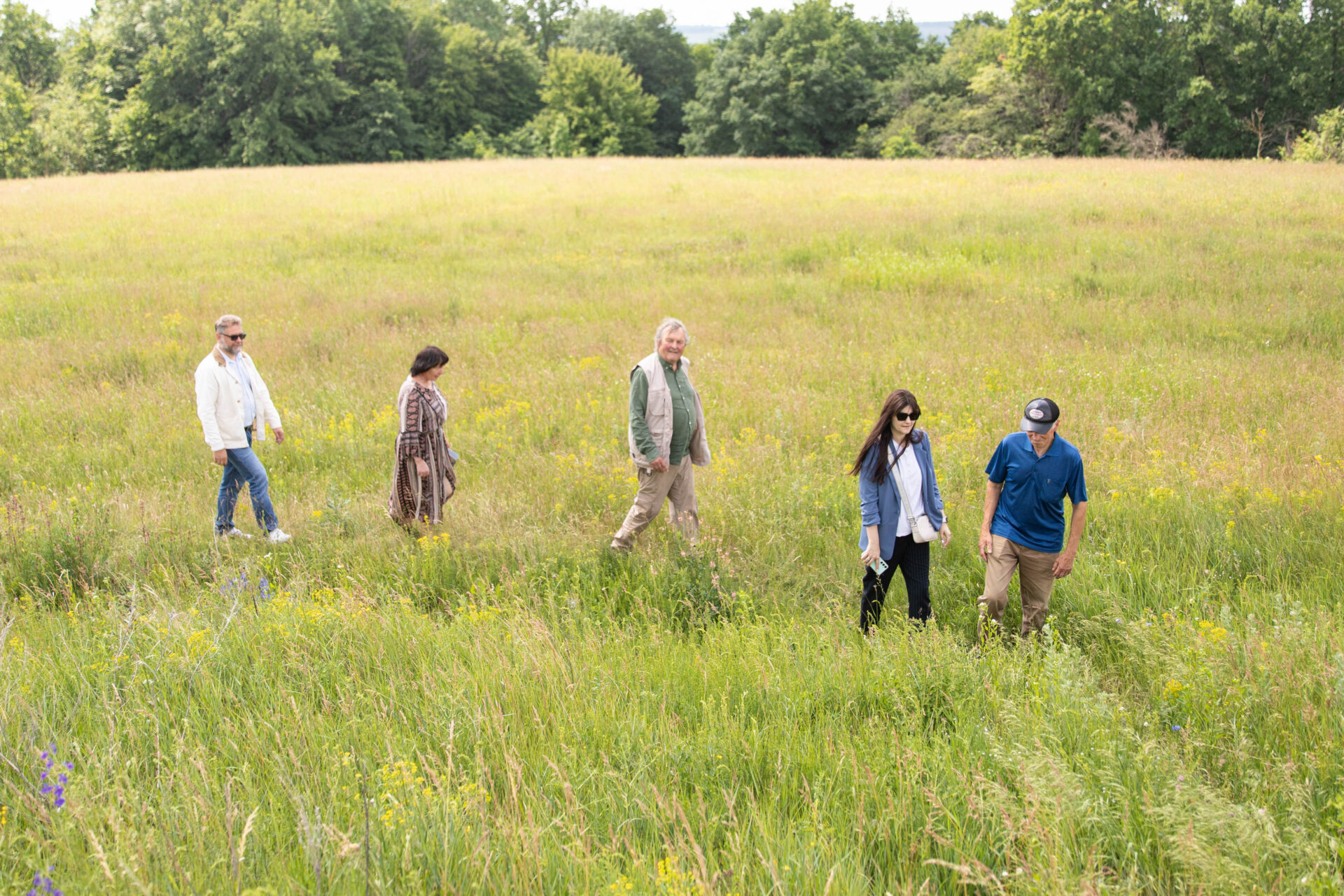
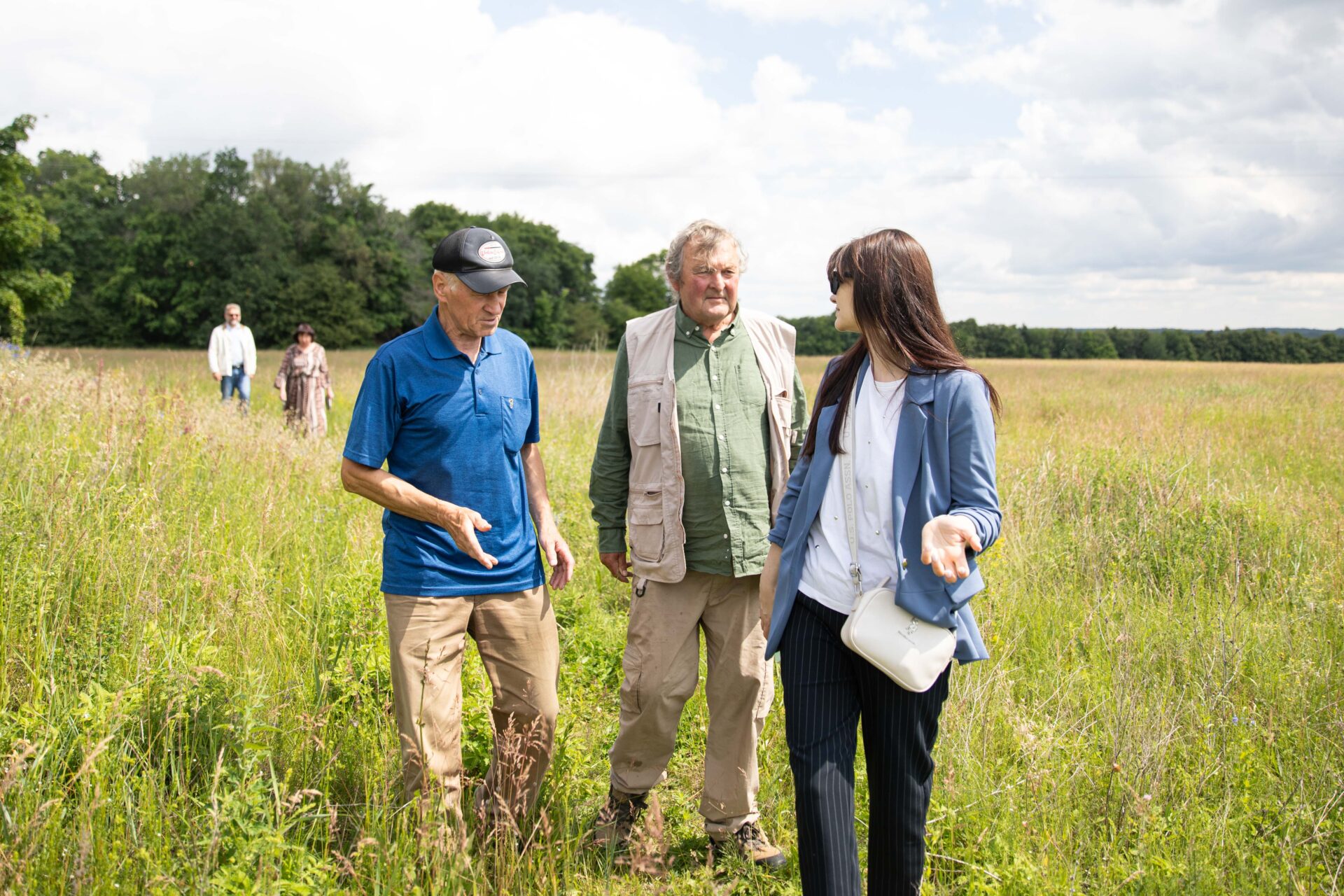
However, the true research dimension of the visit unfolded beyond the lecture – out in the field, where archaeology engages directly with the landscape and history.
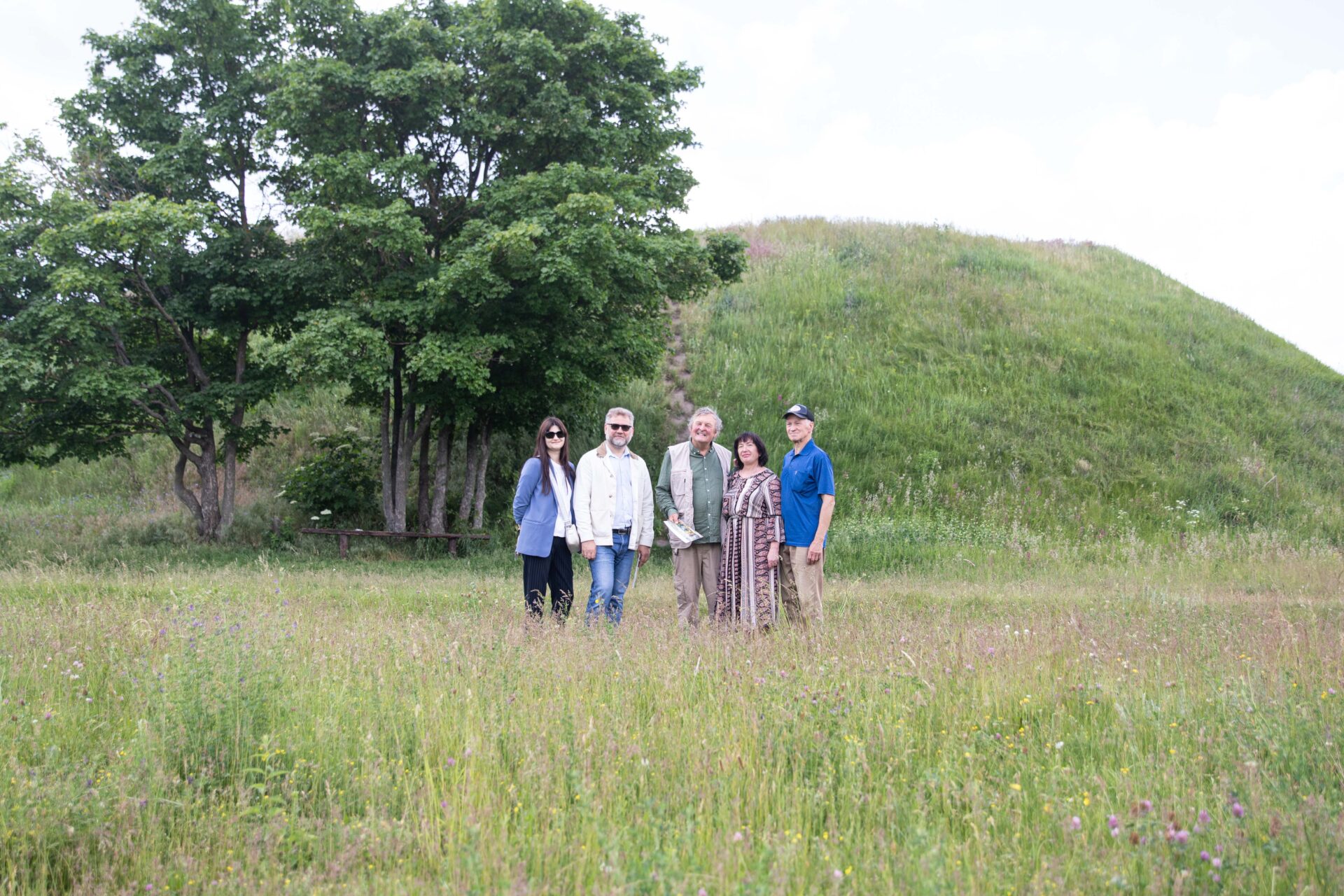
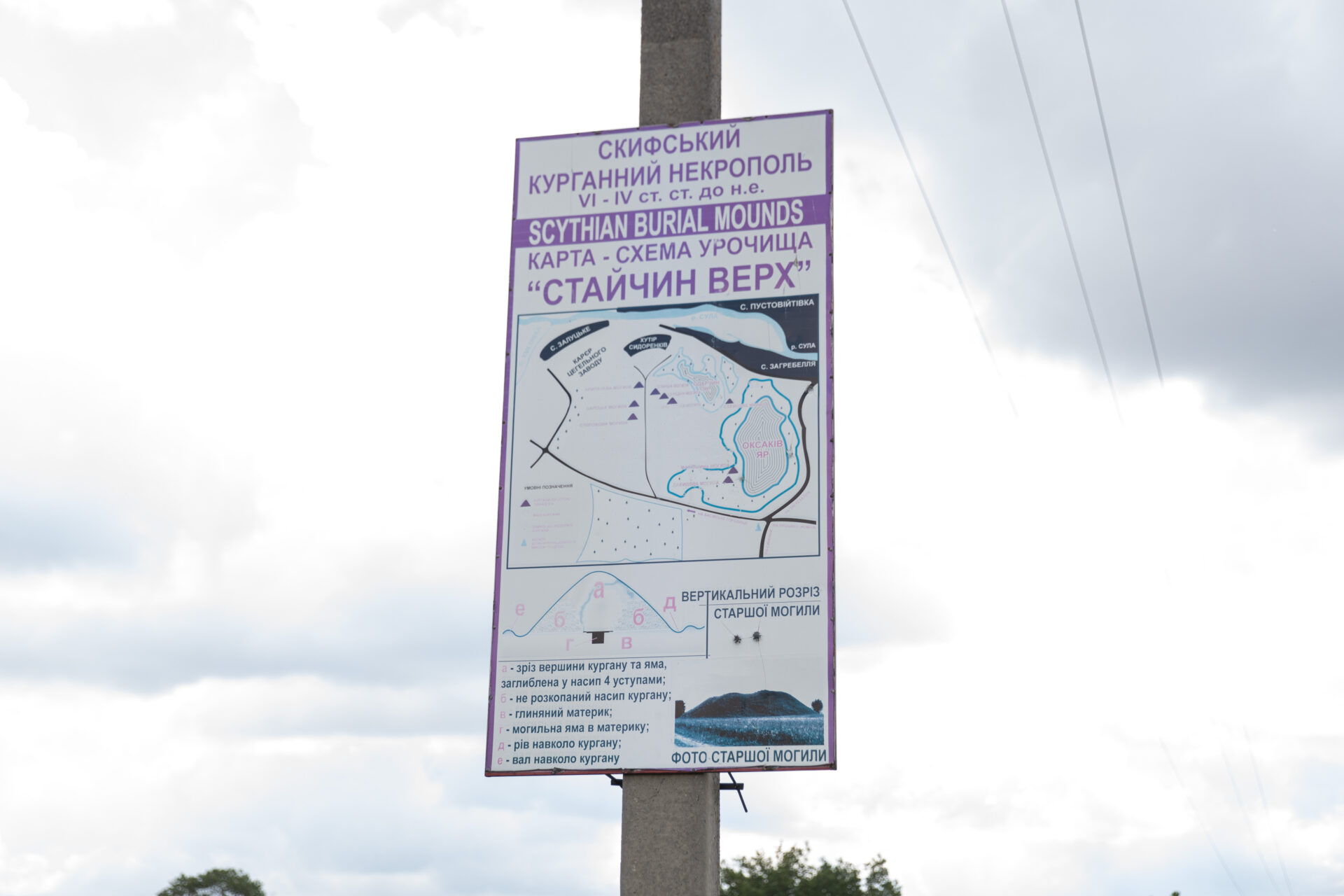
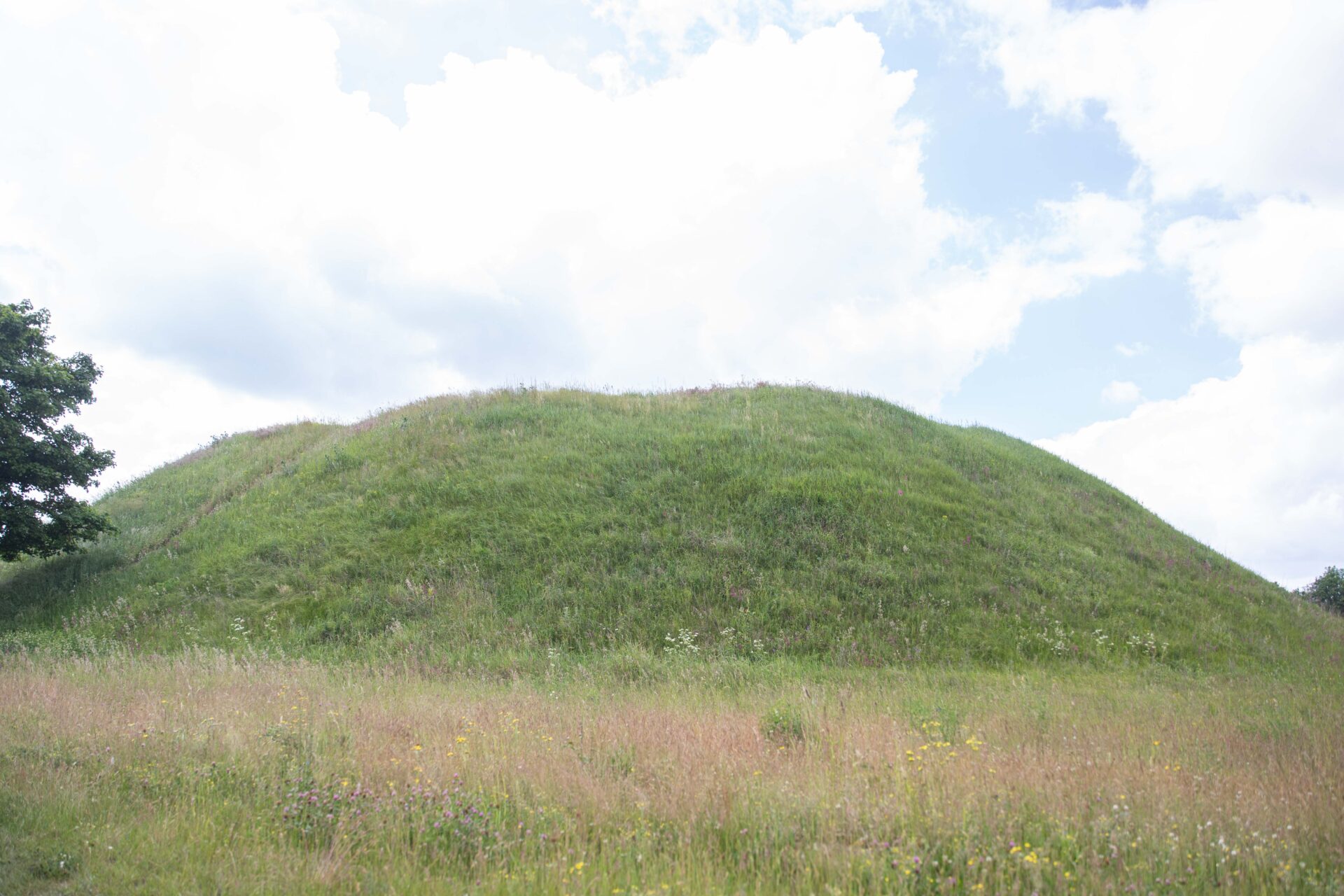
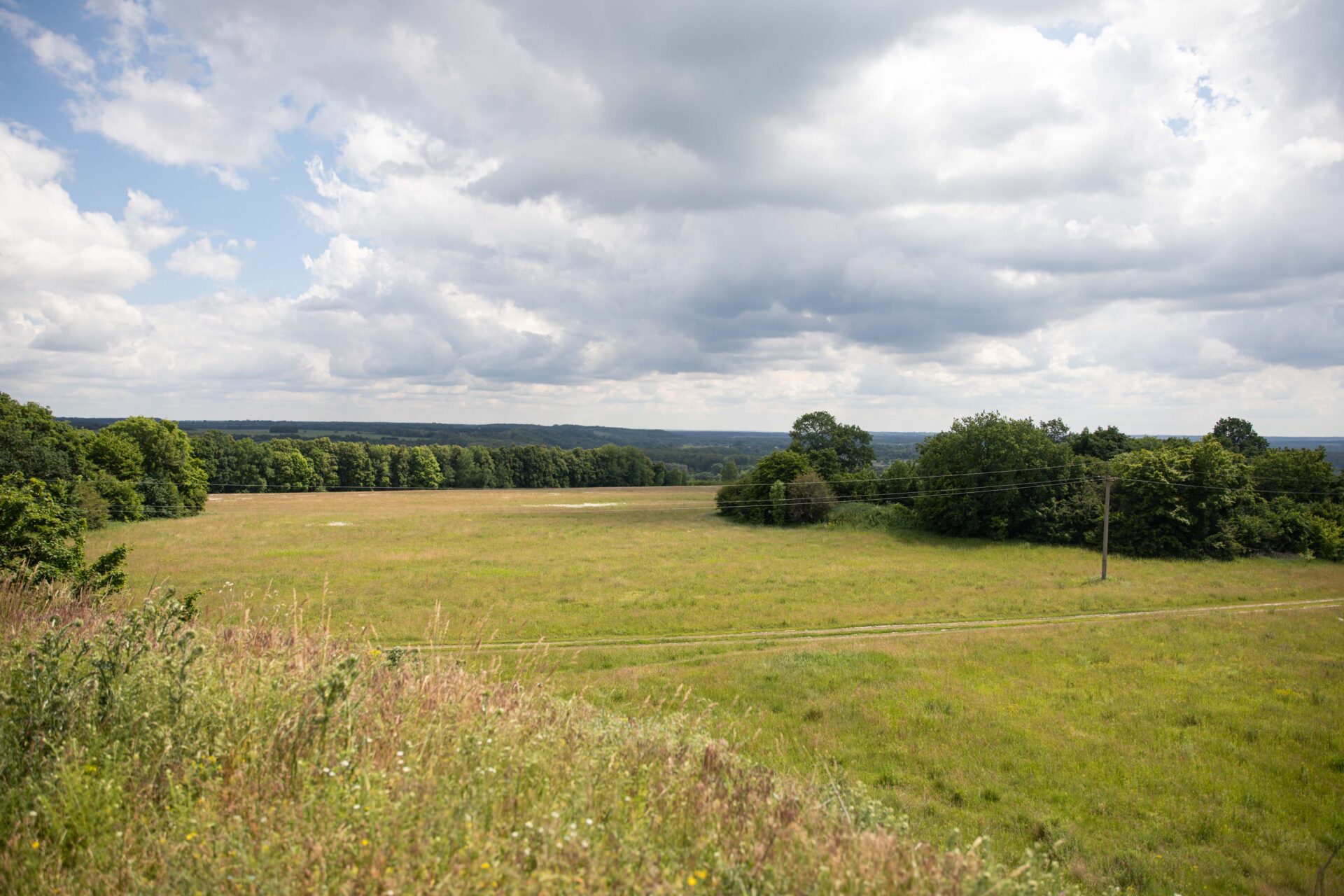
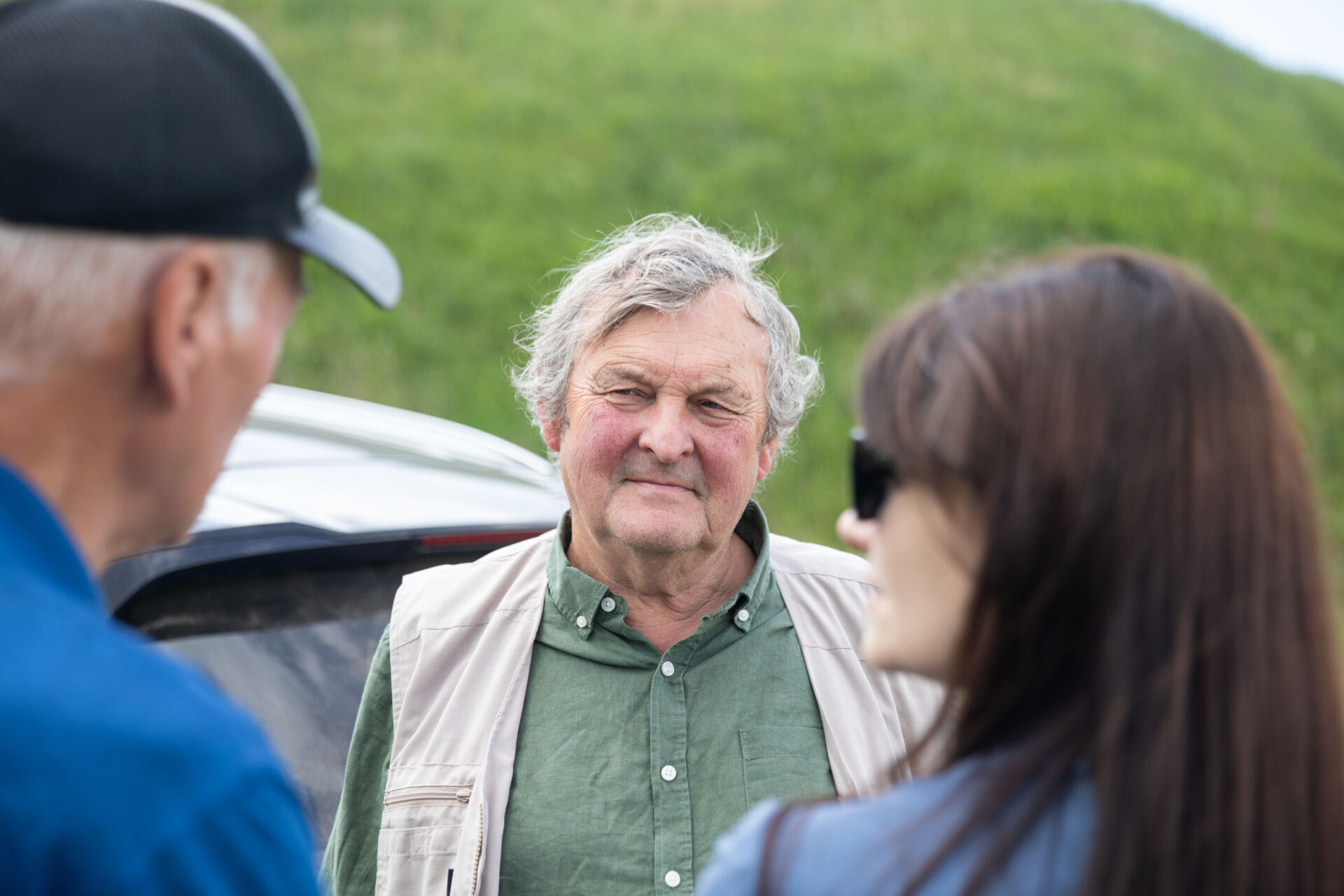
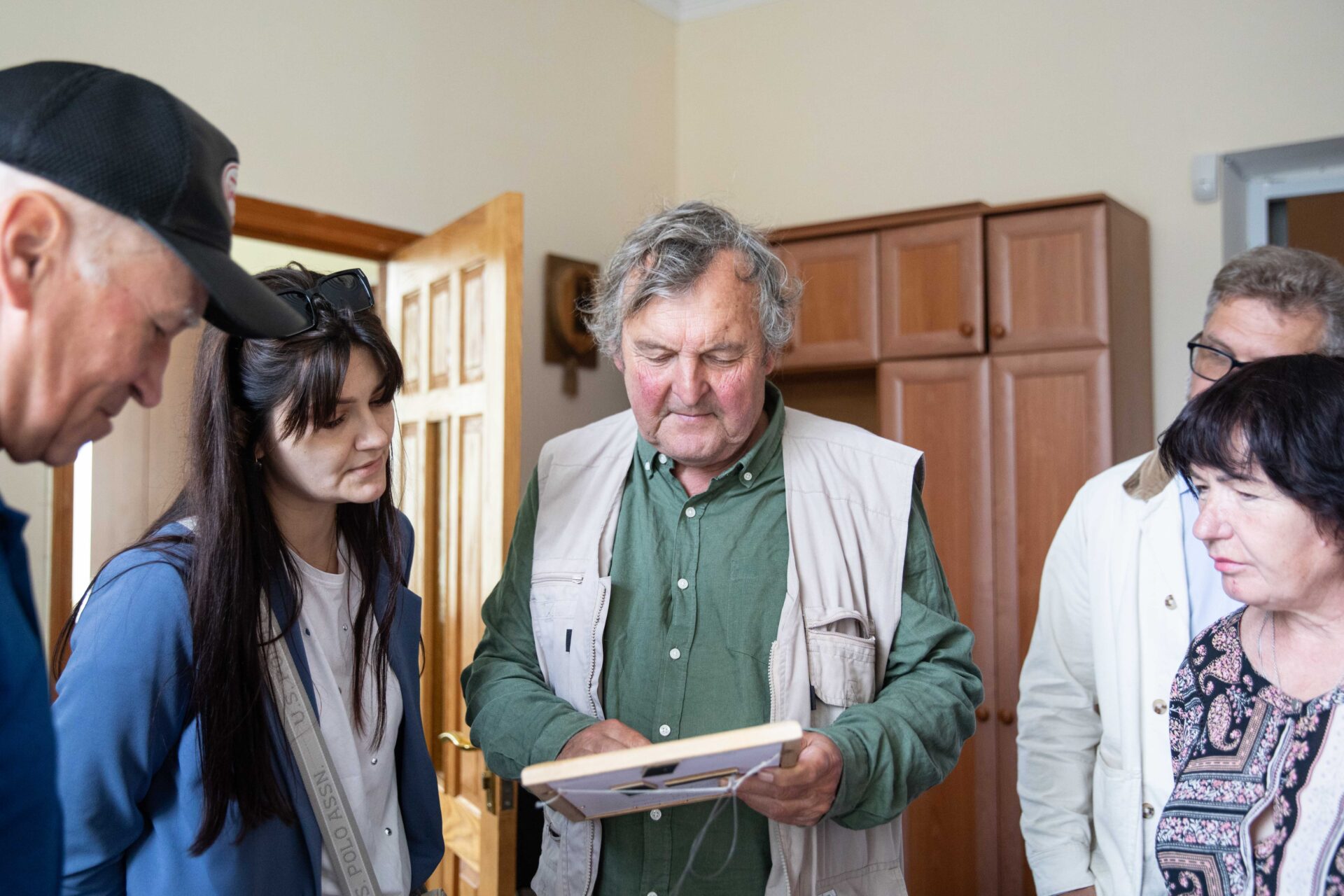
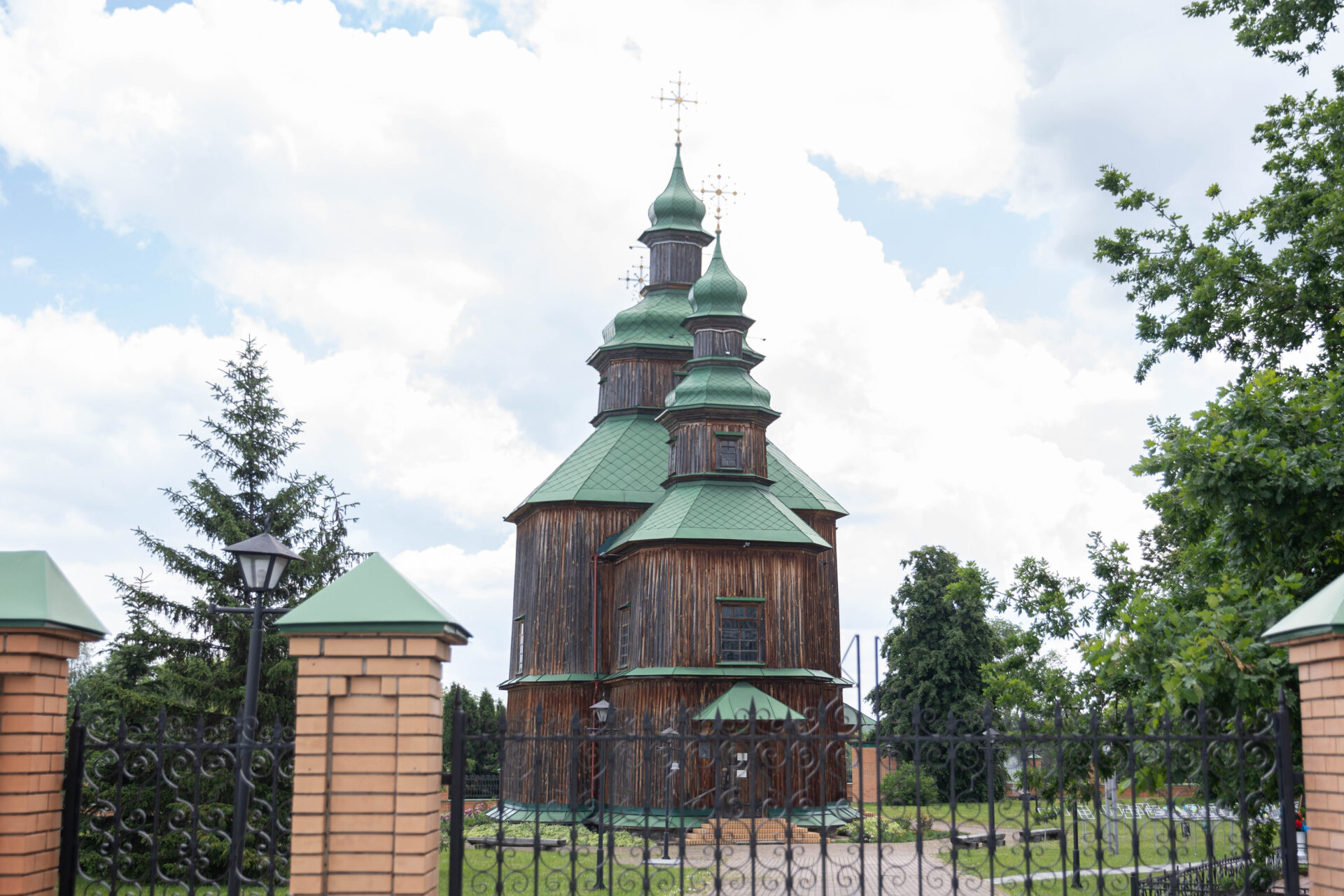
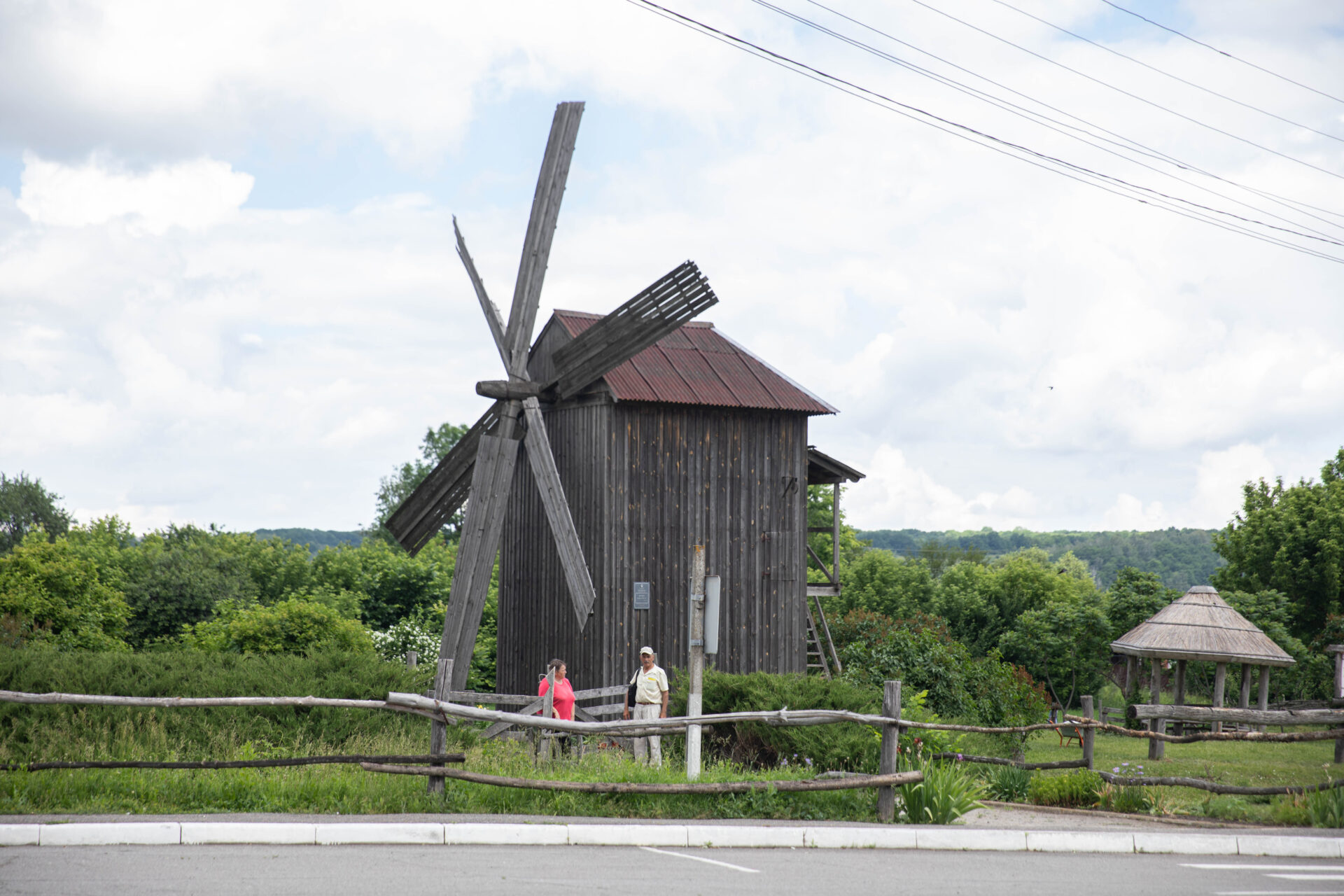
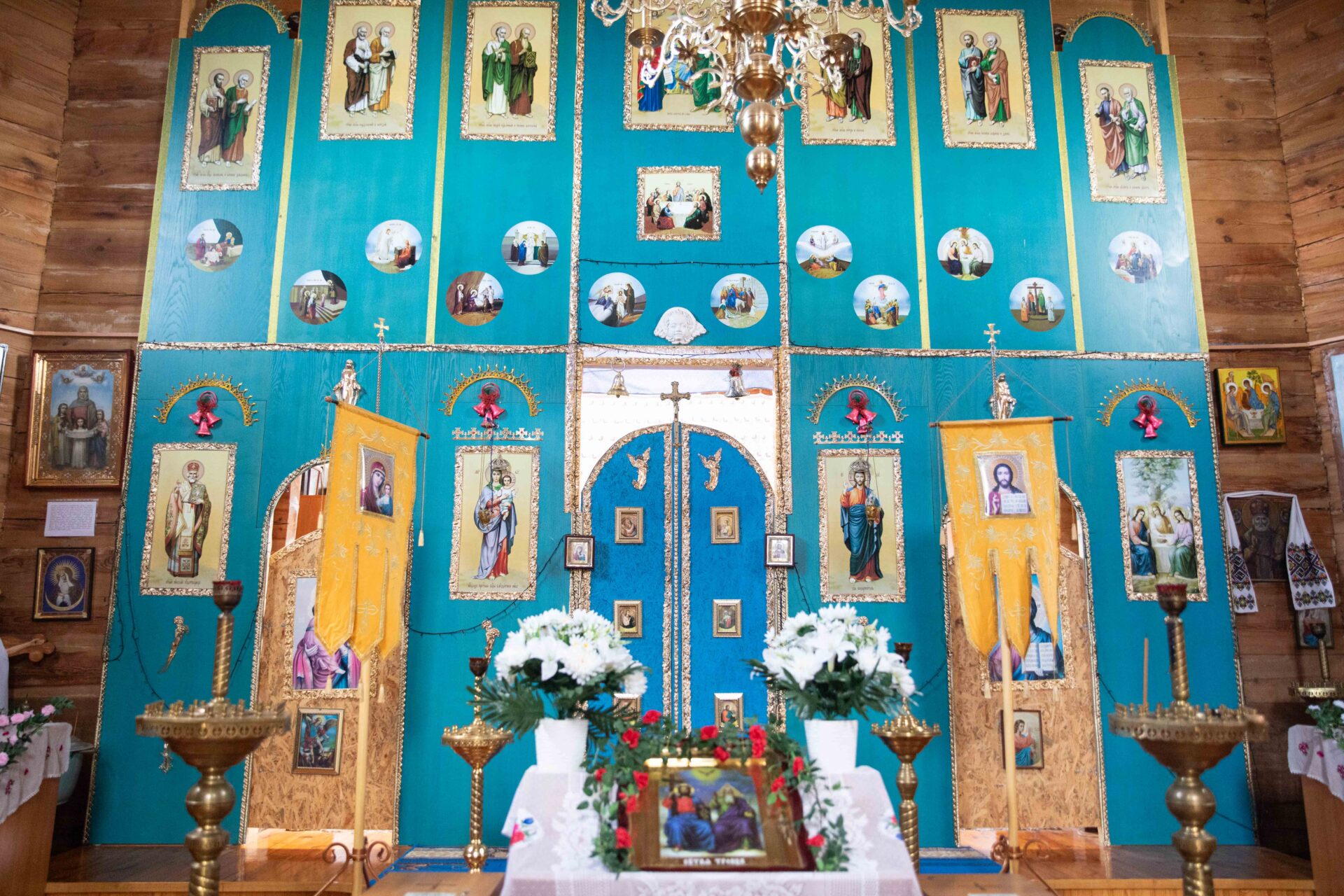
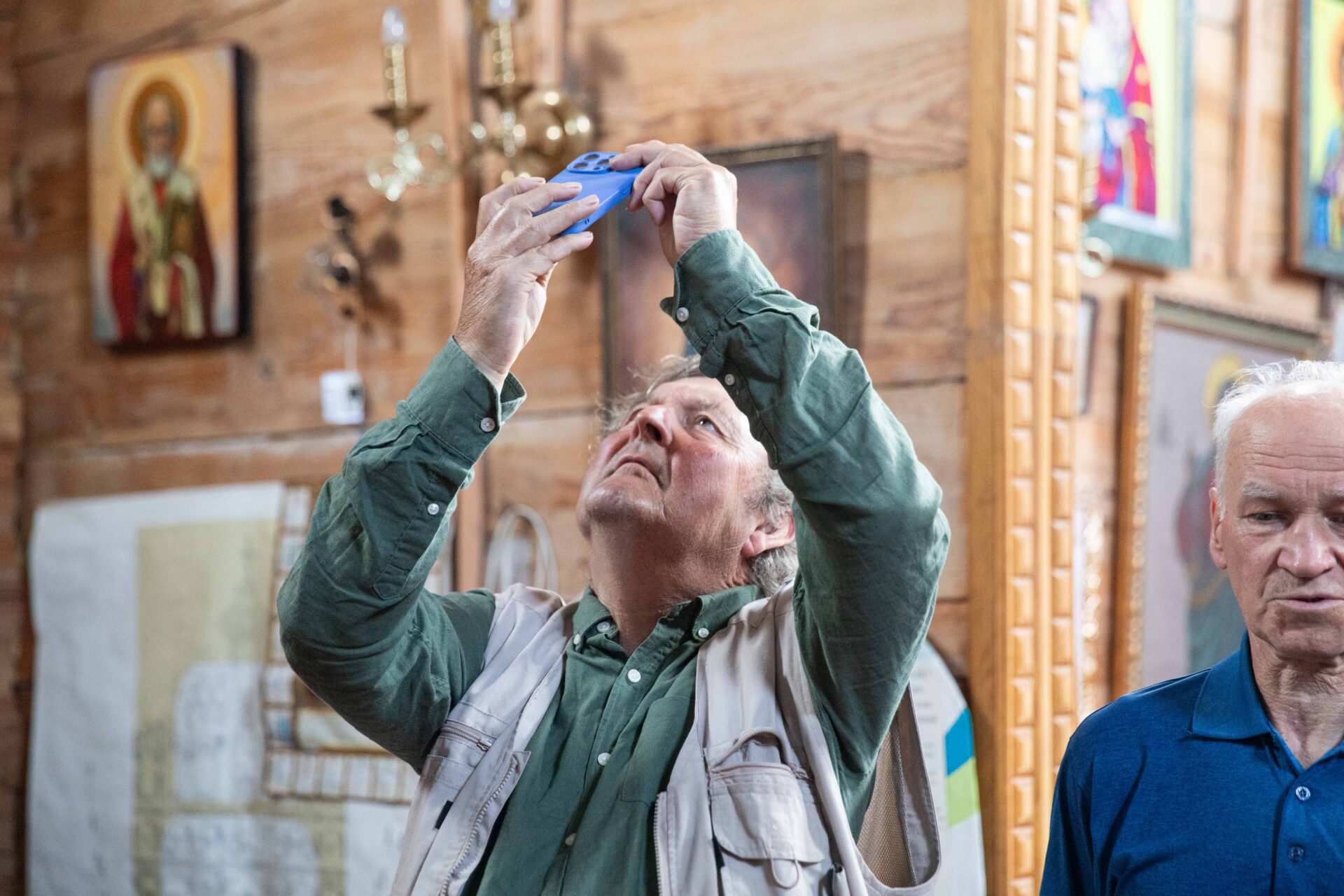
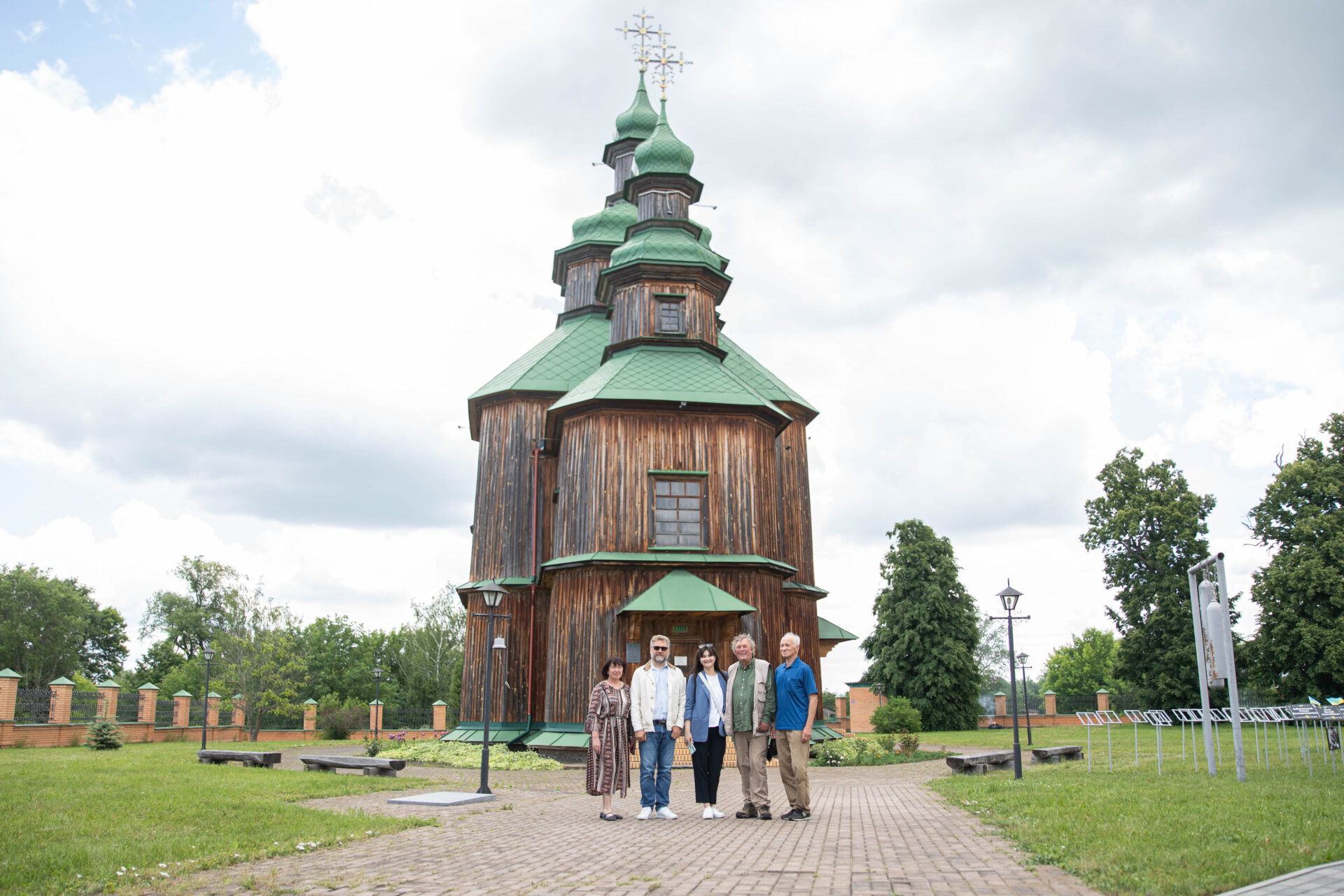
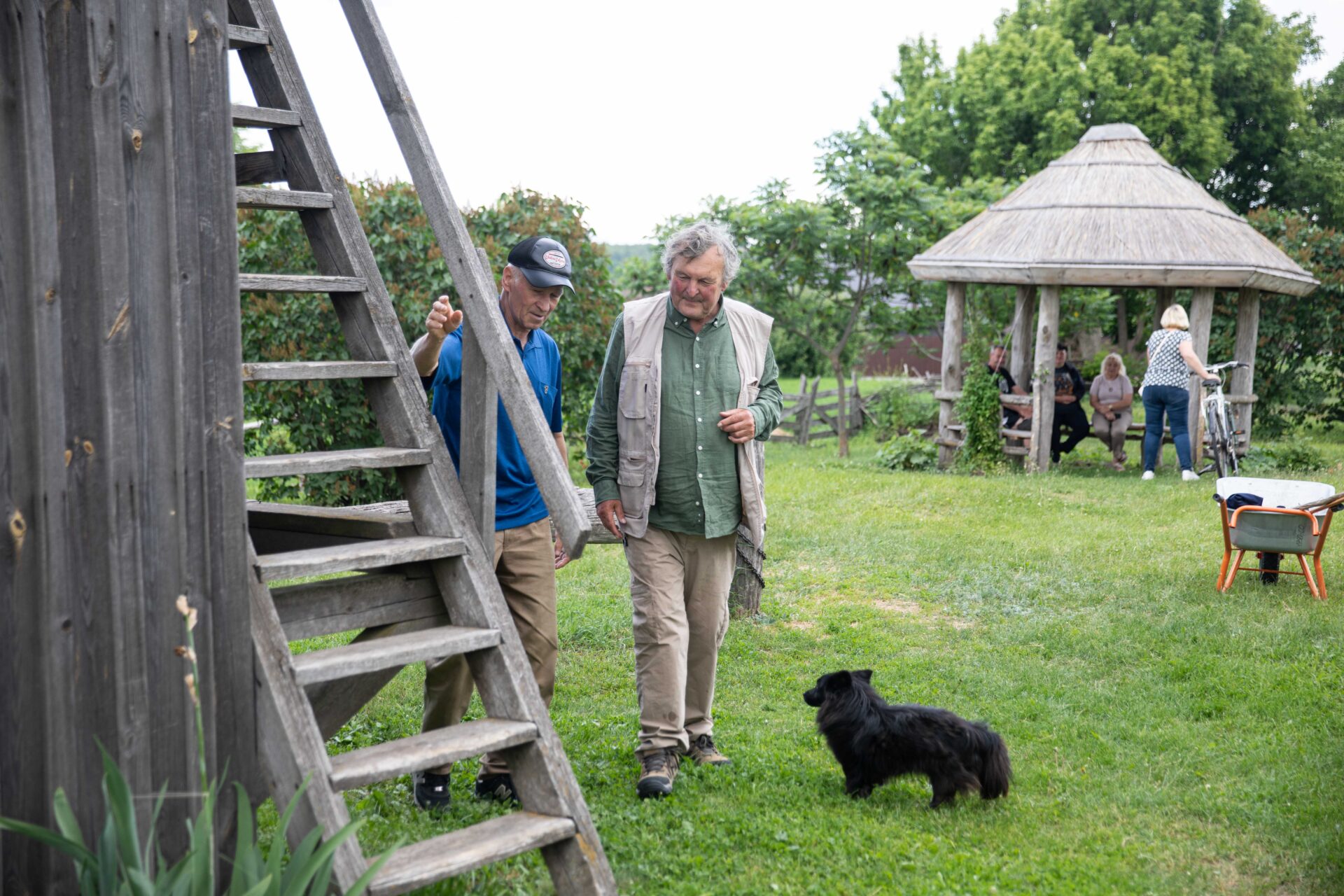
As part of his tour of the Sumy region, Professor Mark Horton visited unique historical and cultural sites in the Romny district – the Posulskyi burial mounds and the Petro Kalnyshevsky Museum in the village of Pustovoytivka, the birthplace of the last koshovyi ataman of the Zaporizhzhia Sich.
He regarded the Posul burial mounds as part of the region’s ancient cultural landscape, linked to the centuries-long history of settlement in Posul, the formation of local communities, land-use traditions, burial customs and human interaction with the natural environment. In this context, they are not seen as isolated monuments, but as elements of a single historical and archaeological space.
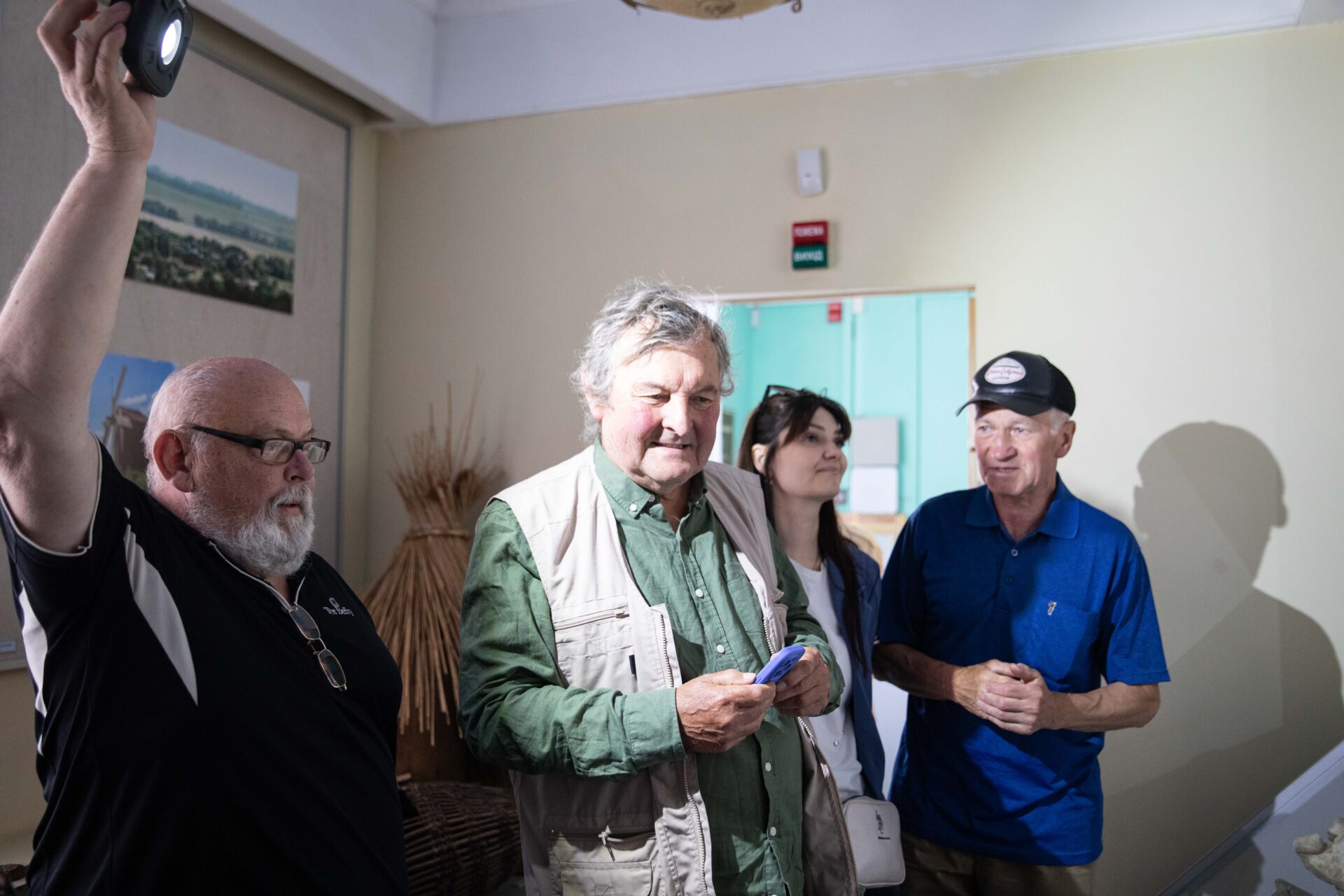
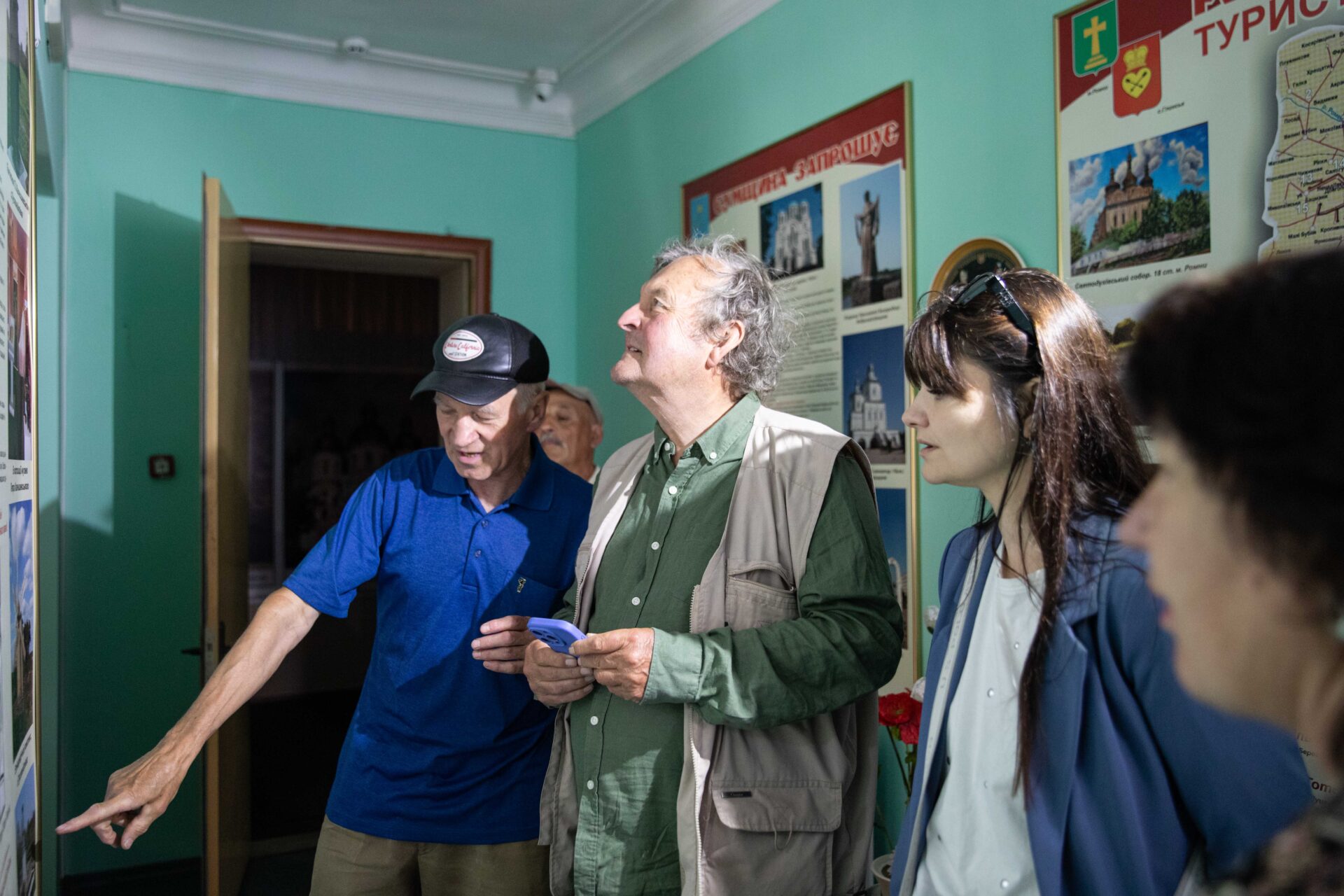
Particular attention was paid to the Petro Kalnyshevsky Museum. For the British archaeologist, this provided an opportunity to delve deeper into Ukraine’s historical experience and to trace the role of the Cossack heritage in shaping national identity, as well as the significance of local history for modern Ukraine.
For Professor Mark Houghton, this trip was of clear academic interest. As a researcher in archaeology and cultural heritage, he explores historical processes through field observations, the analysis of cultural landscapes and methods of preserving historical memory.
The visit also highlighted the importance of an interdisciplinary approach in international academic cooperation. For Sumy National Agrarian University, which is developing a partnership with the Royal Agricultural University, such meetings are not only an academic exchange but also an opportunity to present the Sumy region as an area with profound historical and cultural potential and prospects for joint research.