After shelling, fields retain visible traces—craters and damaged soil. But the real changes occur deeper down and are not always visible from the surface.
Exactly how these changes penetrate the soil and how they affect its condition in the long term was investigated by Ukrainian and British scientists as part of an international project at Sumy National Agrarian University titled “UK/Ukraine: Recovery and Remediation of War-Polluted Soils.”
The project ran from June 2025 to June 2026 in partnership with the Royal Agricultural University (RAU) in the United Kingdom. Funding was provided by the UK government through the Department for Environment, Food, and Rural Affairs (DEFRA) as part of joint Ukrainian-British programs for environmental and agricultural system restoration. The total budget was 650,000 pounds sterling (approximately 37 million UAH).
Cooperation between SNAU and RAU is not limited to this project—it has been ongoing since 2022 and covers several areas of soil research and restoration.
In these studies, war is considered a factor that alters soil structure.
Scientists are analyzing the content of heavy metals—lead, cadmium, zinc, and other potentially hazardous elements. These indicators are key to assessing the level of soil contamination. Changes in the physicochemical properties of chernozems caused by explosions and combat operations are being studied separately. The samples undergo spectrometric and chemical analysis, after which the data are compiled into a single research database.
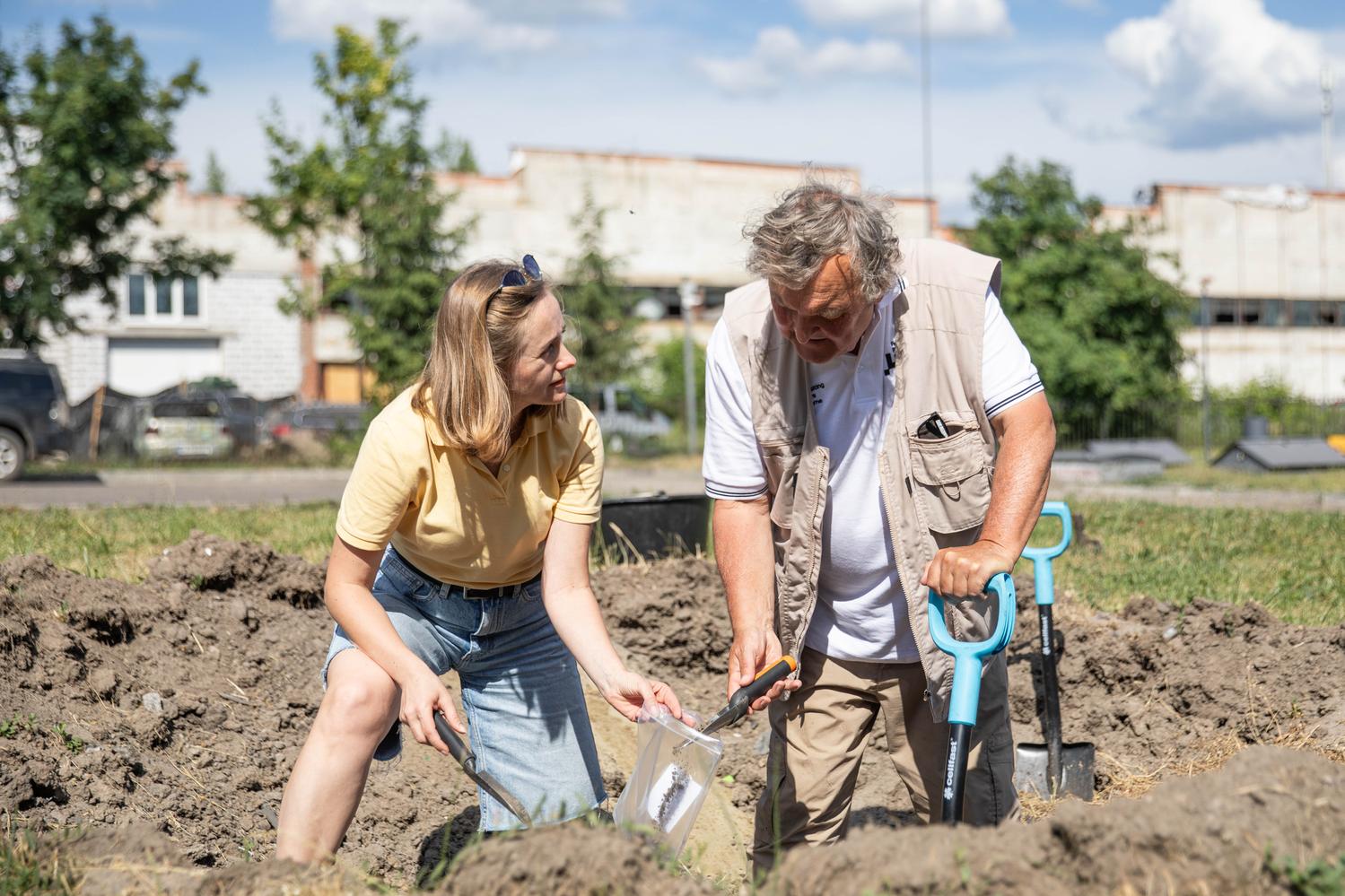
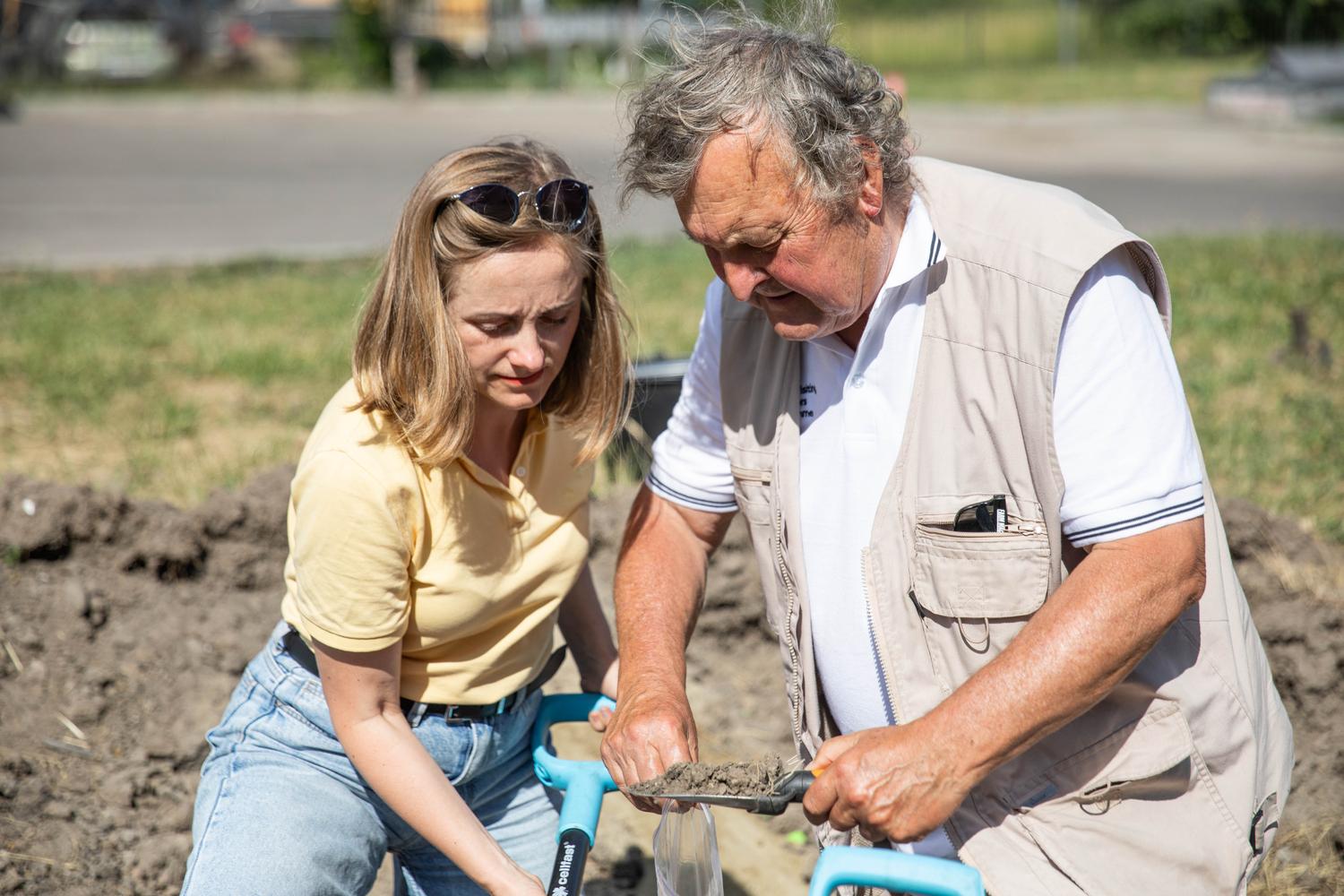
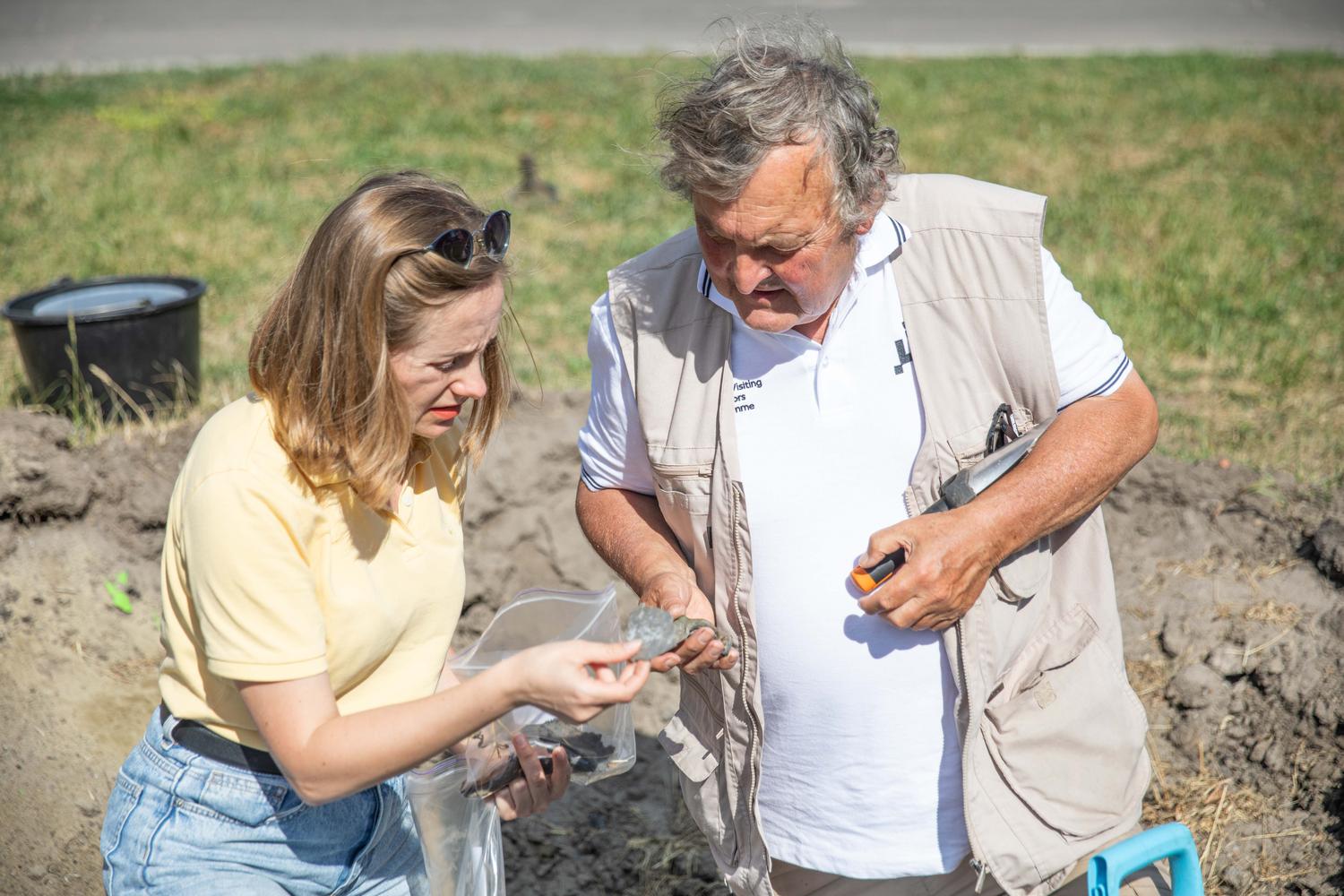
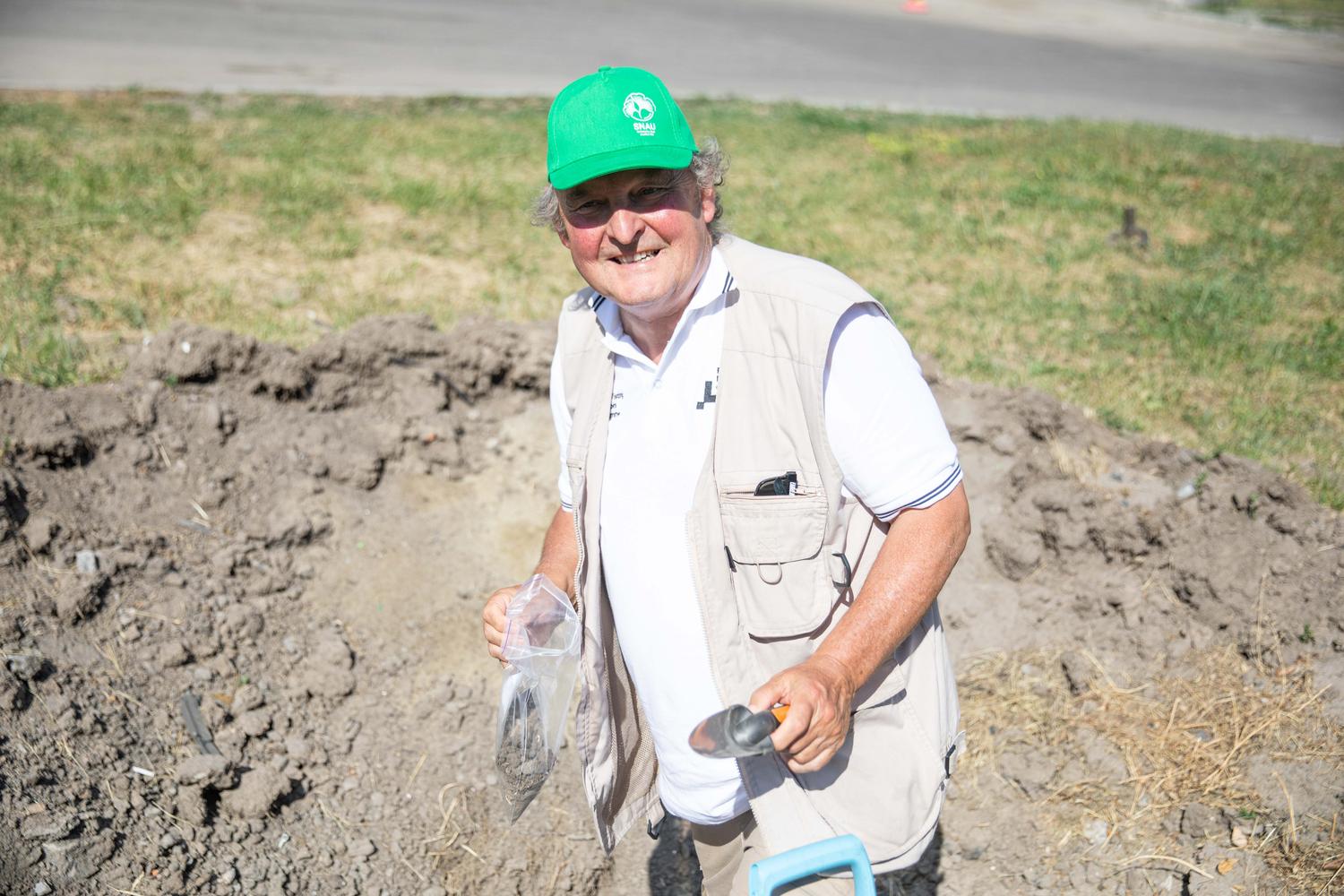
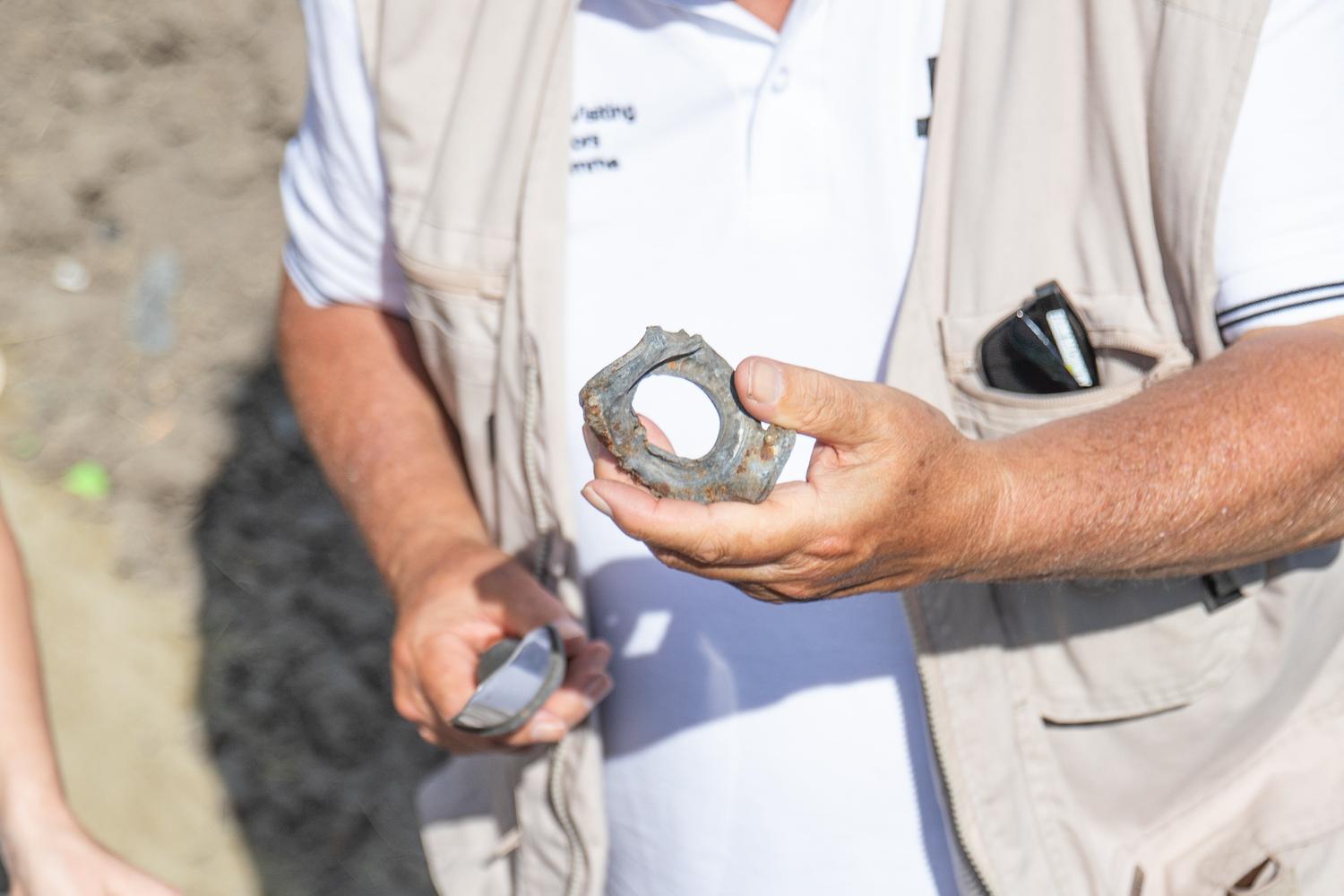
This time, RAU Vice Rector Professor Mark Horton joined the fieldwork in the Sumy region. Together with Olena Melnyk, a researcher at SNAU and a scientist at the Bern University of Applied Sciences, he worked in the vicinity of Sumy—in areas where the effects of explosions are still clearly visible: craters, disturbed terrain, and altered soil cover.
It is precisely these sites that allow researchers to observe the soil not in theory, but in its actual condition following explosive events. Here, the scientists collected samples from various depths to track how these changes penetrate the soil profile and how far they extend.
Each sample collected becomes part of a comprehensive map of changes in Ukrainian soils that researchers are compiling.
Today, the project’s database contains over 8,400 soil samples from the five most affected regions of Ukraine. This allows researchers not only to document the consequences but also to compare indicators across regions and track how soil conditions change depending on the intensity of combat operations.
At the same time, a meeting with young scientists took place at the SNAU Center for Shared Use of Scientific Equipment and the university’s laboratories. They discussed the role of science in documenting the war’s environmental impacts and in establishing an evidence base for future restoration efforts.
The discussion centered on the fact that Ukrainian soils cannot be assessed superficially in the aftermath of the war. Systematic monitoring, geoinformation mapping, and cross-regional data comparisons are needed. Particular emphasis was placed on the need for large-scale soil screening using both field methods and satellite remote sensing.
The participants also drew attention to the informational aspect of the research. The claim that Ukrainian lands have “lost their fertility” is often heard in public discourse. However, the data paint a more complex picture: while some areas have indeed been affected, significant tracts of land remain productive. It is precisely scientific data that allow us to form an objective understanding of the actual state of the soils.
In a conversation with young researchers, Mark Horton and Olena Melnyk discussed the transition from documenting the consequences of the war to restoration. The focus was on monitoring technologies, geographic information systems, and nature-based approaches to remediation.
The ultimate goal of the project is not only to document the consequences of the war but also to propose practical solutions for restoring the land and returning it to safe and productive agricultural use.