Throughout July, female researchers from Sumy National Agrarian University presented their research at two international conferences on plant biology and ecology—in Berlin (Germany) and Prague (Czech Republic). The focus was on forests, their natural regeneration, biodiversity, and the ability of ecosystems to remain resilient in the face of modern environmental challenges.
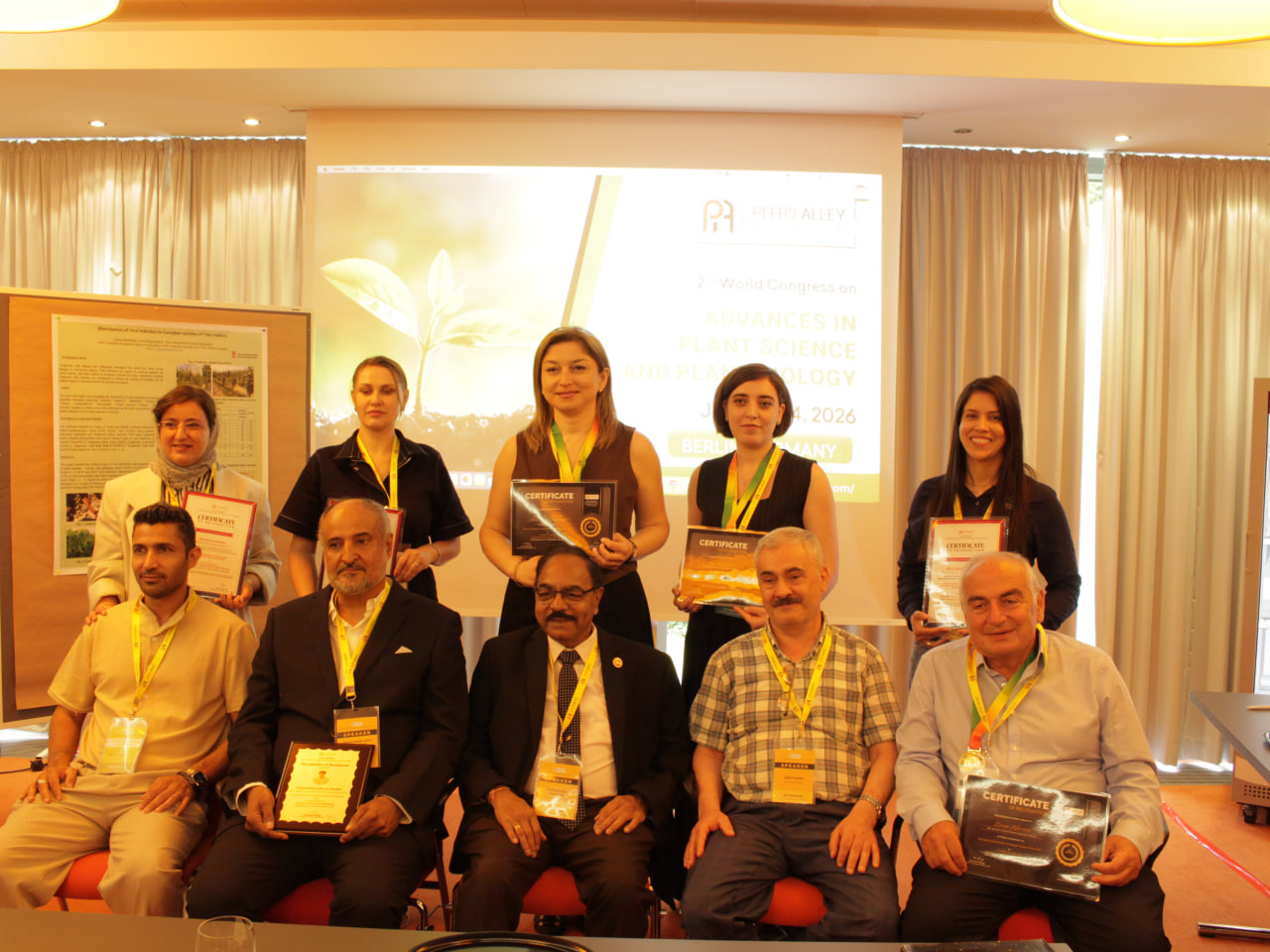
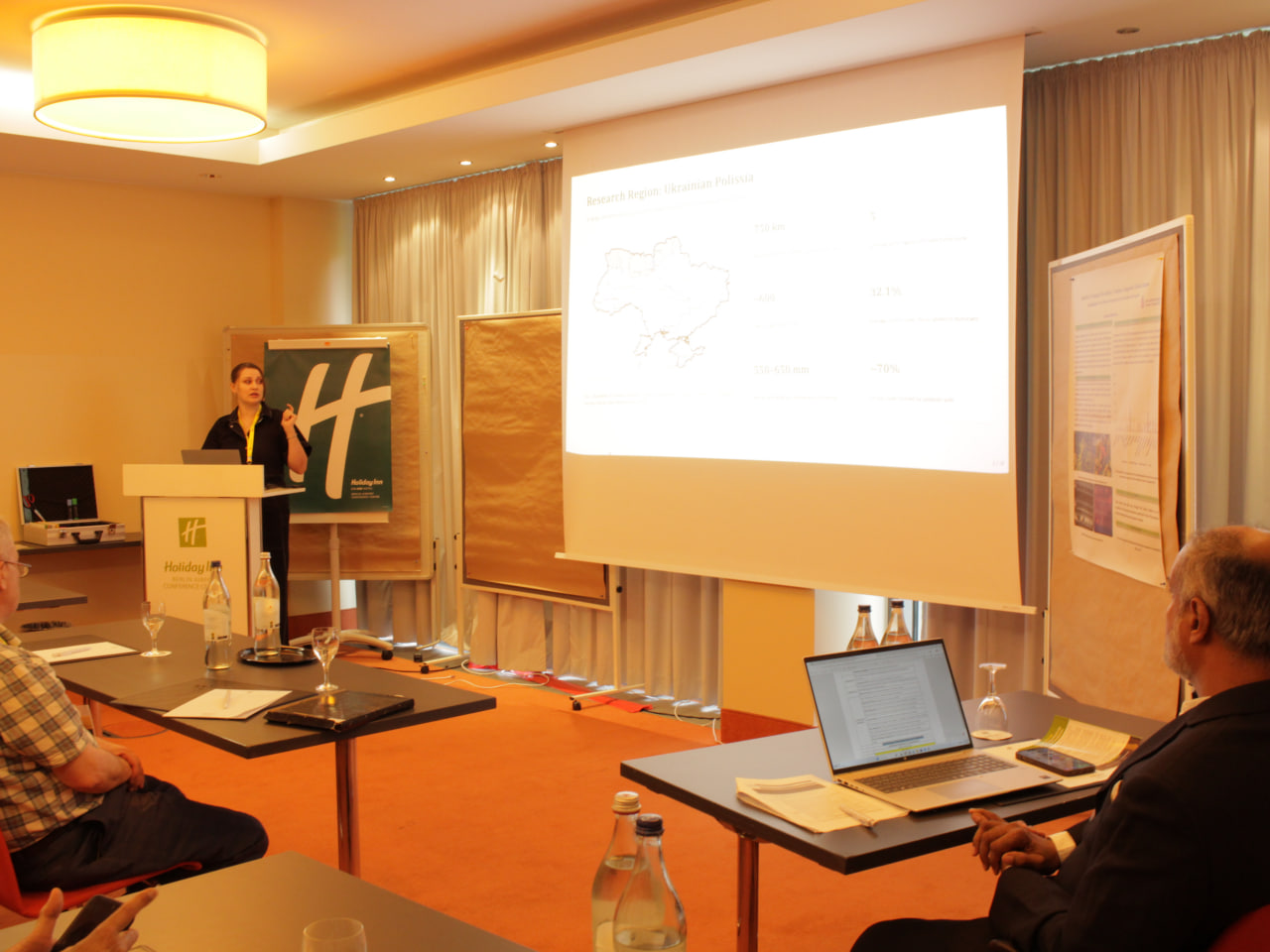
On July 13–14, the Second World Congress “Advances in Plant Science and Plant Biology 2026” took place in Berlin. SNU was represented at the event by Marina Sherstiuk, Ph.D. in Biology and Associate Professor in the Department of Horticulture and Forestry; Viktoria Skliar, Ph.D. in Biology and Professor in the Department of Ecology and Botany; and Nataliia Yaroshenko, Ph.D. and Senior Lecturer in the Department of Ecology and Botany.
The researchers studied Ukraine’s forest ecosystems and demonstrated how a comprehensive analysis can provide a better understanding of the condition of forests, changes in their biodiversity, and the processes that help ecosystems recover. Marina Sherstiuk’s presentation of the research findings and proposed approaches was discussed as a potential tool for monitoring the condition of forests, forecasting changes, and developing solutions for their conservation.
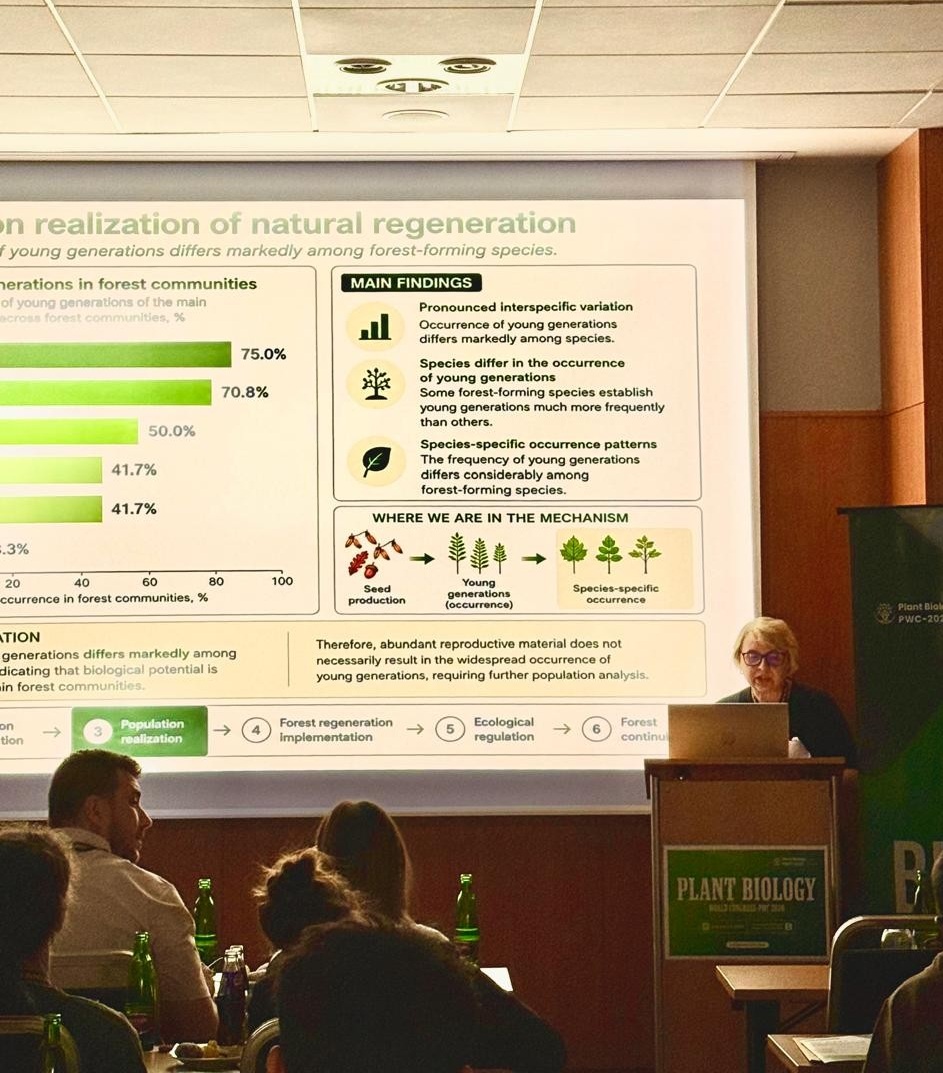
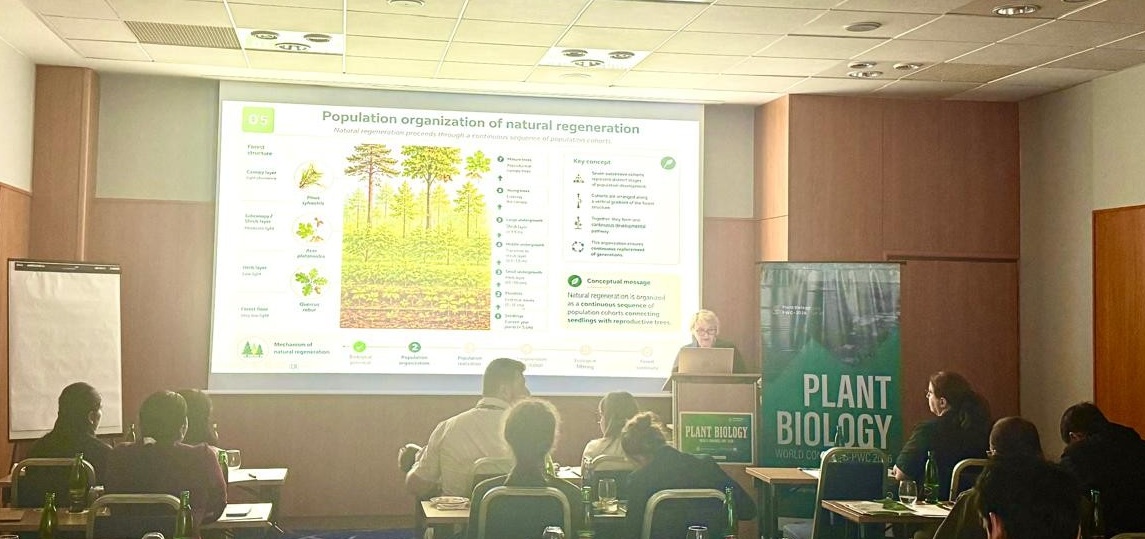
On July 24–25, the results of the SNAU research were presented in Prague at the Plant Biology World Congress (PWC-2026). The congress brought together scientists working in plant biology, ecology, biotechnology, nature conservation, and sustainable development. A separate section of the program was dedicated to forest biology and conservation.
Victoria Skliar, a professor in the Department of Ecology and Botany, presented a study on the natural regeneration of forest ecosystems. The researcher examined natural regeneration as one of the key processes through which a forest can maintain its resilience and continue to function. This topic is particularly relevant in the context of climate change, the increasing human impact on the environment, and the need to preserve biodiversity. Understanding exactly how forests regenerate and develop helps identify more effective ways to conserve and restore them. The researcher’s presentation at the congress received strong support from international colleagues from Germany, France, the United States, Poland, Italy, and Nigeria.
Two international trips—and a common outcome: SNAU’s research is being recognized and discussed beyond Ukraine’s borders. For the university, this is important not only as professional recognition of our researchers’ work. International forums provide an opportunity to showcase what Ukrainian researchers are working on, hear the opinions of colleagues from other countries, and find new opportunities for scientific collaboration.
Most importantly, these are studies with a very practical dimension. Healthy forests, preserved biodiversity, and the ability of natural ecosystems to regenerate—these are issues that shape the future of Ukraine’s environment. This is precisely how SNAU’s research extends beyond university laboratories and becomes part of the international conversation on how to preserve nature today and make it more resilient tomorrow.