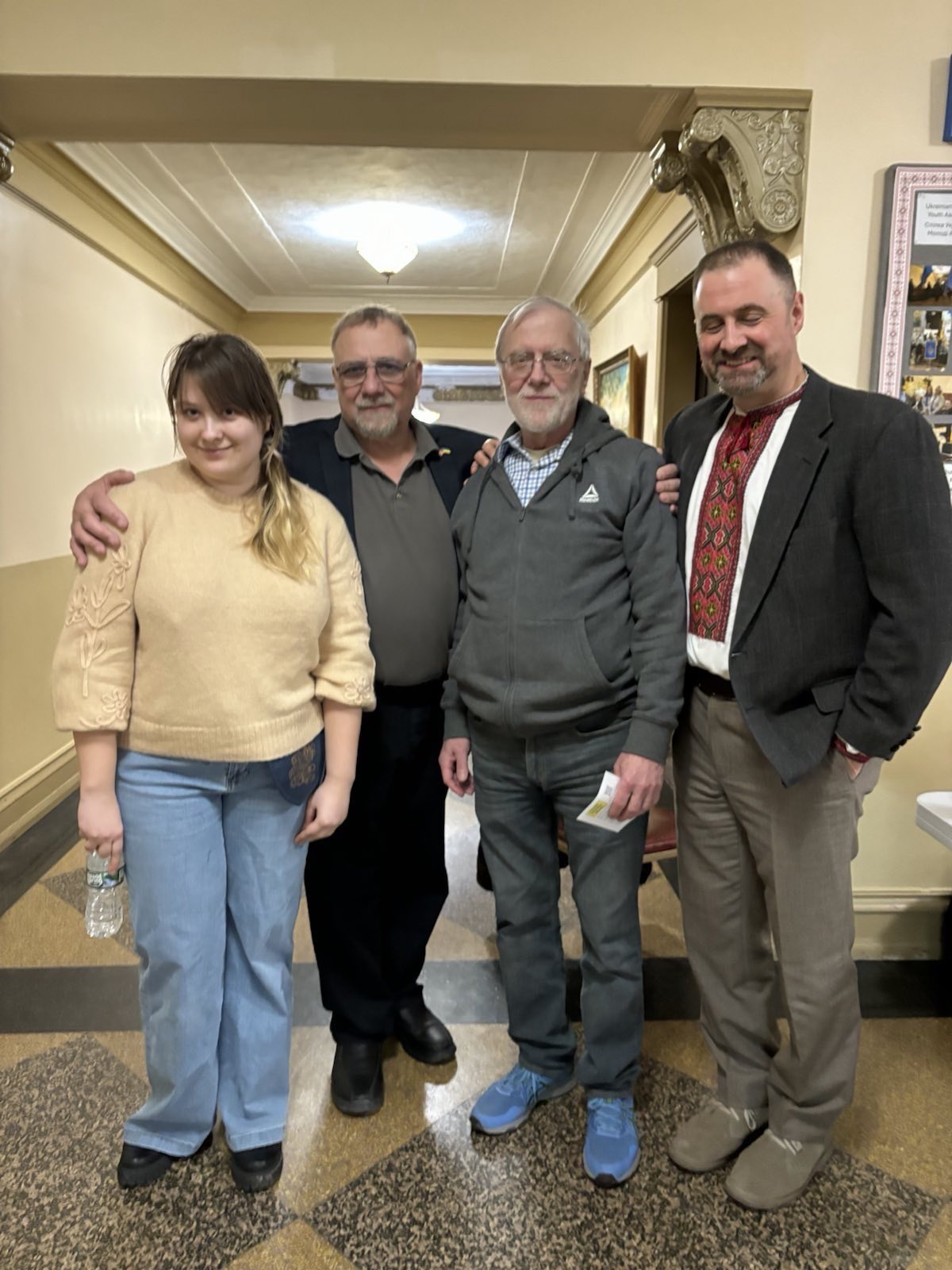
How is russian aggression transforming Ukraine’s ecosystems? What is happening to soils and biodiversity in the occupied territories? And why are the consequences of the war being felt far beyond Ukraine’s borders? These were the key questions discussed by Nataliia Yaroshenko, PhD, Senior Lecturer at the Department of Ecology and Botany, Faculty of Agrotechnologies and Environmental Management, Sumy National Agrarian University, on the American podcast Green Socialist Notes, hosted by political figure and environmental activist Howie Hawkins.
Released in early October, the episode focused on the environmental consequences of russia’s war against Ukraine. The discussion provided an opportunity to explain to an international audience that war destroys not only infrastructure and human lives but also affects soils, water resources, natural habitats, wildlife, and food systems.
Watch the discussion on YouTube: https://www.youtube.com/watch?v=lIZd3FRKwaw
One of the topics discussed was the impact of occupation on natural areas that had previously been accessible for research. Particular attention was given to the Oleshky Sands, a unique natural area in the Kherson region where Ukrainian and international researchers had studied biodiversity. Russia’s full-scale invasion has deprived researchers of the opportunity to conduct comprehensive fieldwork in the area and monitor changes in its ecosystem.
Nataliia Yaroshenko also focused on soil conditions. Shelling leaves behind not only chemical contamination but also fragments of ammunition and destroyed military equipment. Detecting and removing these remnants requires substantial resources and time, while restoring soil fertility calls for a systematic approach and long-term monitoring. At the same time, local residents are subjected to brutal genocidal violence and famine.
Among the potential approaches to environmental recovery, the researcher mentioned trials of soil restoration methods involving the cultivation of specific crops. However, returning land to safe and productive use cannot be achieved quickly. The process depends on soil conditions, the type and extent of contamination, and the availability of appropriate land management over decades.
The situation in protected natural areas is equally alarming. The F. E. Falz-Fein Biosphere Reserve Askania-Nova is located in the temporarily occupied part of the Kherson region. According to the researcher, satellite data indicate disturbing changes, including the possible removal of rare animals from the reserve and illegal hunting. These animals include numerous endemic species. The loss of such populations may have consequences that cannot be reversed quickly and, in some cases, may be irreversible.
The war is also changing the conditions in which birds live. The combined effects of climate change, habitat disruption, and fires caused by hostilities affect seasonal migration patterns and nesting opportunities. Birds are being forced to abandon their usual habitats, creating additional risks for population reproduction.
The discussion also addressed the destruction of the Kakhovka Hydroelectric Power Plant and the draining of the Kakhovka Reservoir. This disaster transformed vast areas, affected aquatic and terrestrial ecosystems, and caused significant biodiversity losses. Assessing the full extent of the damage remains difficult, particularly because researchers cannot access some of the affected areas.
At the same time, the natural regeneration of the Velykyi Luh area has attracted scientific interest. New plant communities, including woodland, are developing across the former reservoir bed. Monitoring these processes helps researchers understand how ecosystems respond to large-scale environmental changes and which natural mechanisms may shape their future recovery.
Environmental security is directly linked to agriculture, food supplies, the economy, and logistics. Contaminated soils affect the ability to grow crops, infrastructure destruction complicates supply chains, and ecosystem changes may have consequences far beyond the areas directly affected by hostilities.
Nataliia Yaroshenko emphasised the interconnectedness of these processes, explaining why the international community needs to understand the environmental dimension of russian aggression.
“Our conversation was intended to help people understand that ecosystems are much more interconnected than we may realise, and that the war affects the entire world. Those directly affected also include the United States, African countries, and certain Asian countries to which we actively export grain,” the researcher noted.
The discussion also touched on Ukrainian identity and the resilience of local businesses. The destruction of warehouses, retail networks, and other infrastructure poses serious challenges for entrepreneurs. Despite persistent security risks, they continue operating in Ukraine, adapting to changing circumstances, and maintaining close ties with their communities.
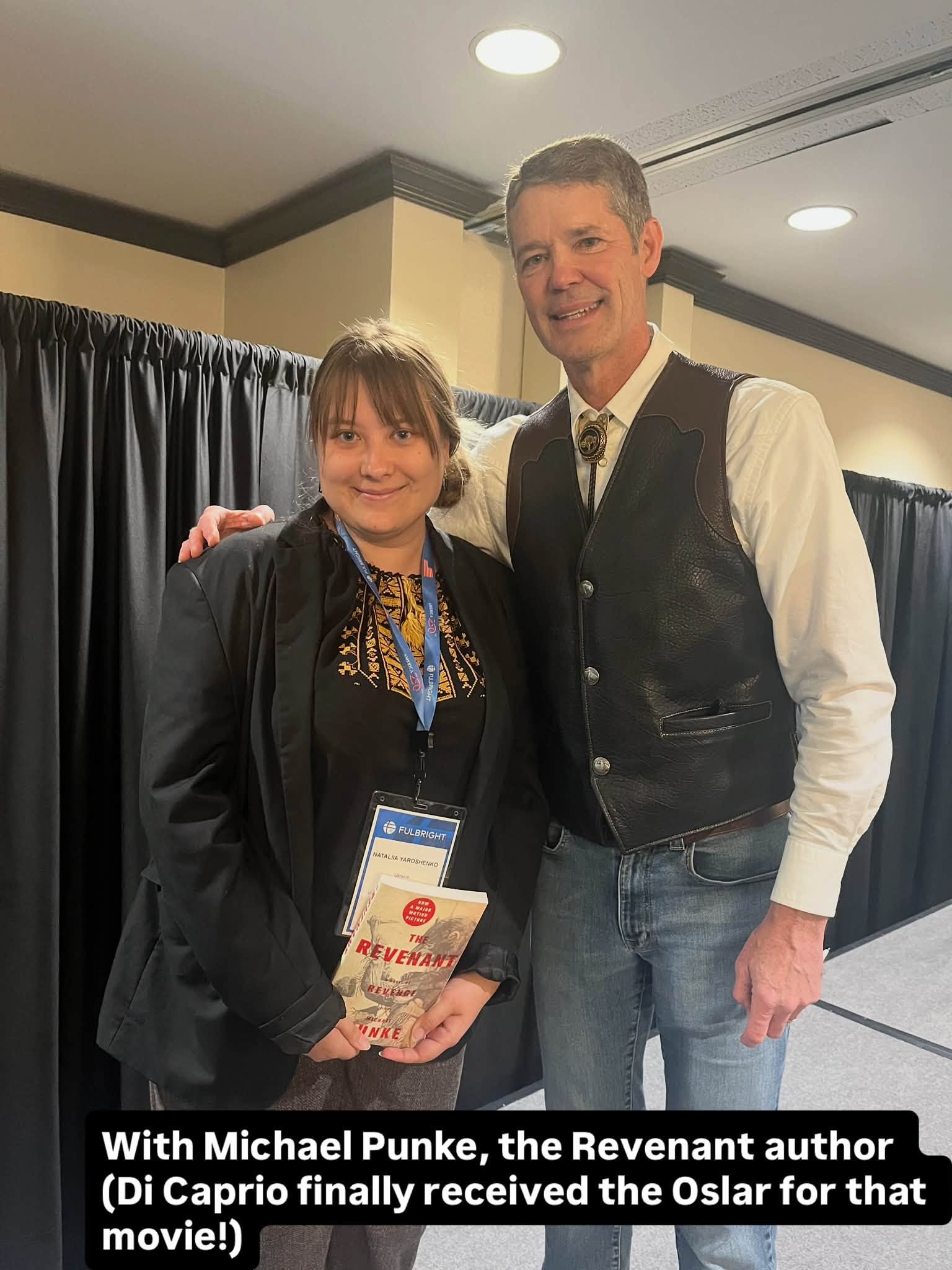
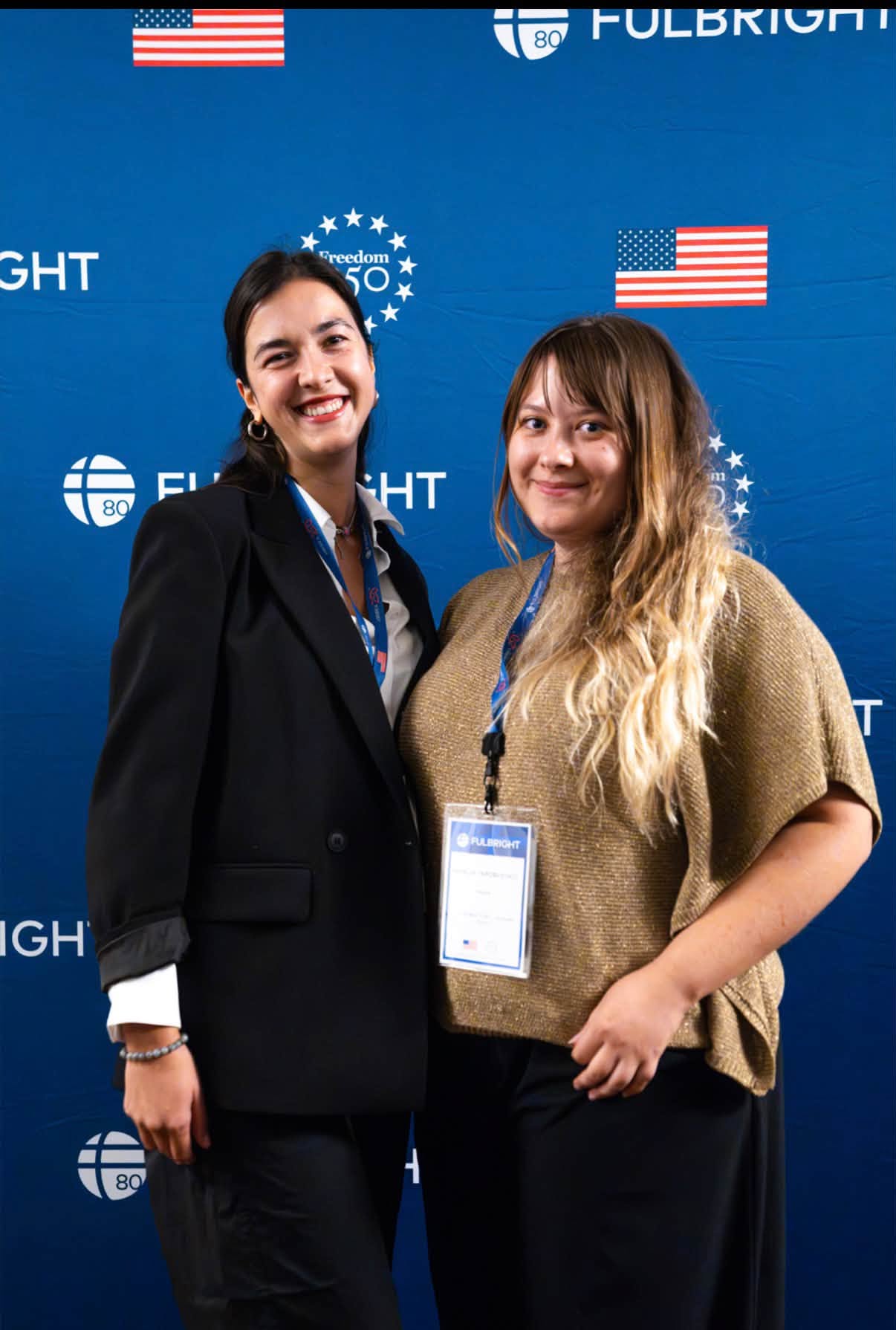
International communication has become part of Nataliia Yaroshenko’s broader professional journey. She participated in the Fulbright Research and Development Program, which provided her with nine months to pursue academic work in the United States and explore new research directions in military landscapes.
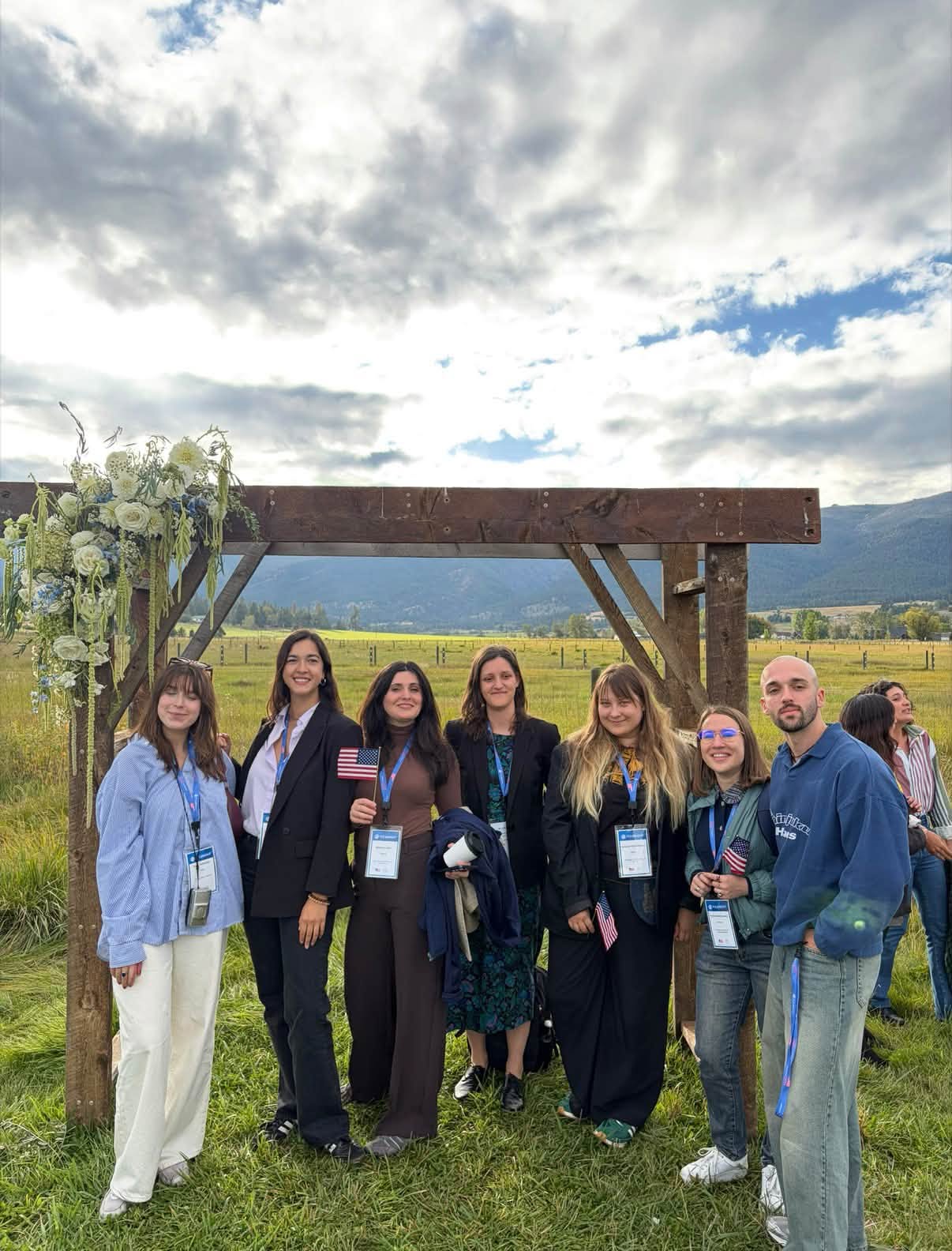
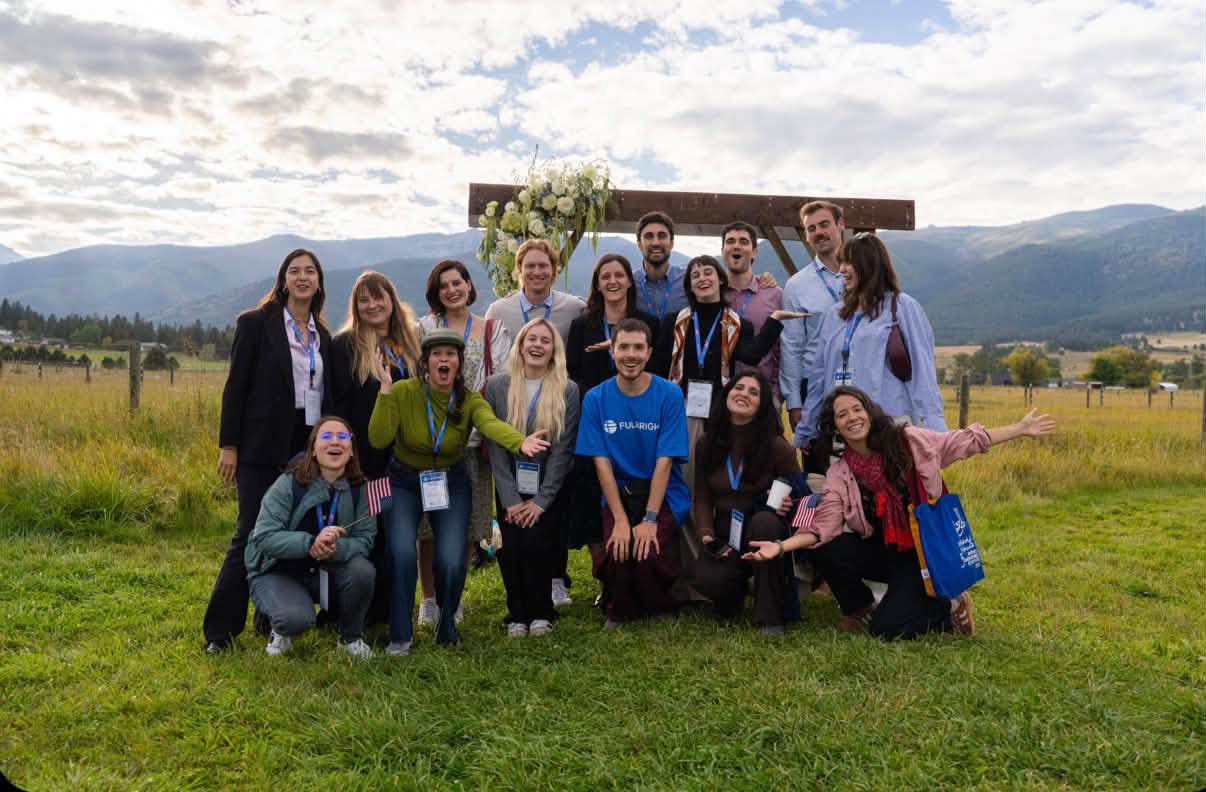
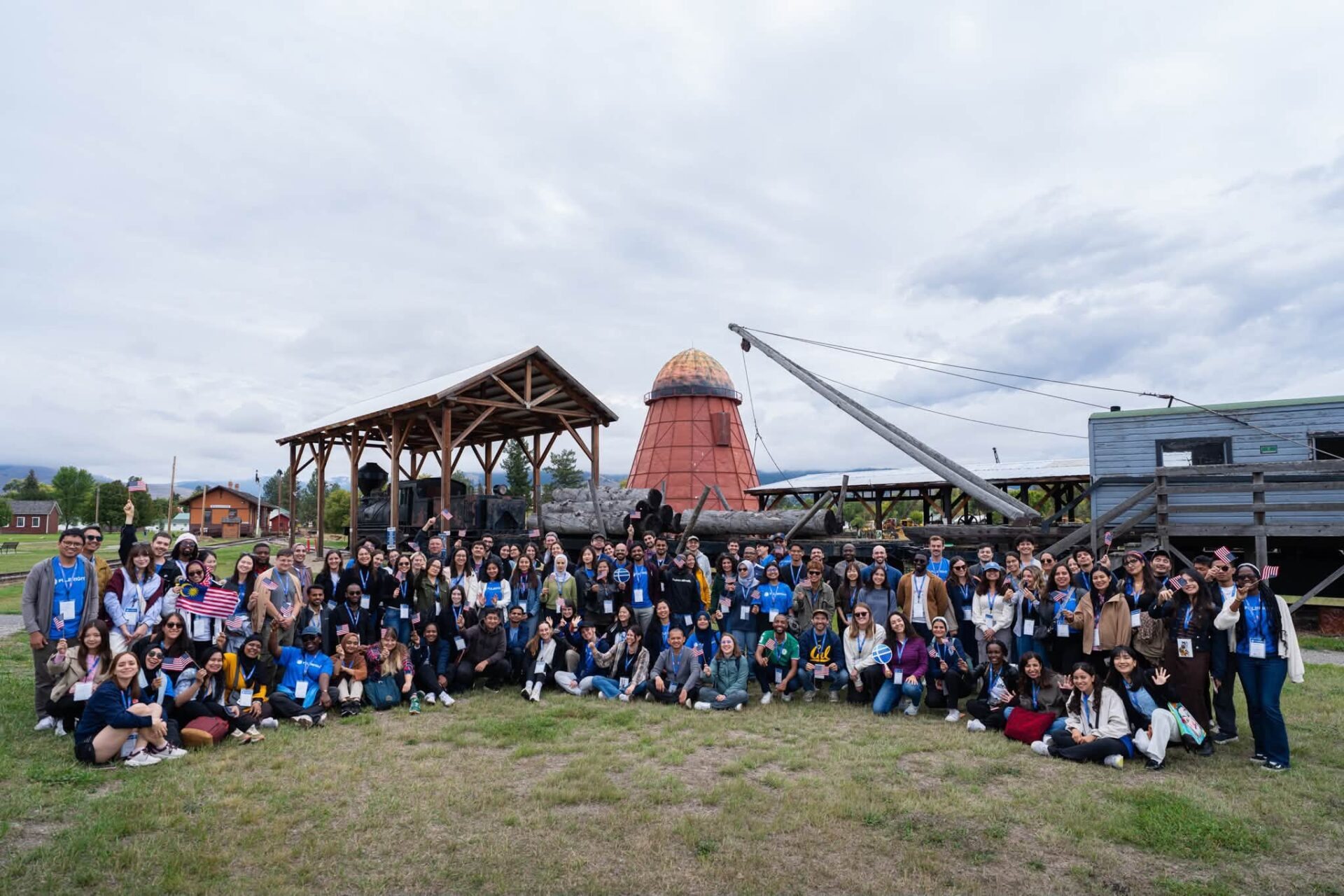
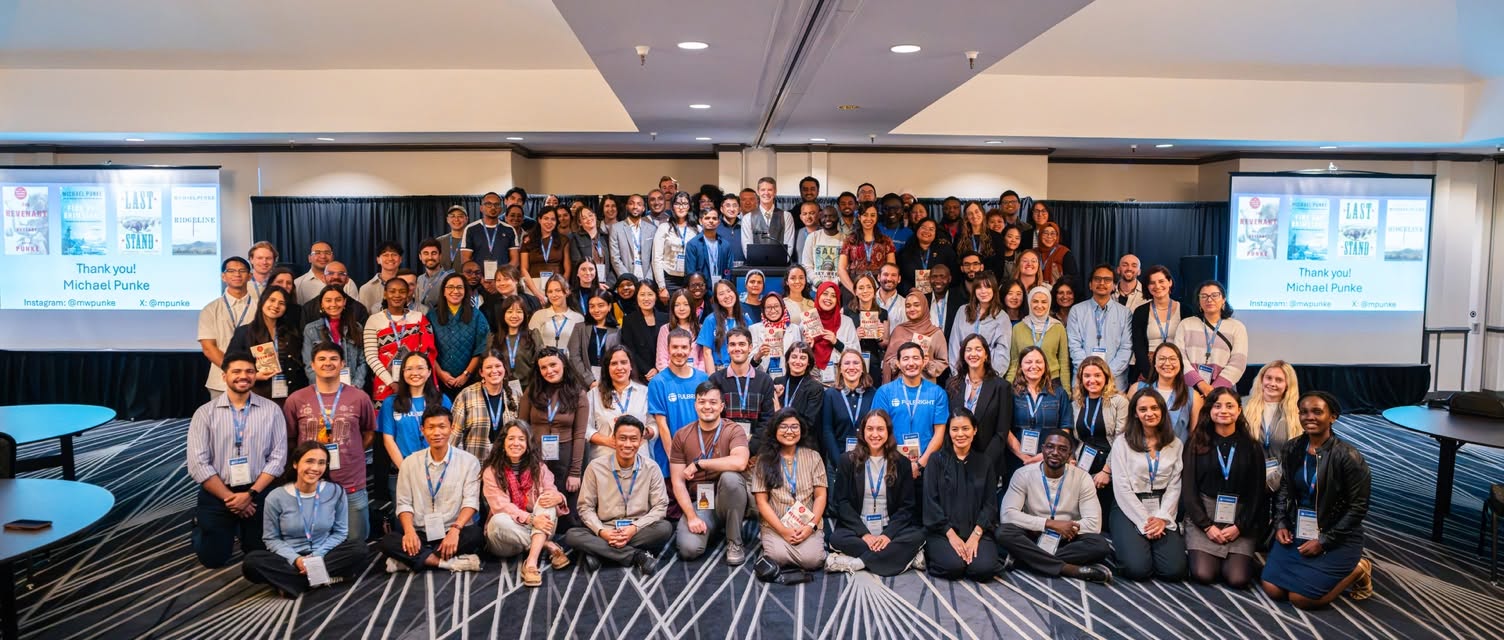
This experience marked a continuation of her academic development following her postgraduate studies and an international research placement in Germany. Her return to active research opened up new opportunities for future publications and projects. In September, Nataliia also took part in a seminar in Missoula, Montana, where she spoke with students about American education and shared her experience of participating in the Fulbright Program.
Another way to communicate the environmental cost of war to an international audience is through enWAR_mental, an English-language comic project founded by Nataliia Yaroshenko. The project presents the impact of Russian aggression on Ukraine’s environment in an accessible visual format.
Explore the enWAR_mental comic: https://drive.google.com/file/d/15QHwxL-CWn1SCm25_pN5pNYXzgWBSVXM/view
Nataliia Yaroshenko’s experience demonstrates how scientific knowledge can reach beyond academia, becoming a foundation for international dialogue, helping explain the consequences of war and drawing attention to Ukraine’s environmental losses. Protecting the environment is not merely a matter of safeguarding the future of Ukrainian territories; it is also part of a global responsibility to protect the ecosystems on which people’s lives depend around the world.