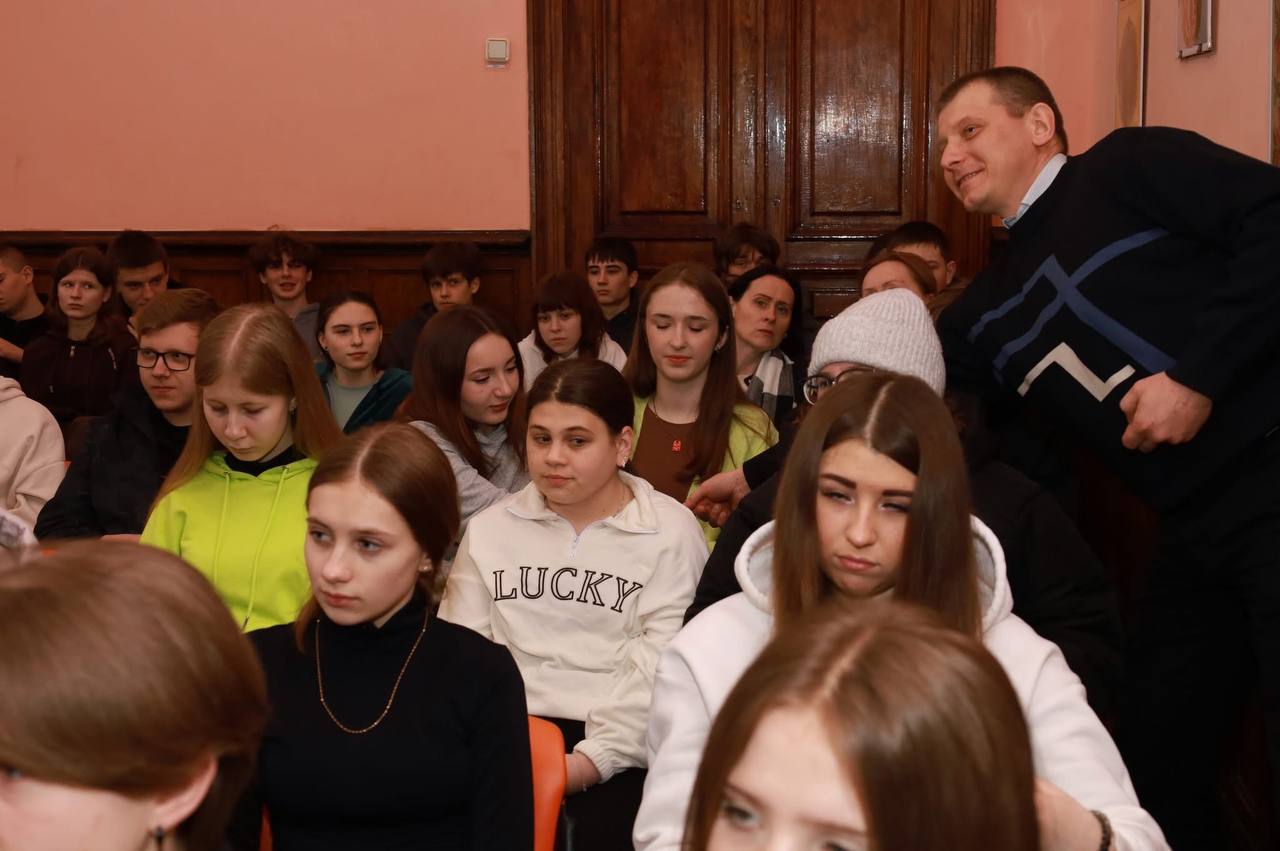
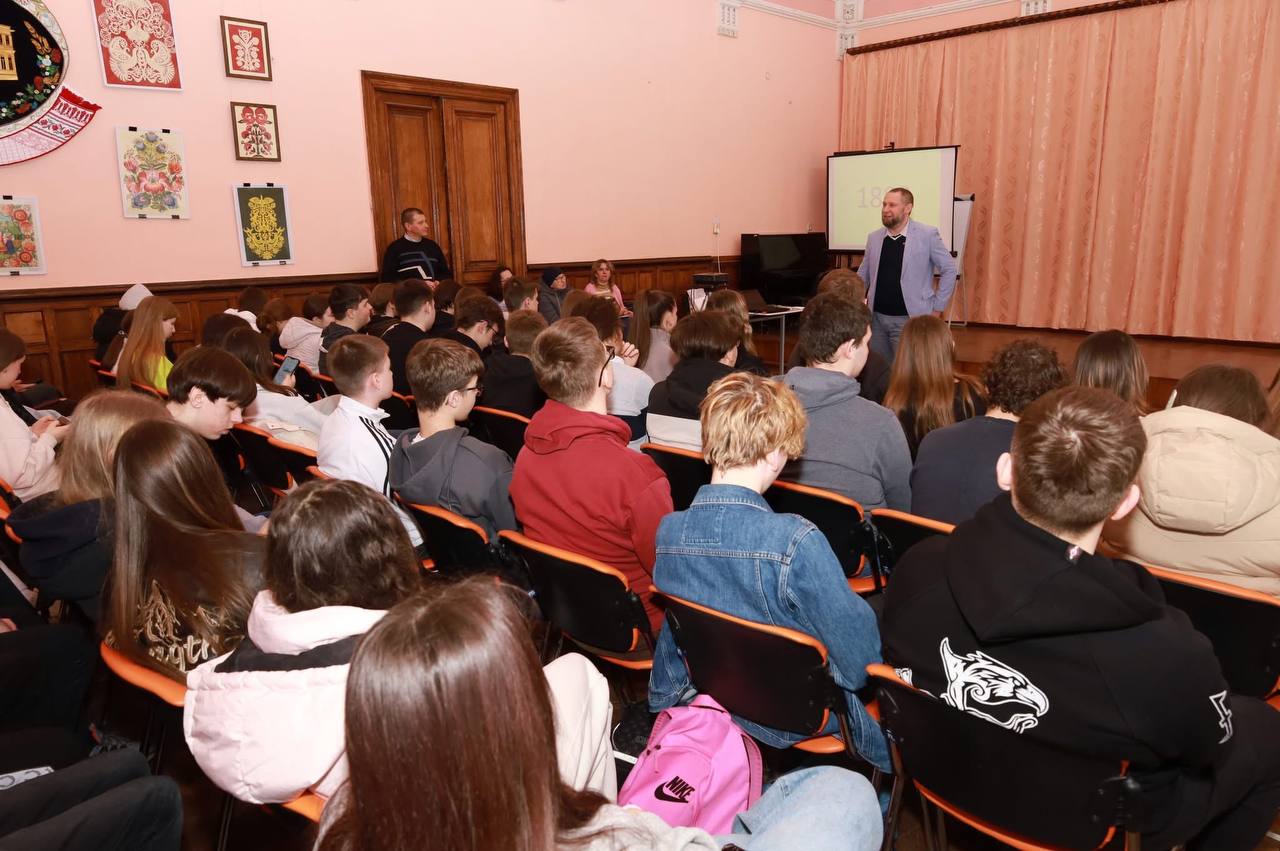
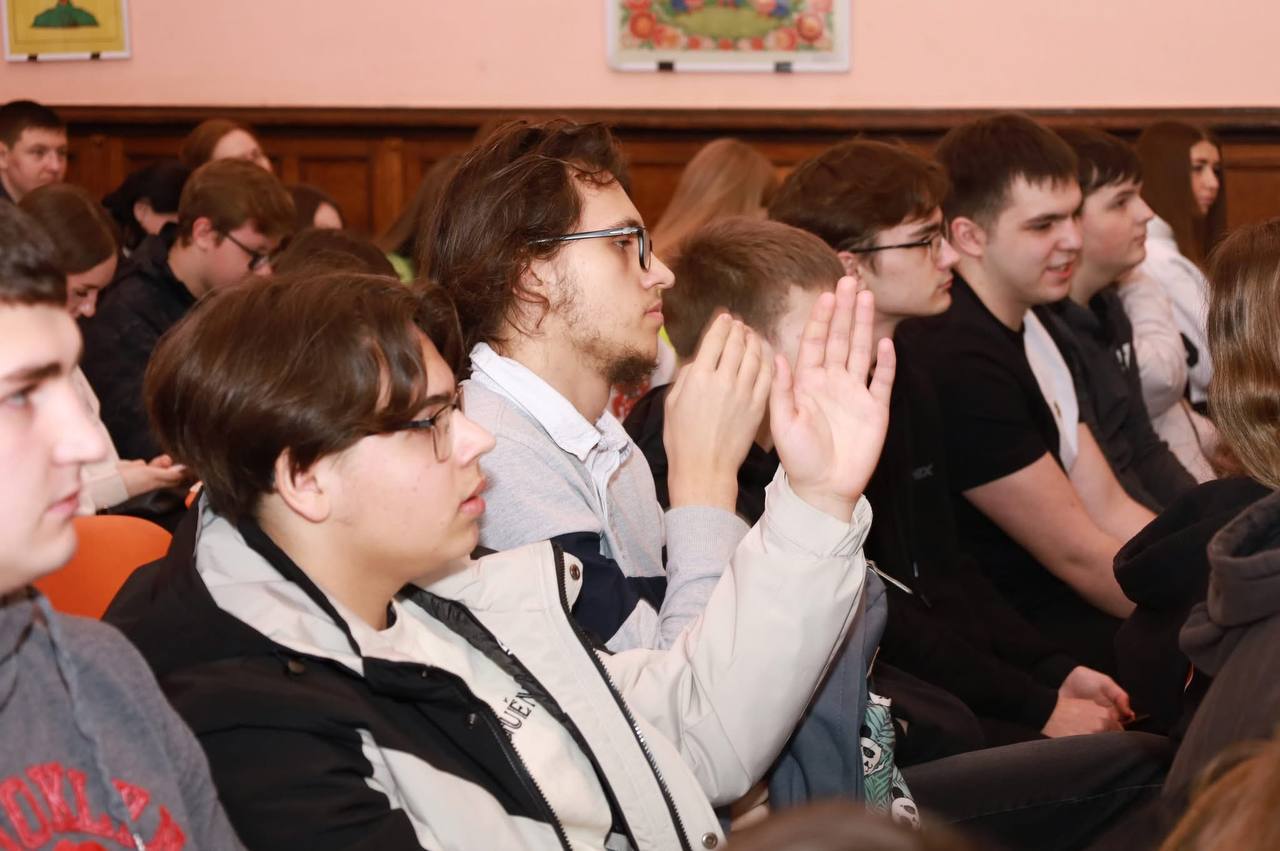
In the world where teenagers actively use bank cards, make online purchases and take an interest in investments and cryptocurrencies, financial literacy is becoming an essential skill. That is why Sumy National Agrarian University has launched an educational initiative aimed at raising schoolchildren’s awareness of finance.
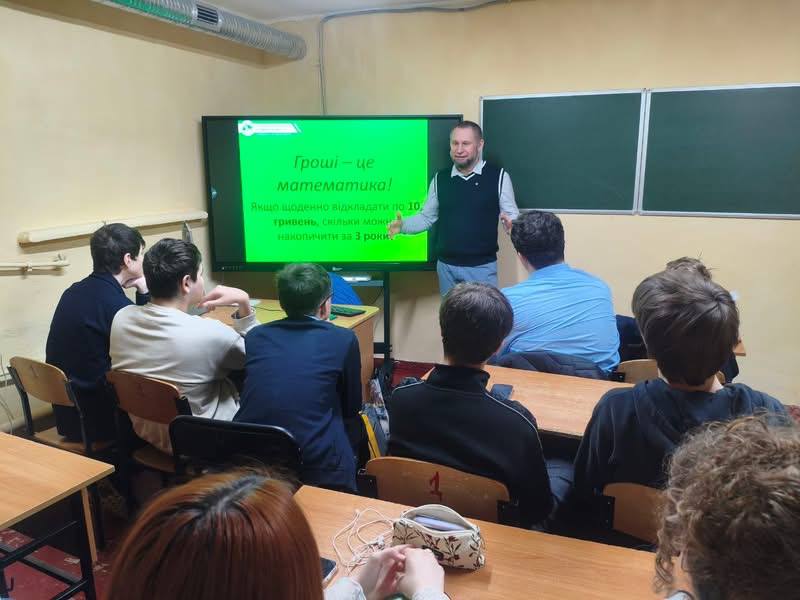
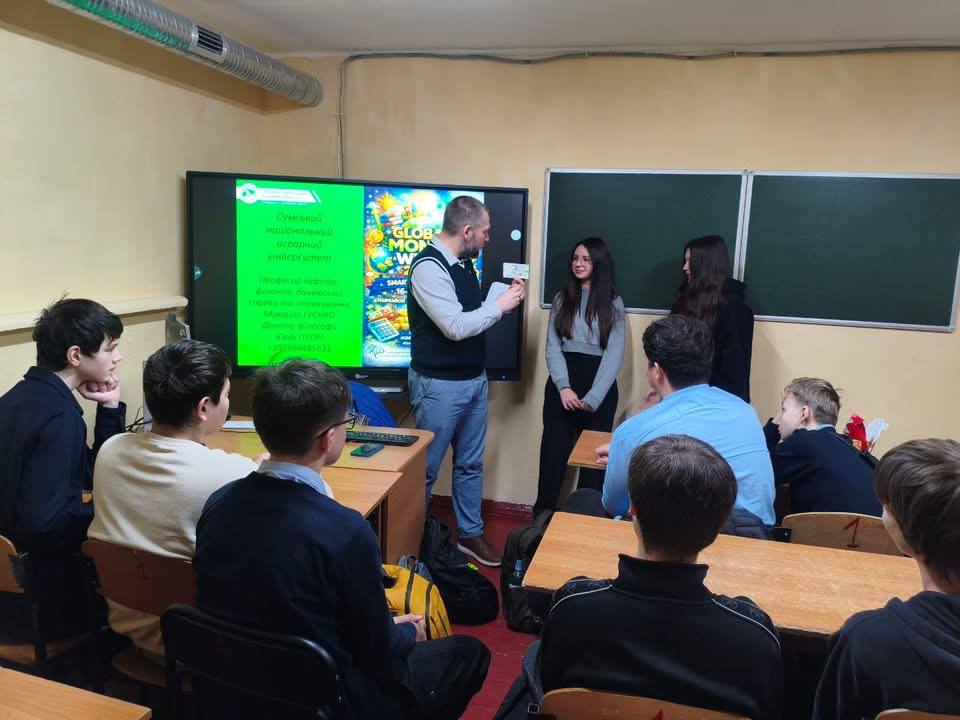
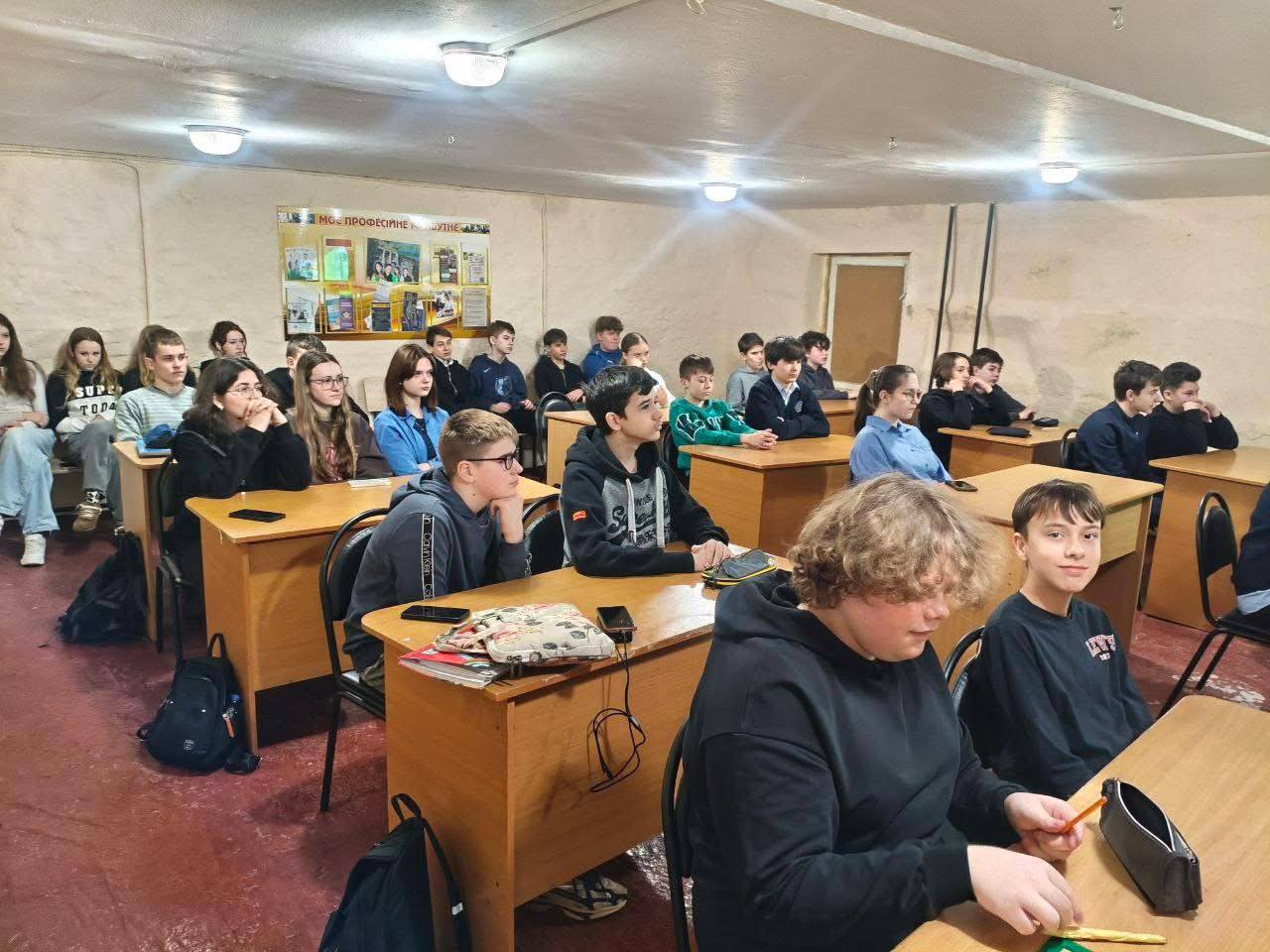
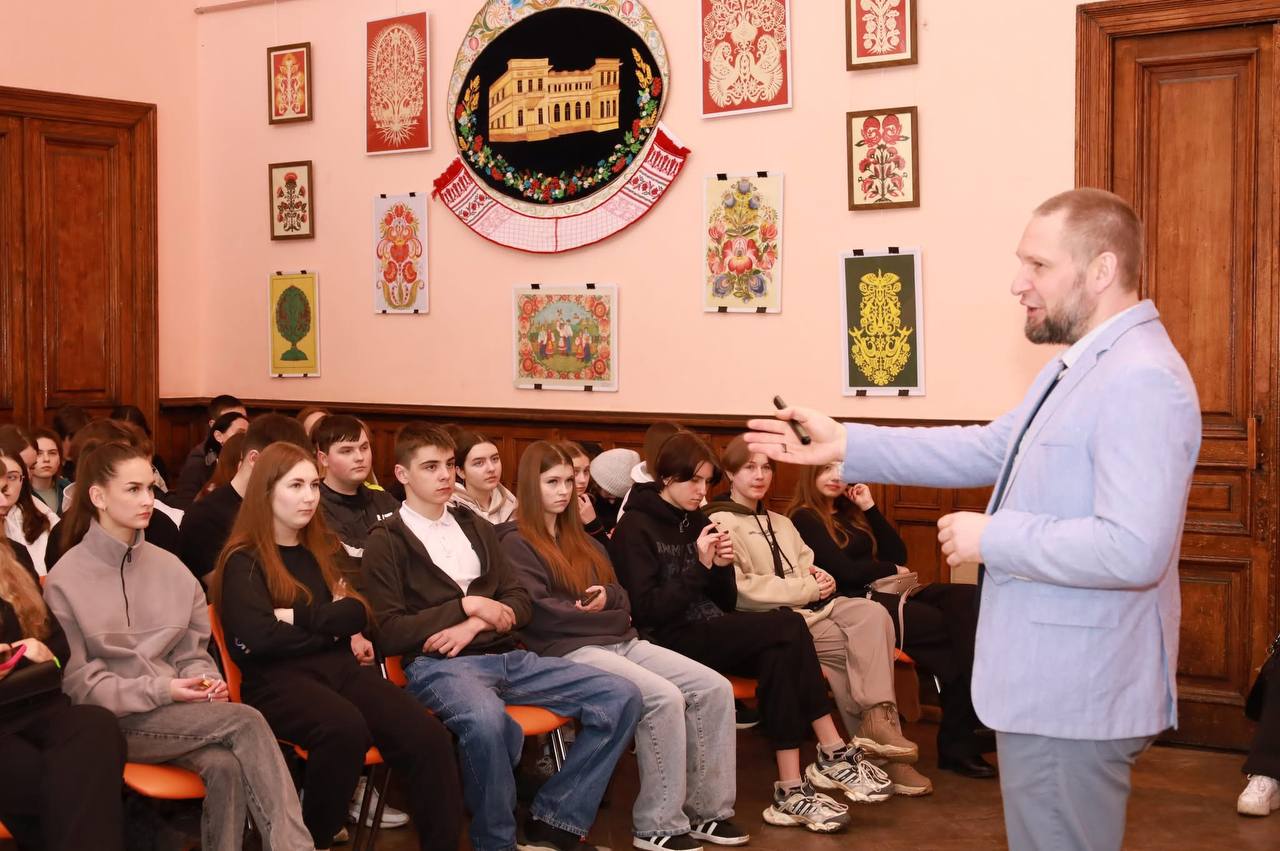
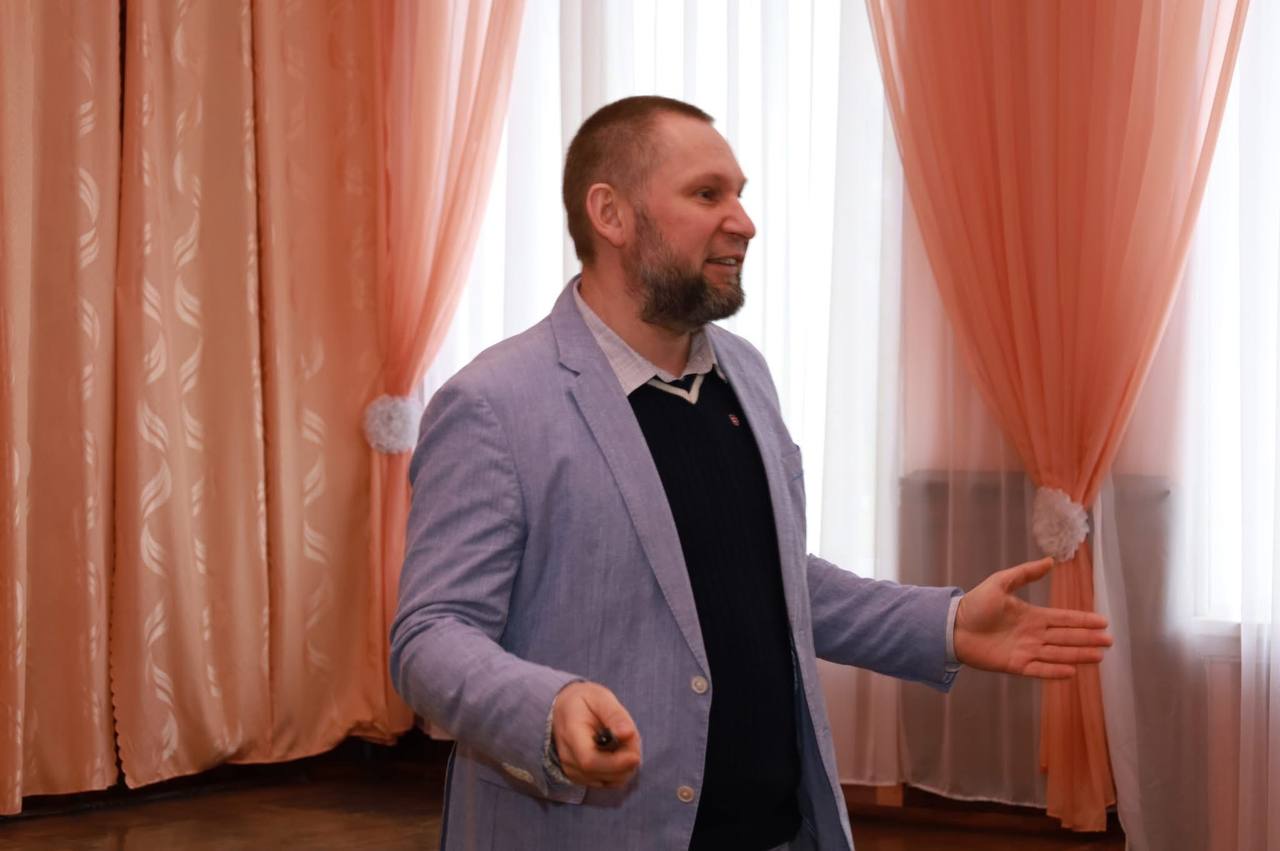
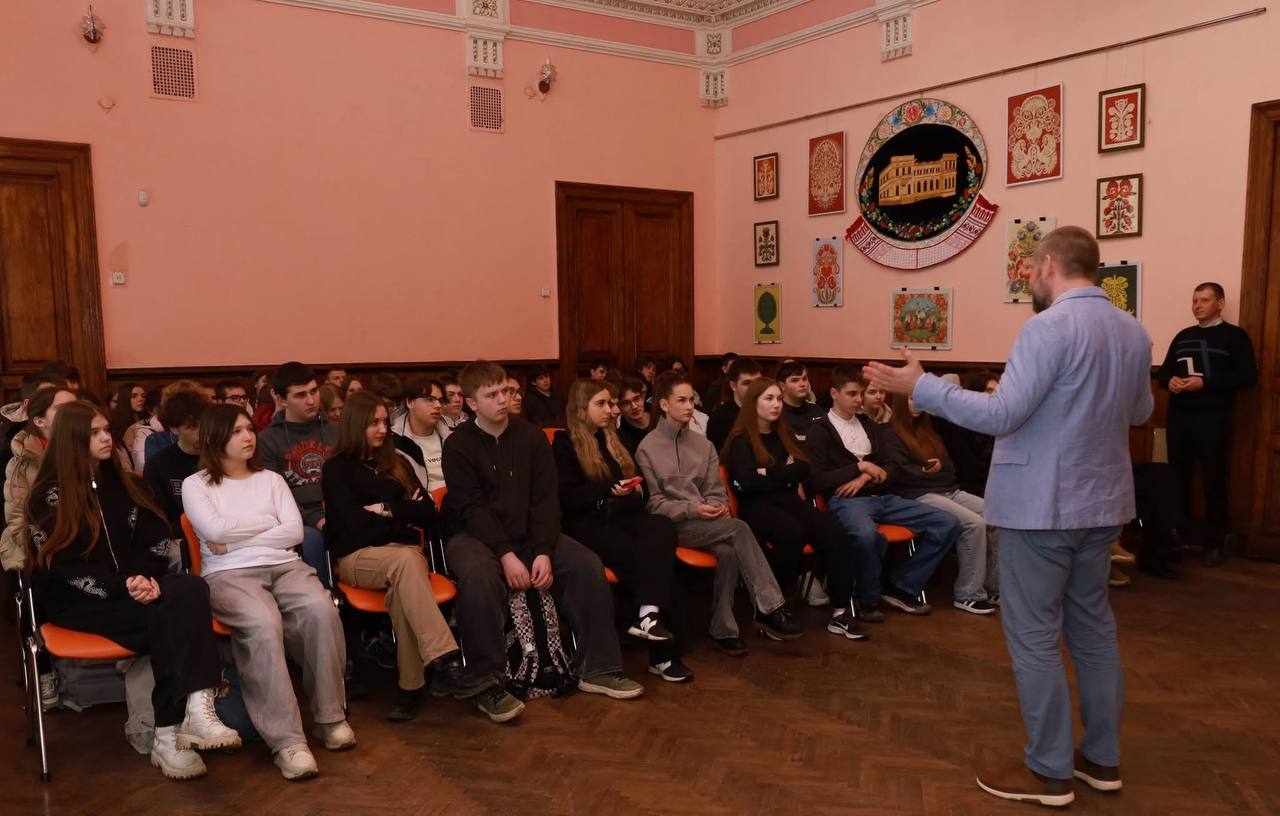
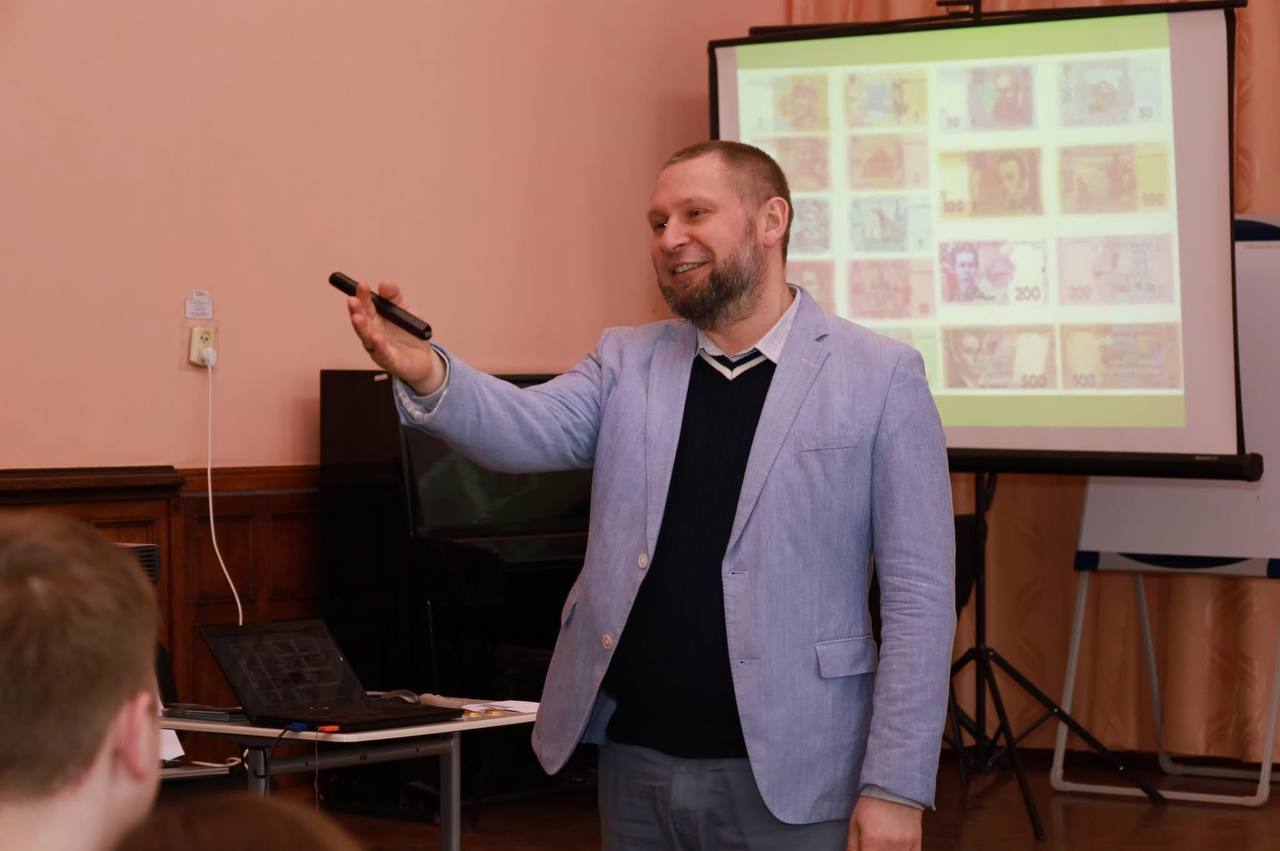
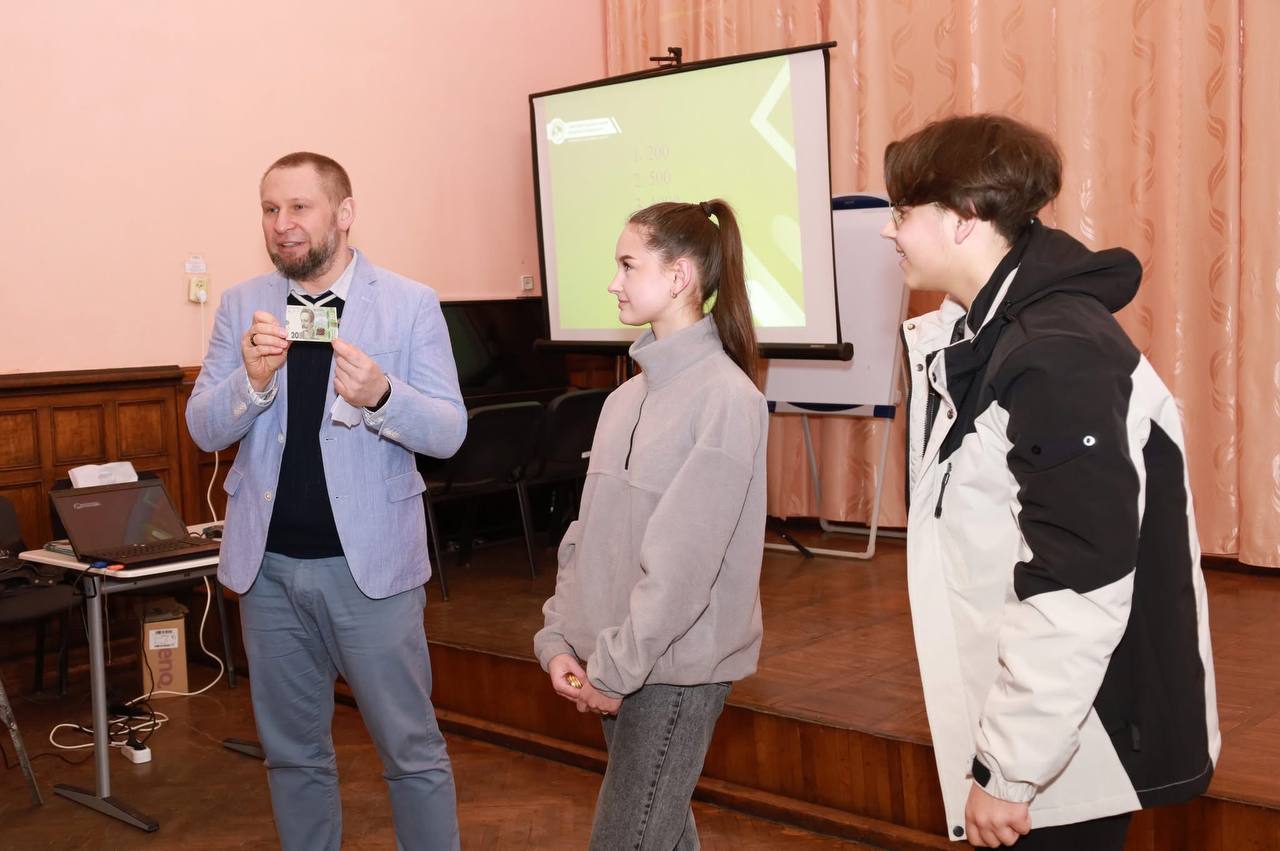
Mykhailo Heienko, a Professor in the Department of Finance, Banking and Insurance, runs courses for pupils of 8–11 grades, aimed at developing basic skills in responsible money management and fostering critical thinking.
The idea behind these courses was a response to the challenges of the modern world. Today’s young people are quick to embrace new financial tools, yet their level of awareness does not always keep pace with these changes. This is precisely why there is a growing need for accessible, understandable and practical education.
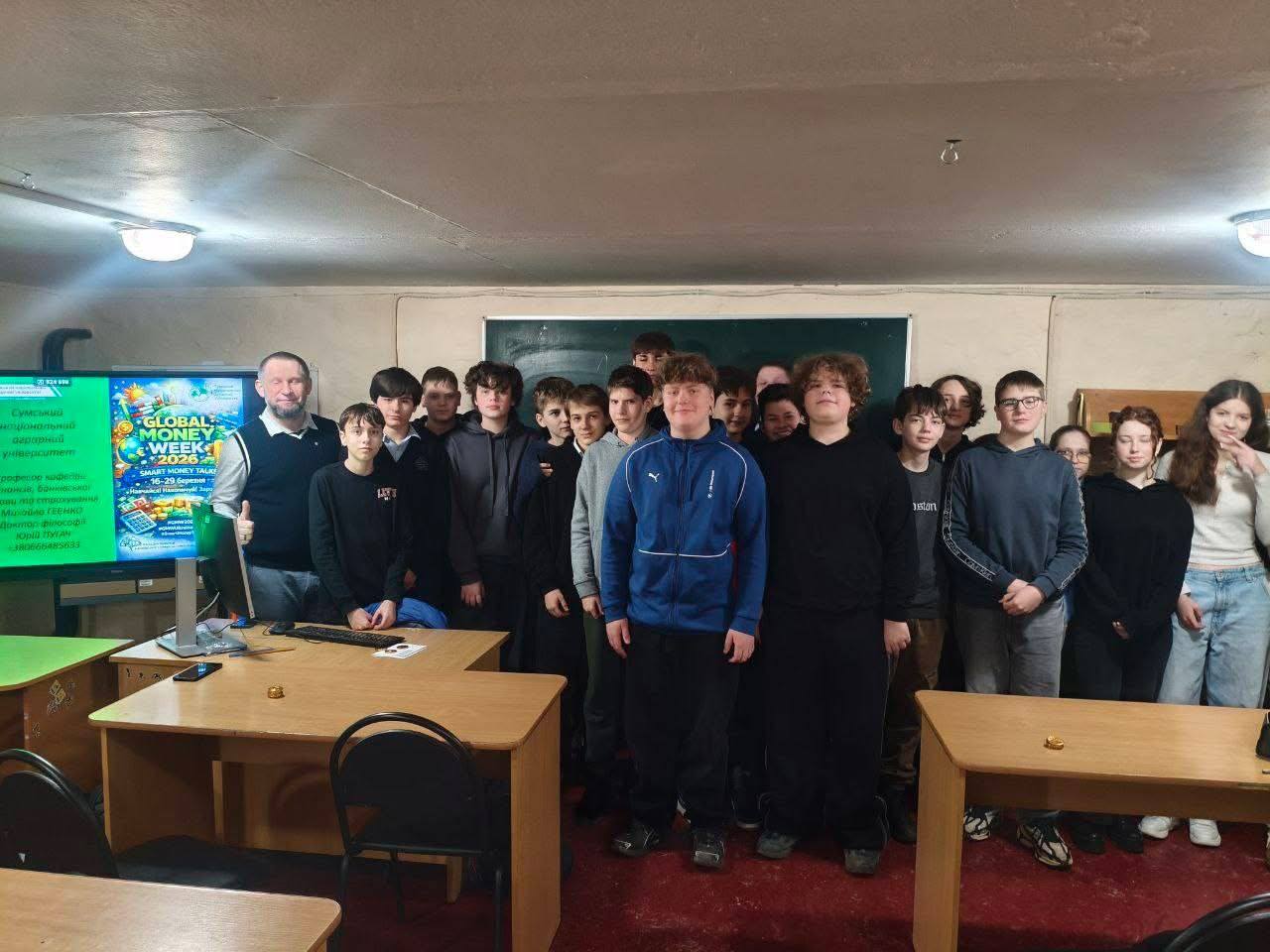
A key component of the initiative is participation in the international educational campaign Global Money Week, organised under the auspices of the National Bank of Ukraine. As part of the programme, open lectures, interactive sessions and discussions are held to help schoolchildren better understand the role of money in the modern world and develop a responsible attitude towards finances.
The course programme is structured around practical topics that directly impact young people’s lives. Participants learn about the role of money in the modern economy, how to distinguish between income and expenditure and plan their own budget, and gain an understanding of the principles of saving and building wealth. Particular attention is paid to digital finance and modern tools, as well as the influence of social media on financial decisions. Pupils also recognise the role of mathematics in finance and acquire the basic skills needed to make informed decisions.
At the same time, significant emphasis is placed on the topic of financial fraud — one of the most pressing threats in the digital environment. Course participants learn to identify risks, verify information, avoid making decisions based on emotion, and respond appropriately in suspicious situations.
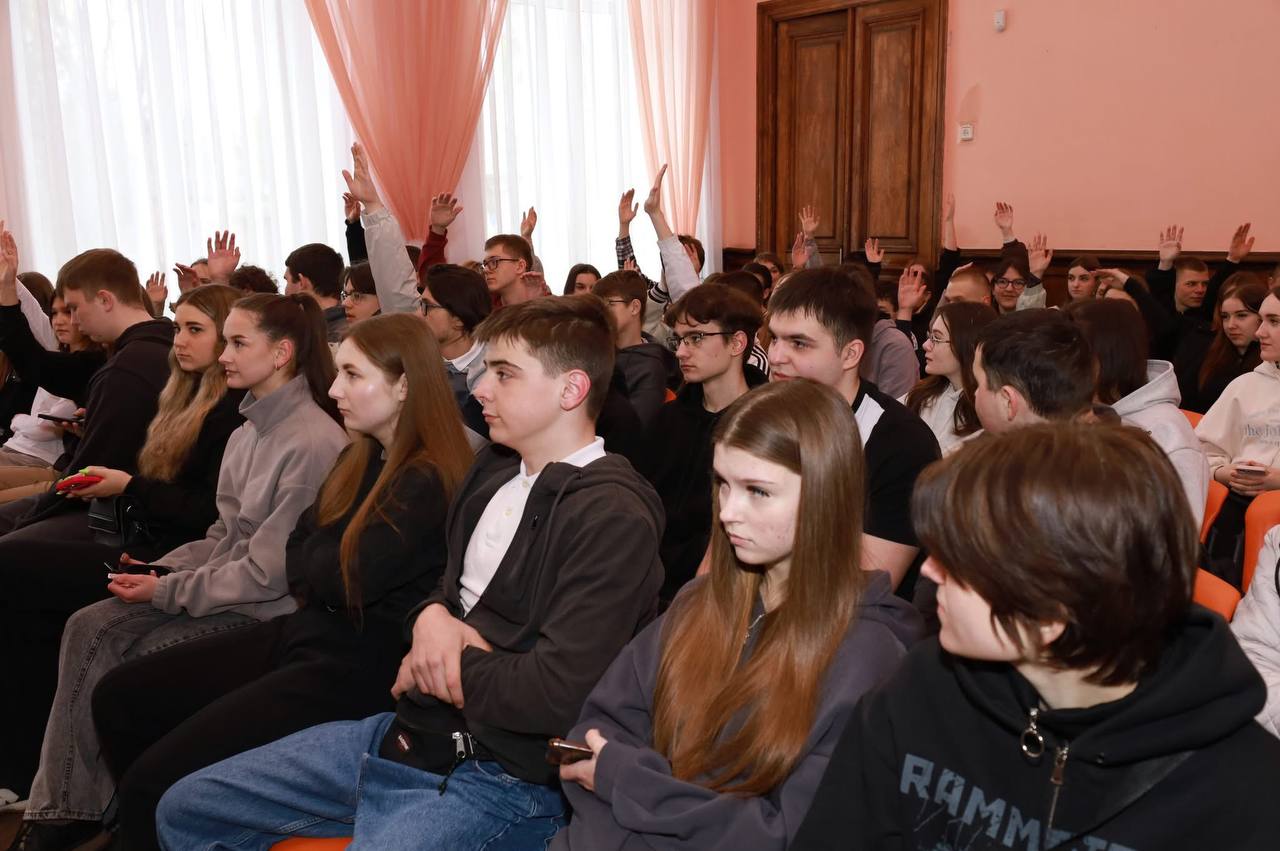
A distinctive feature of the training is the combination of theoretical knowledge with practical case studies and open discussions. The format involves lively dialogue with school pupils, analysis of common mistakes, and the development of critical thinking skills.
Mykhailo Heienko notes: ‘As the father of a teenager, I take into account the real interests and challenges facing today’s young people. This allows us to tailor the course content to their needs and make it as clear and relevant as possible.’
The courses also fulfil an important career guidance function, helping school pupils to better understand the field of finance and the opportunities for professional development at SNAU.
Financial literacy developing from school age is an investment not only in the personal success of young people, but also in the future of the country’s economy. It is precisely such initiatives that shape a generation that is confident in the world of finance and capable of making responsible decisions.