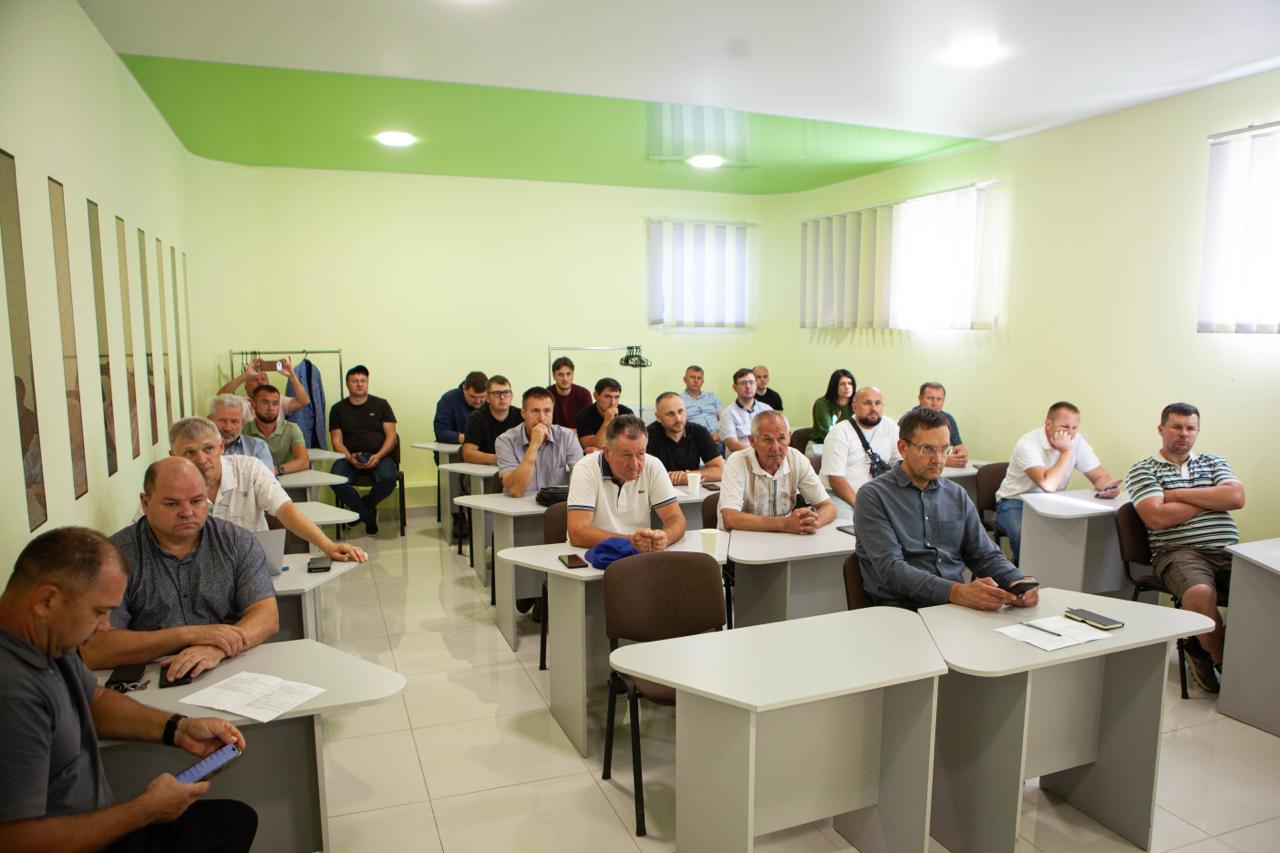
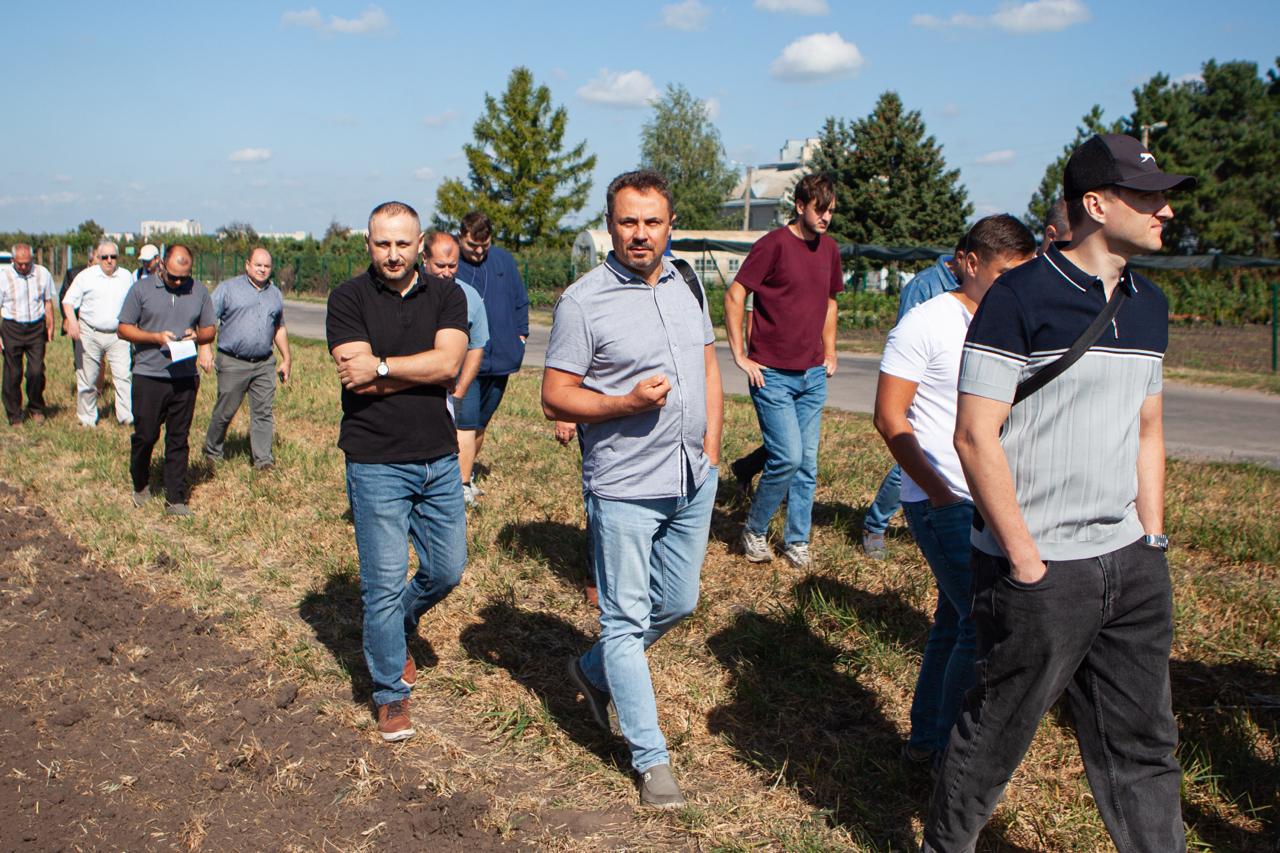
On August 28, the SNAU Field Day and a scientific and practical seminar took place at the experimental fields of Sumy National Agrarian University—a joint platform for scientists, educators, representatives of the agricultural sector, and farms. The event brought together those who are currently working on the development of agriculture in the Sumy region and seeking solutions for its future.
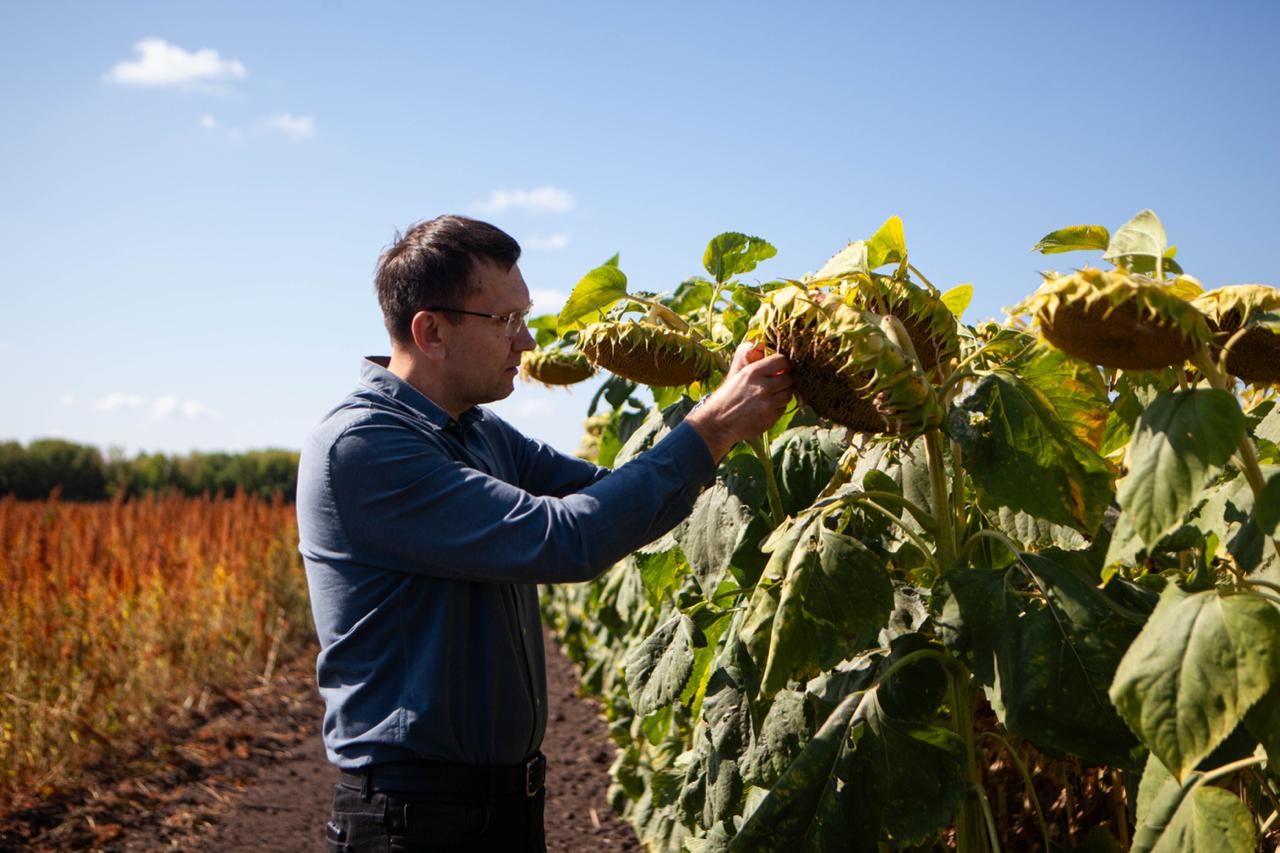
The SNAU experimental fields are much more than just a training facility. Here, various crops are grown and studied, their development is monitored, modern technologies are tested, and data is collected for further scientific work and the advancement of plant breeding. The university pays special attention to niche crops, potatoes, and fruit and berry crops.
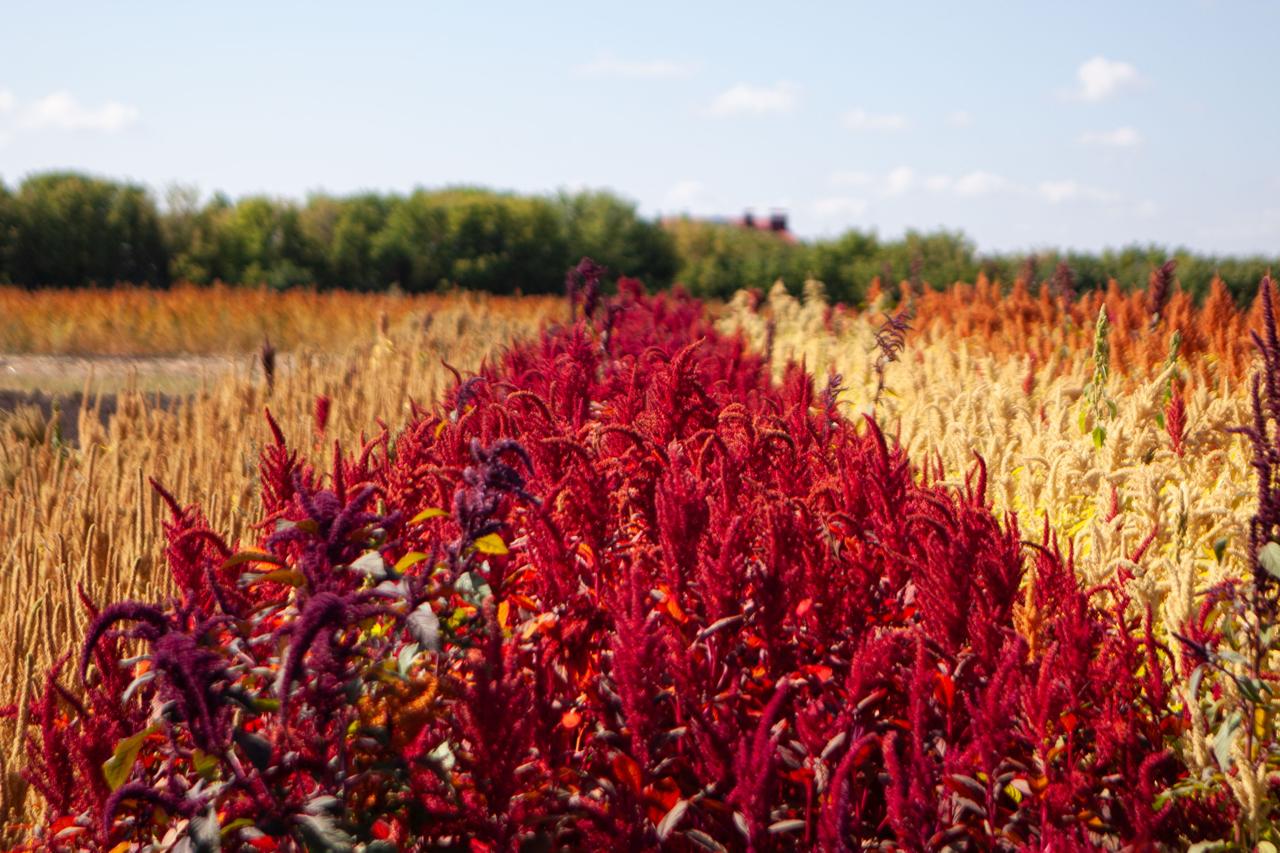
The SNAU educational and research complex features a wide range of niche crops, including sarepska and white mustard, red mustard, safflower, fenugreek, cilantro, flax, buckwheat, millet, black cumin, quinoa, lylemantia, peanuts, castor beans, sesame, lupine, and sorghum. Research on these crops makes it possible to assess their cultivation characteristics and adaptability to regional conditions, as well as to determine the prospects for their use in agricultural production. A separate topic of the seminar focused on niche crops and quinoa—Professor Volodymyr Trotsenko presented the results of the research.
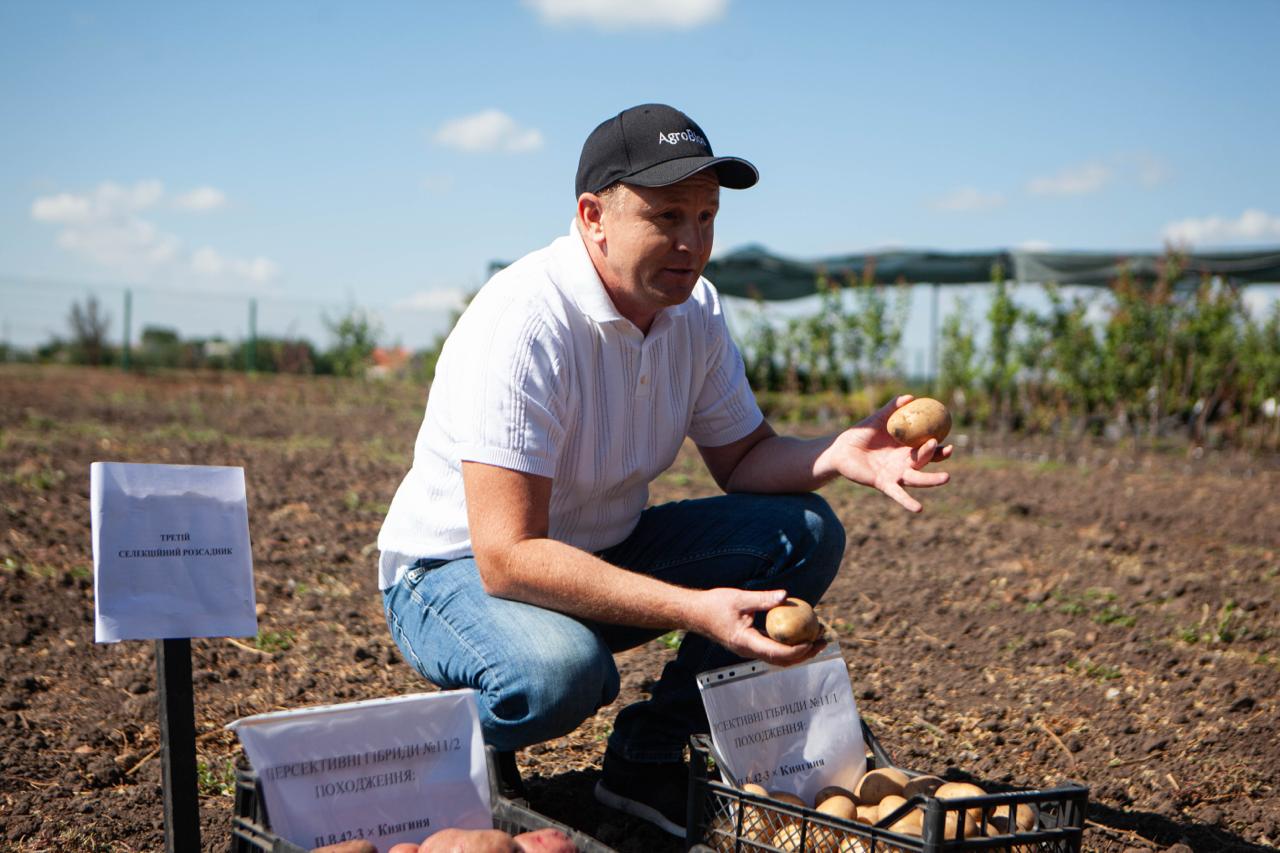
Next was the experimental plot of the State Scientific and Practical Center “Institute of Potato Problems of Northeastern Ukraine,” presented by Vladyslav Kovalenko, Ph.D. in Agricultural Sciences, Associate Professor, and Head of the Laboratory.
After the practical session, participants moved on to the plenary session. Topics included organic production at SNAU, modern approaches and innovative technologies in primary potato seed production, the research activities of the Institute of Agriculture of the Northeast of the National Academy of Agrarian Sciences (NAAS), as well as innovative technologies for growing fruit and berry crops in the northern regions of Ukraine.
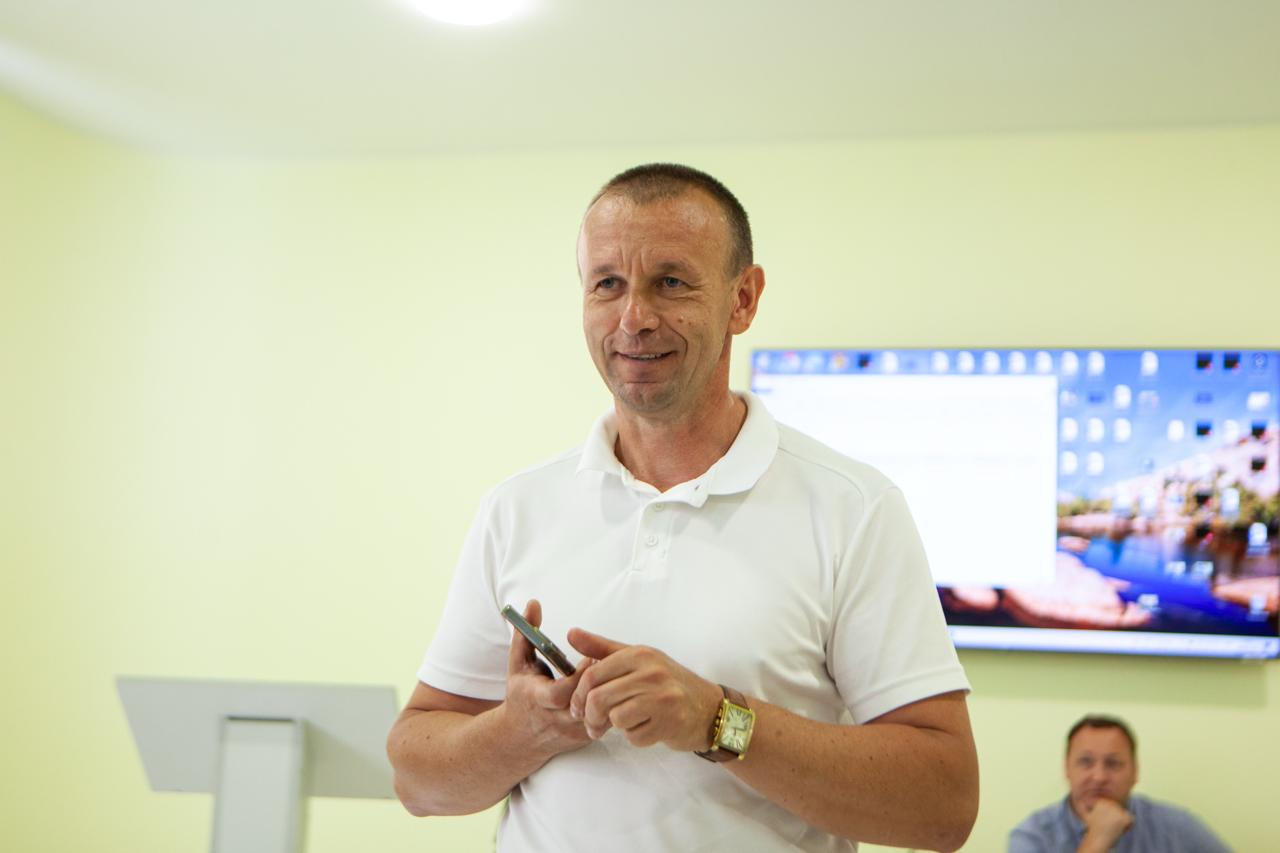
Yuriy Mishchenko, Ph.D. in Agricultural Sciences and professor in the Department of Agricultural Technologies and Soil Science, spoke about the directions of organic production at SNAU. Vladyslav Kovalenko, Ph.D. in Agricultural Sciences and associate professor, presented modern approaches and innovative technologies in primary potato seed production. Volodymyr Kabanets, director of the Institute of Agriculture of the Northeast of the National Academy of Agrarian Sciences of Ukraine, spoke about the institute’s research activities and major achievements. Mykola Chukhil, director of the Sumy Horticultural Research Station, presented innovative technologies for growing fruit and berry crops in the northern regions of Ukraine.
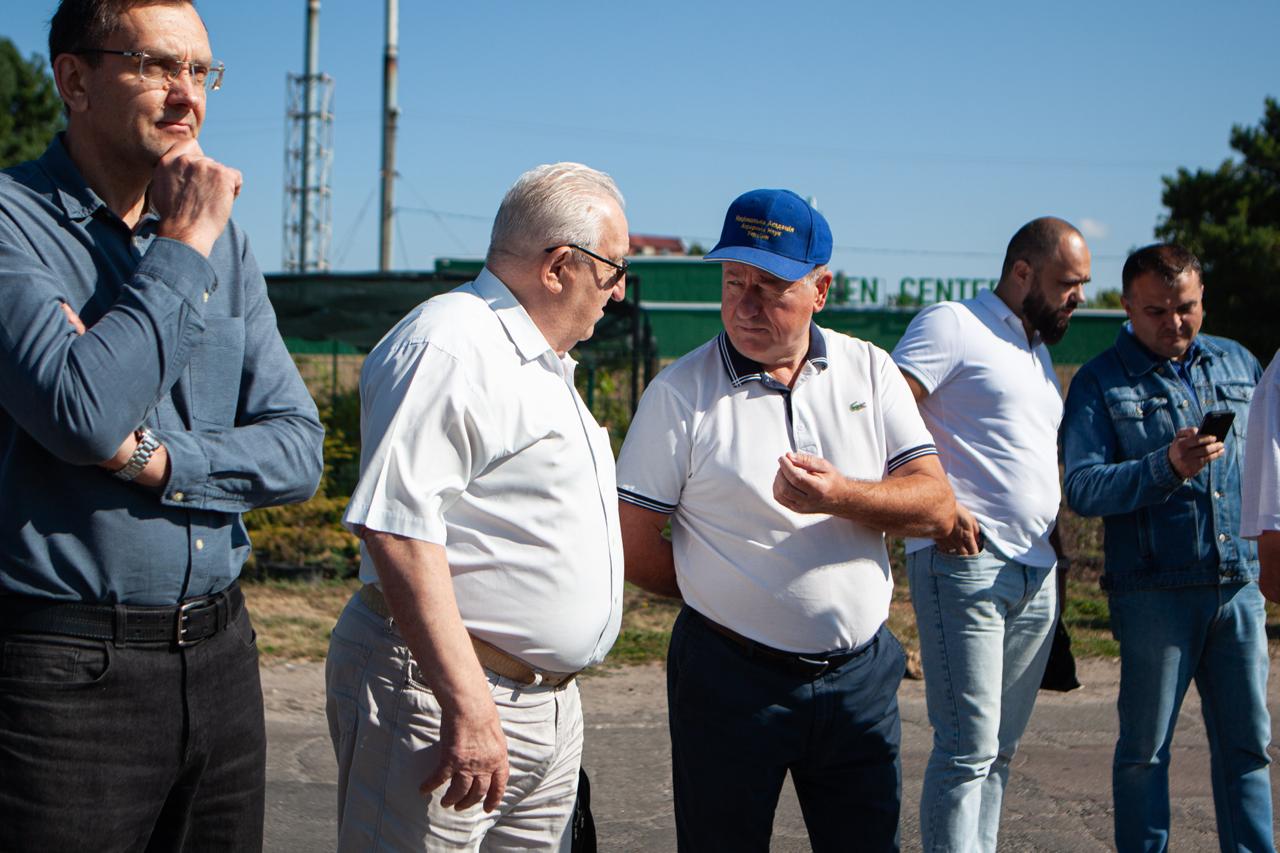
The Field Day was attended by Svitlana Lypova, Deputy Head of the Sumy Regional State Administration; Oleksandr Maslak, Director of the Department of Agro-Industrial Development of the Sumy Regional State Administration; Ihor Kovalenko, Rector of the Sumy National Agrarian University; Serhiy Horbas, Dean of the Faculty of Agricultural Technologies and Natural Resource Management; as well as representatives of research institutions and the agricultural sector: Volodymyr Trotsenko, Yuriy Mishchenko, Volodymyr Kabanets, Mykola Sakhoshko, and Mykola Chukhil.
Such representation is important precisely because modern agricultural science cannot exist in isolation from actual production. The experimental field provides an opportunity to test scientific approaches in practice, allows producers to see new technologies and research results, and enables students to learn not only from textbooks but directly where the future of the agricultural sector is being shaped.
For SNAU, this is a fundamental approach. SNAU serves as the center for scientific support of the region’s agro-industrial complex, as the university simultaneously educates students, conducts scientific research, and develops practical solutions for the agro-industrial sector. That is precisely why experimental fields remain an important part of university life—a space where new knowledge is born, technologies are tested, and the expertise of future specialists is shaped.