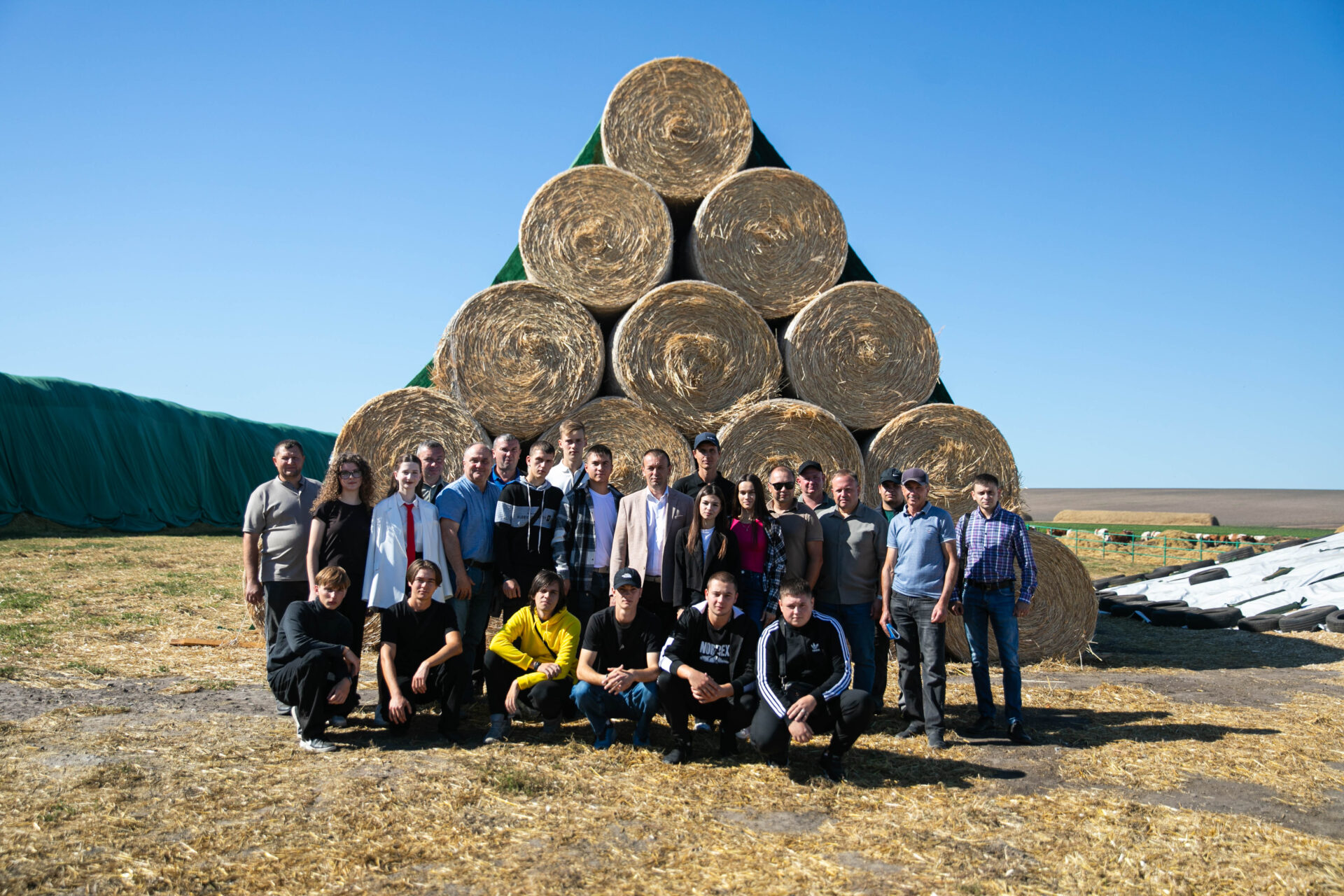
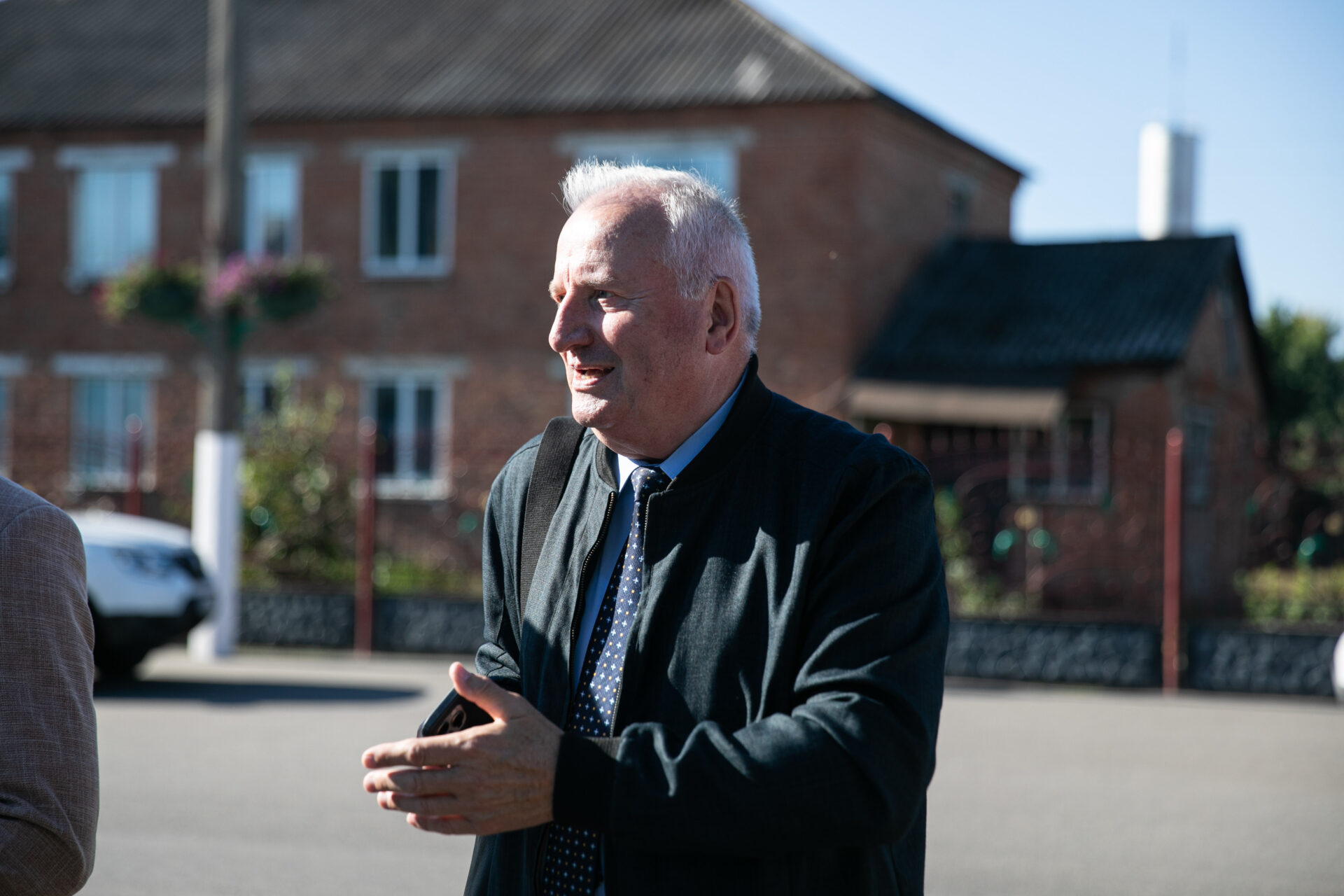
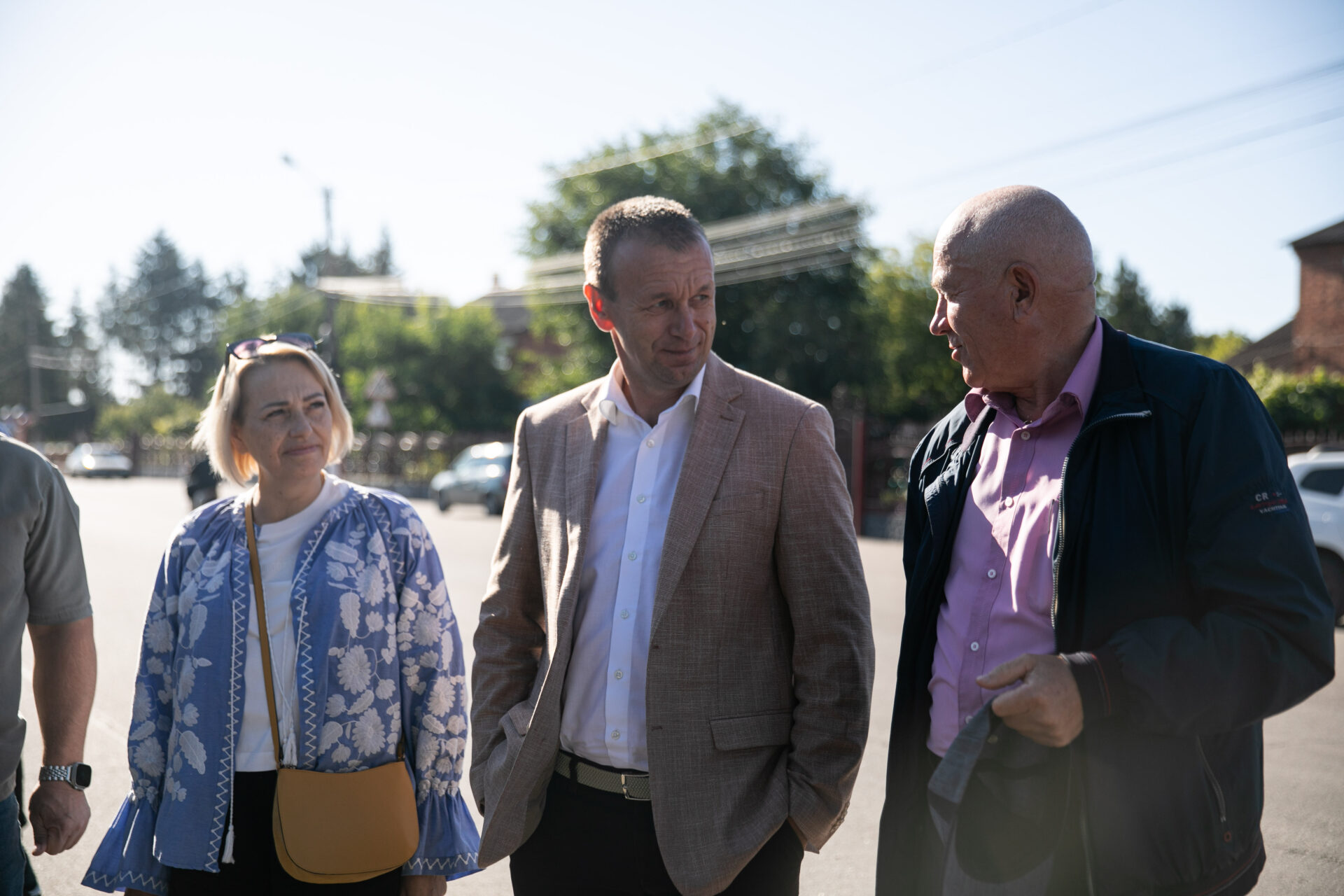
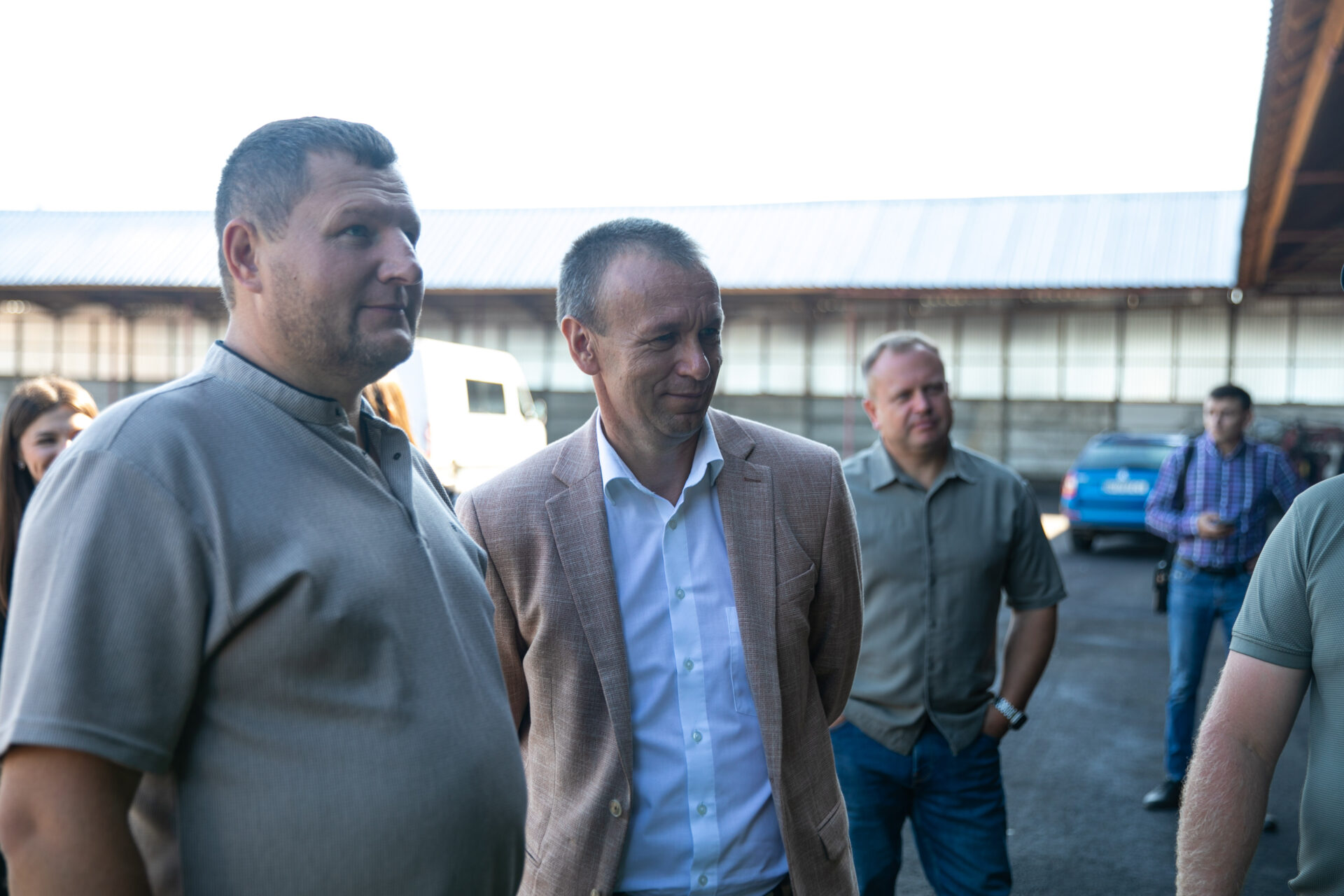
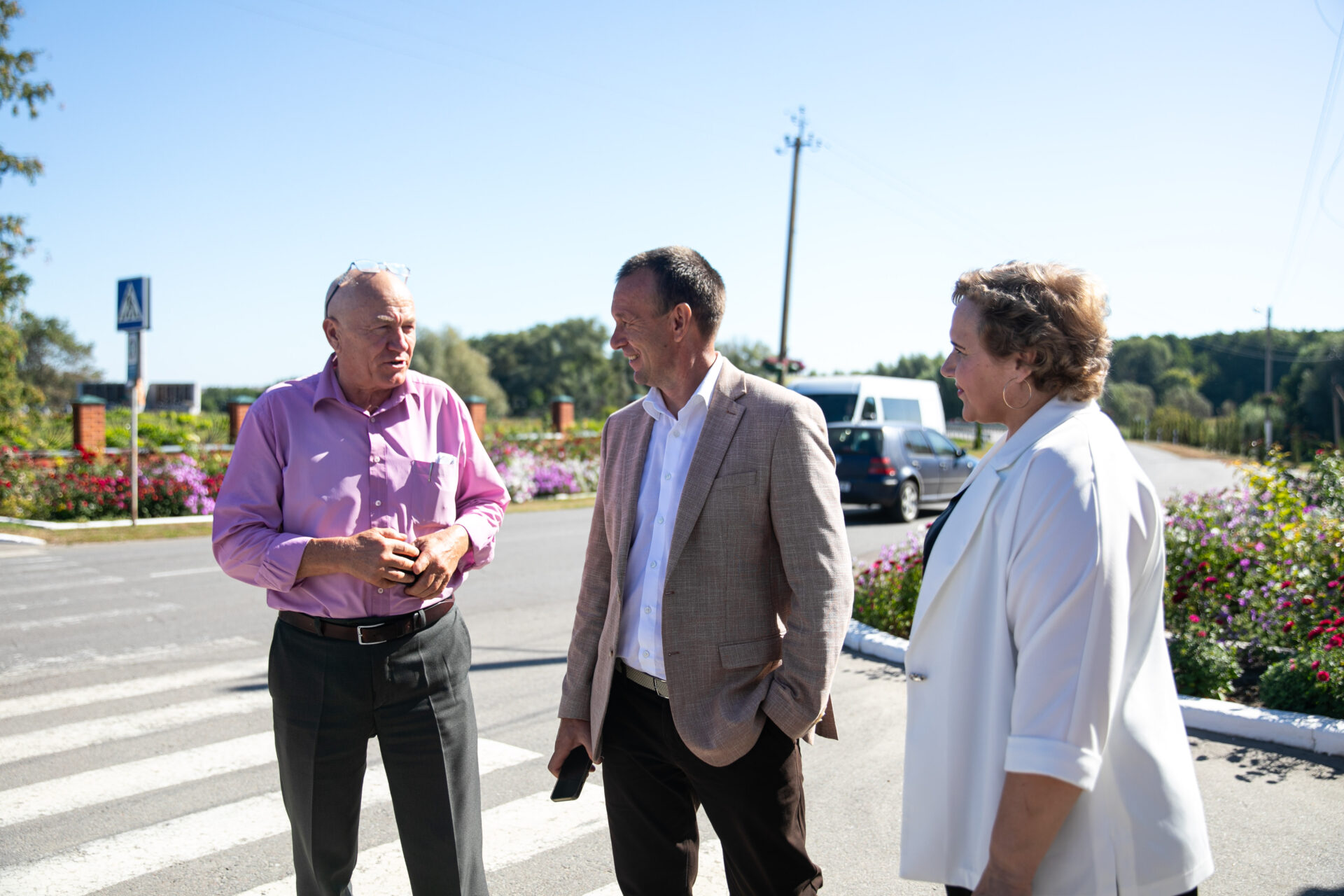
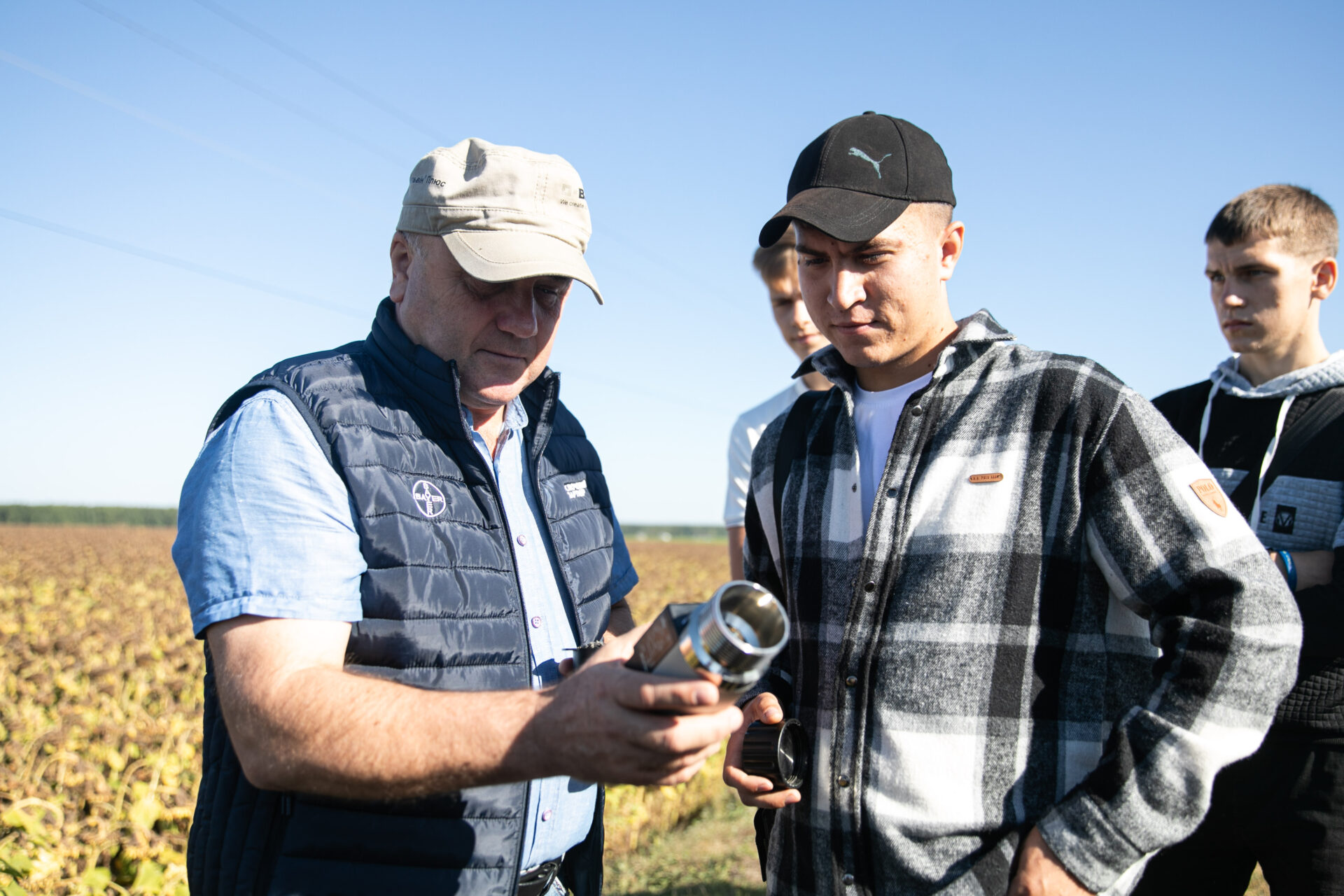
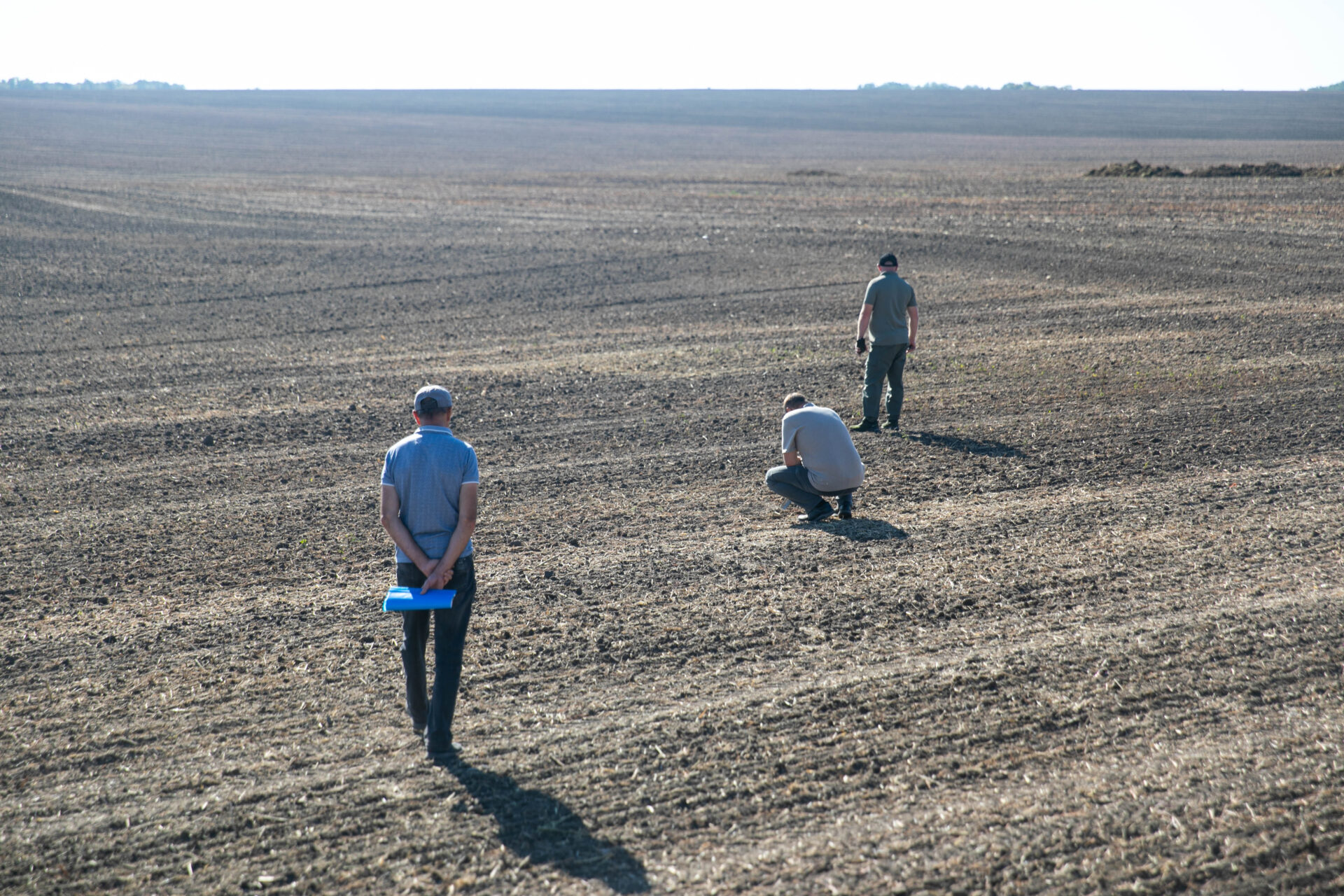
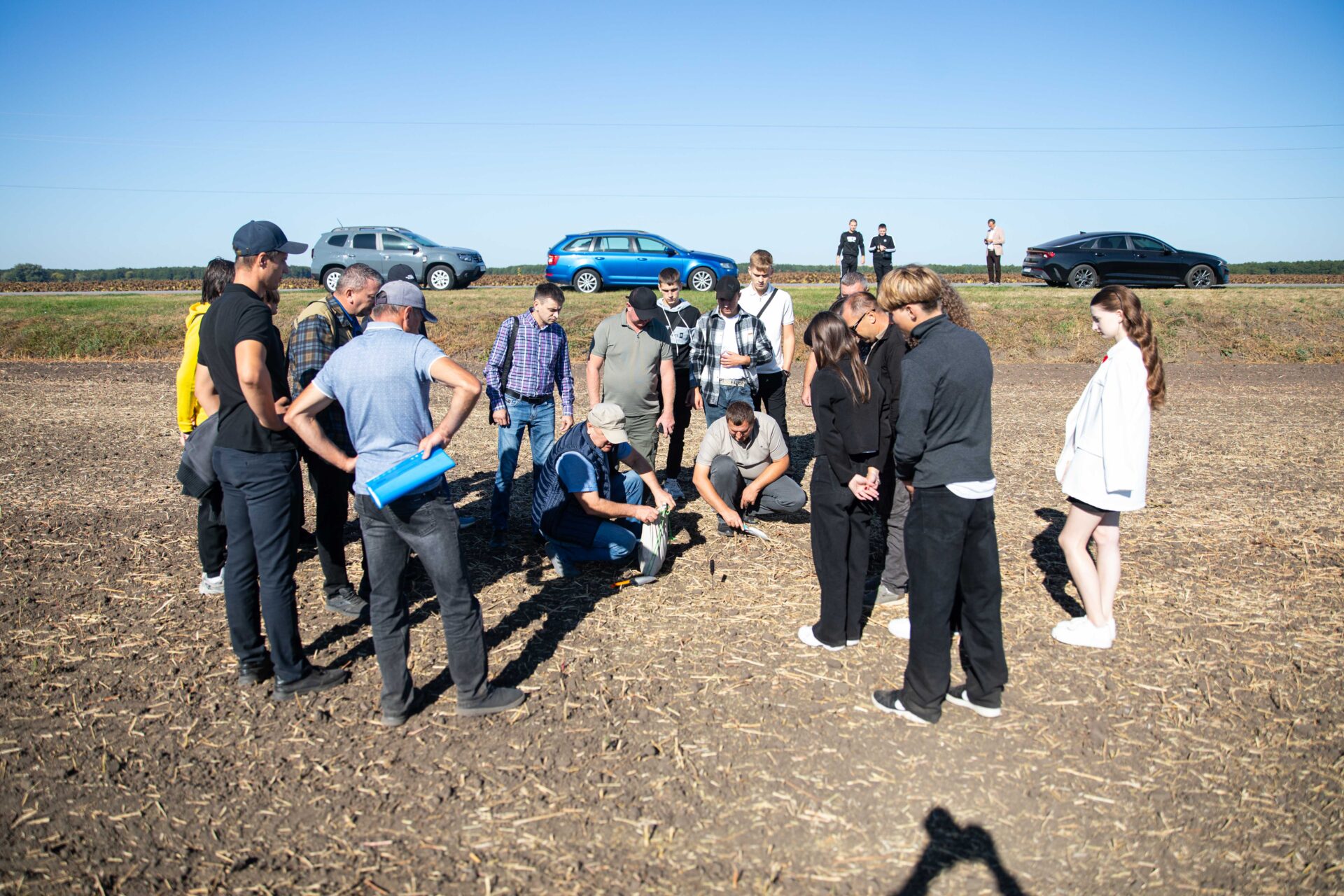
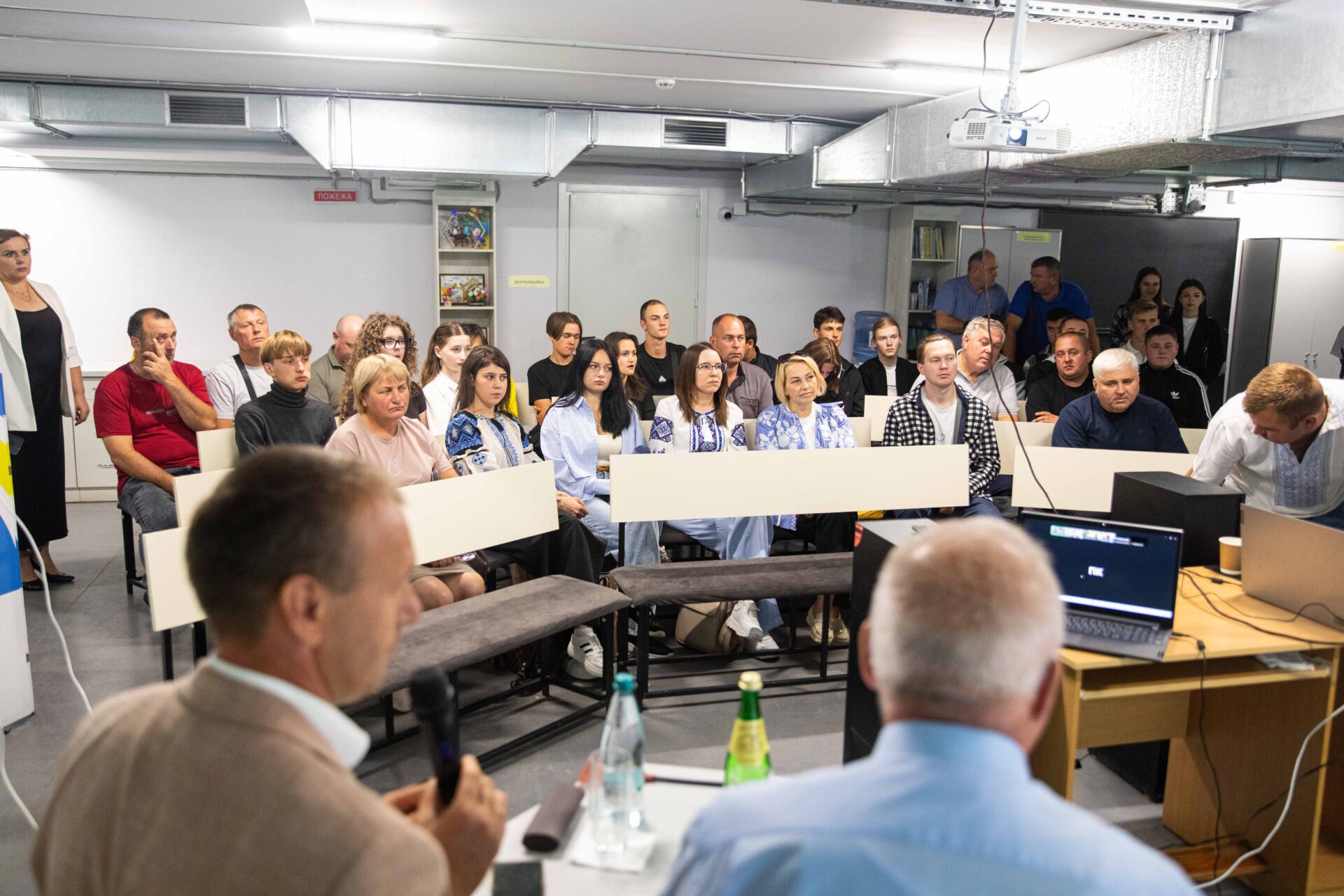
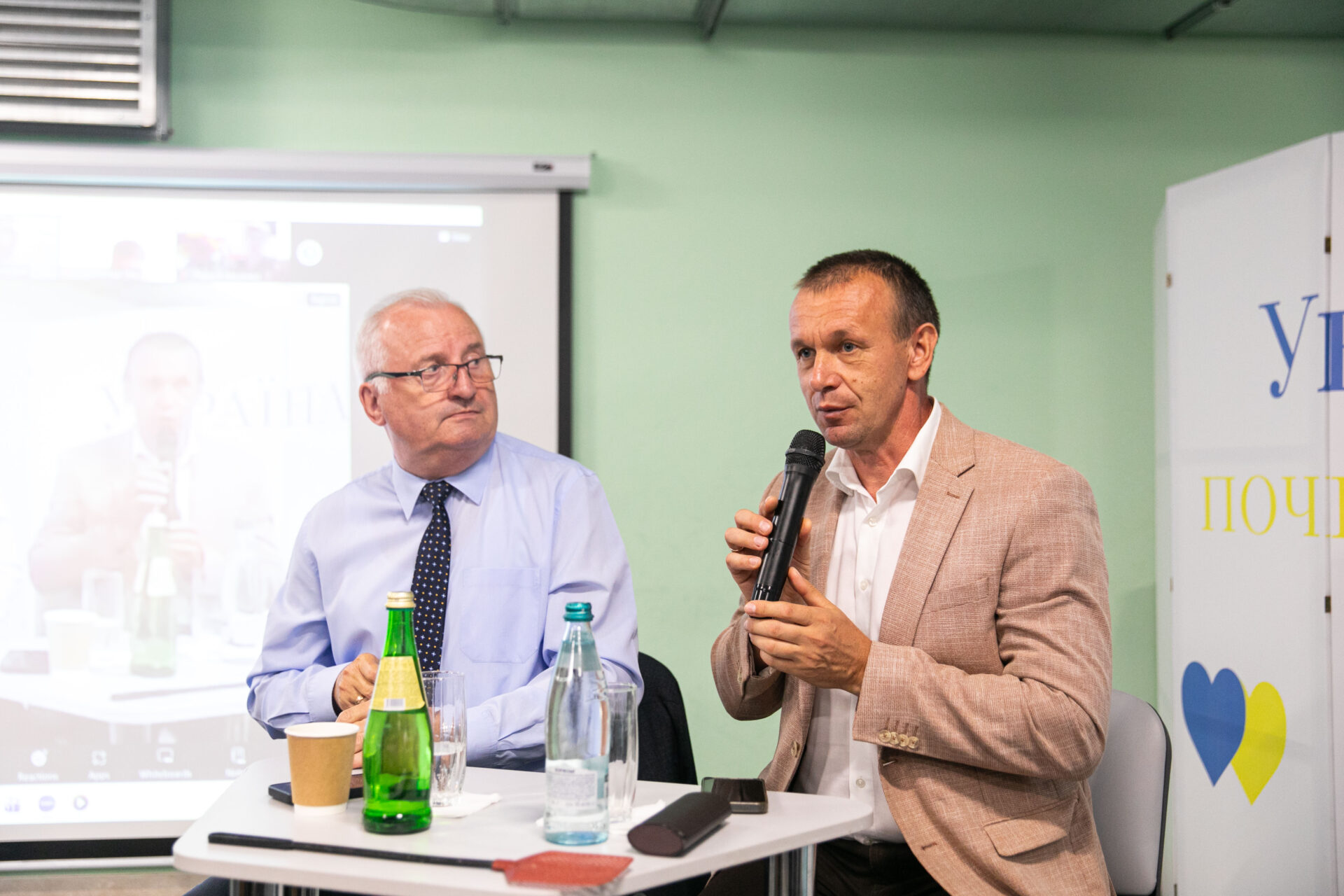
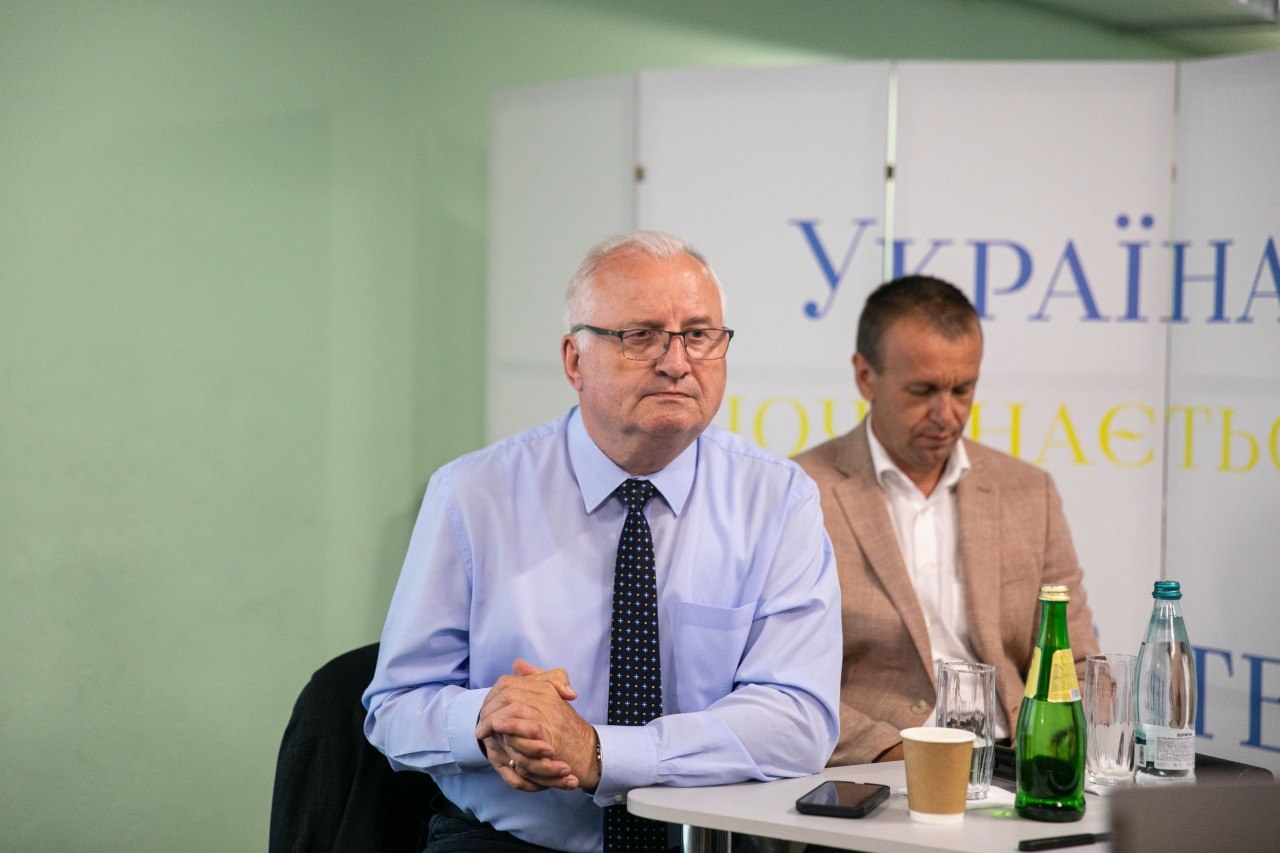
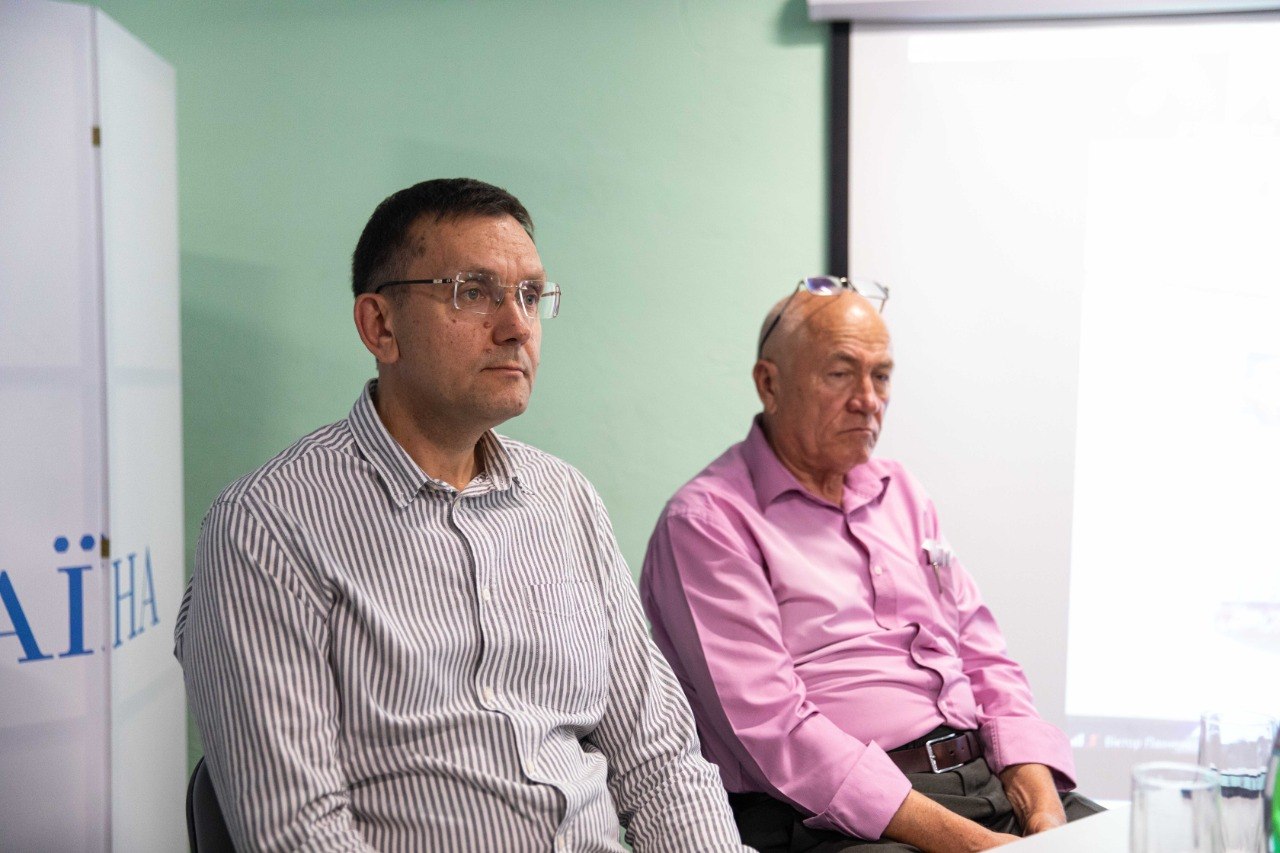
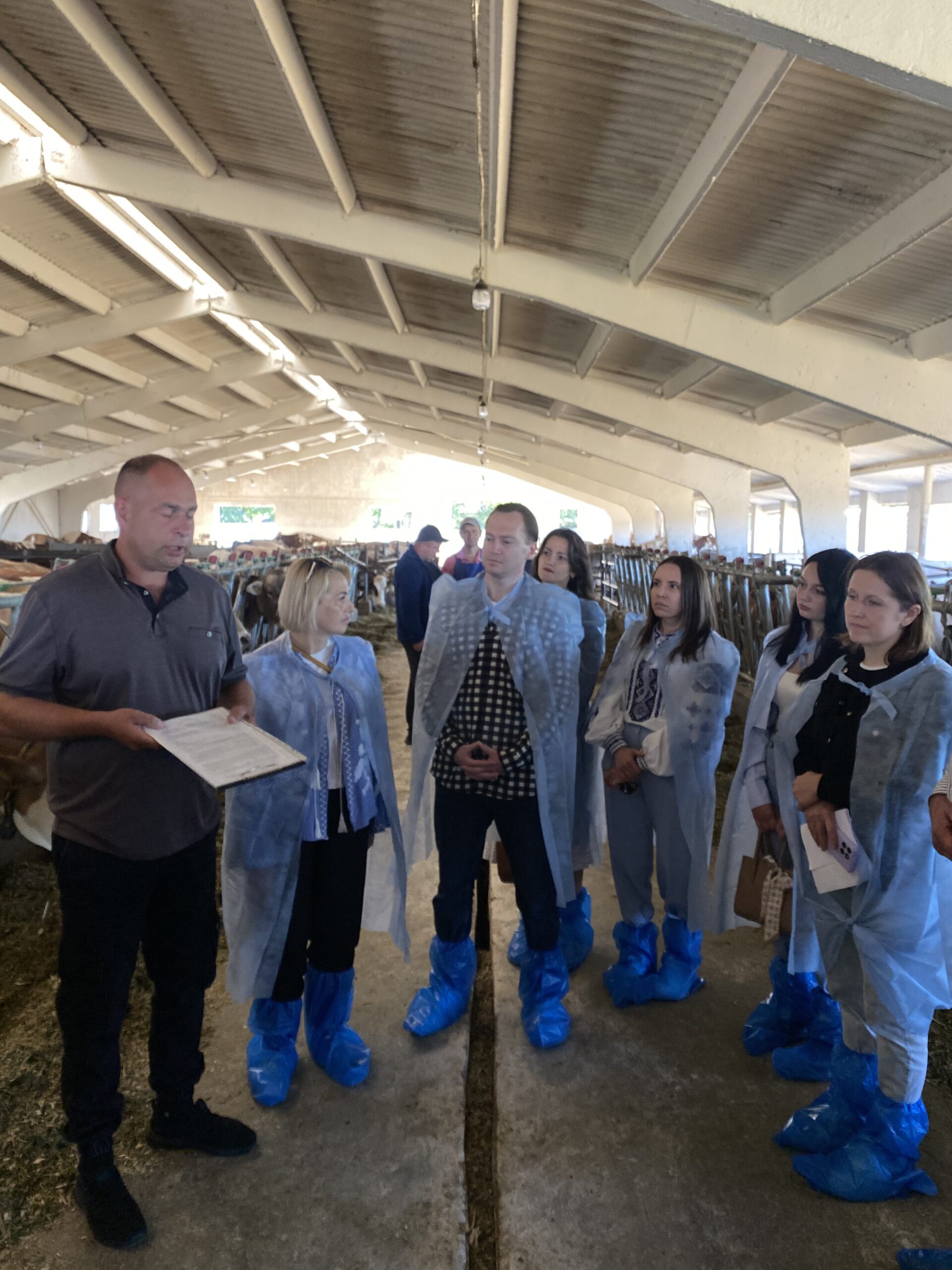
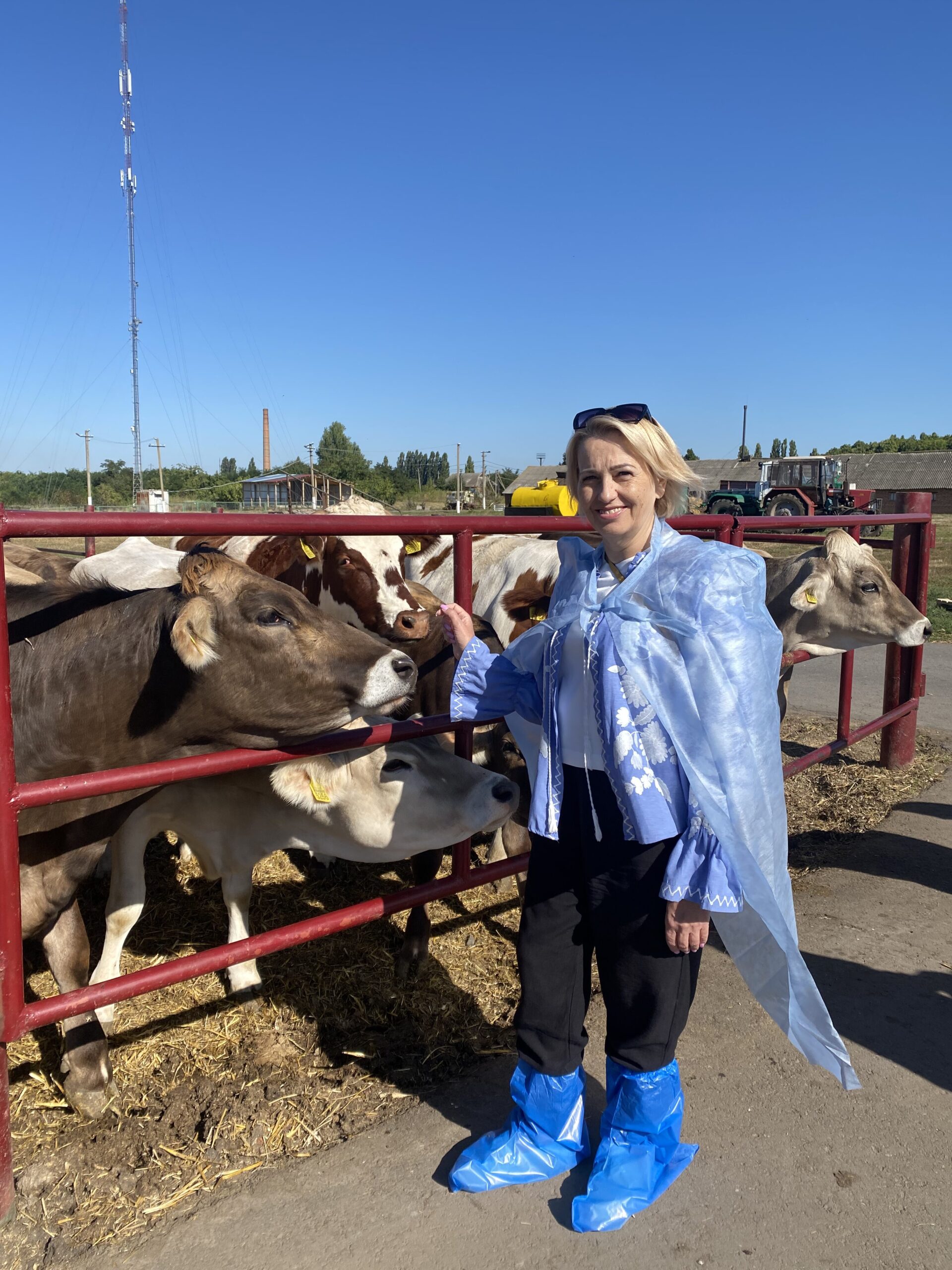
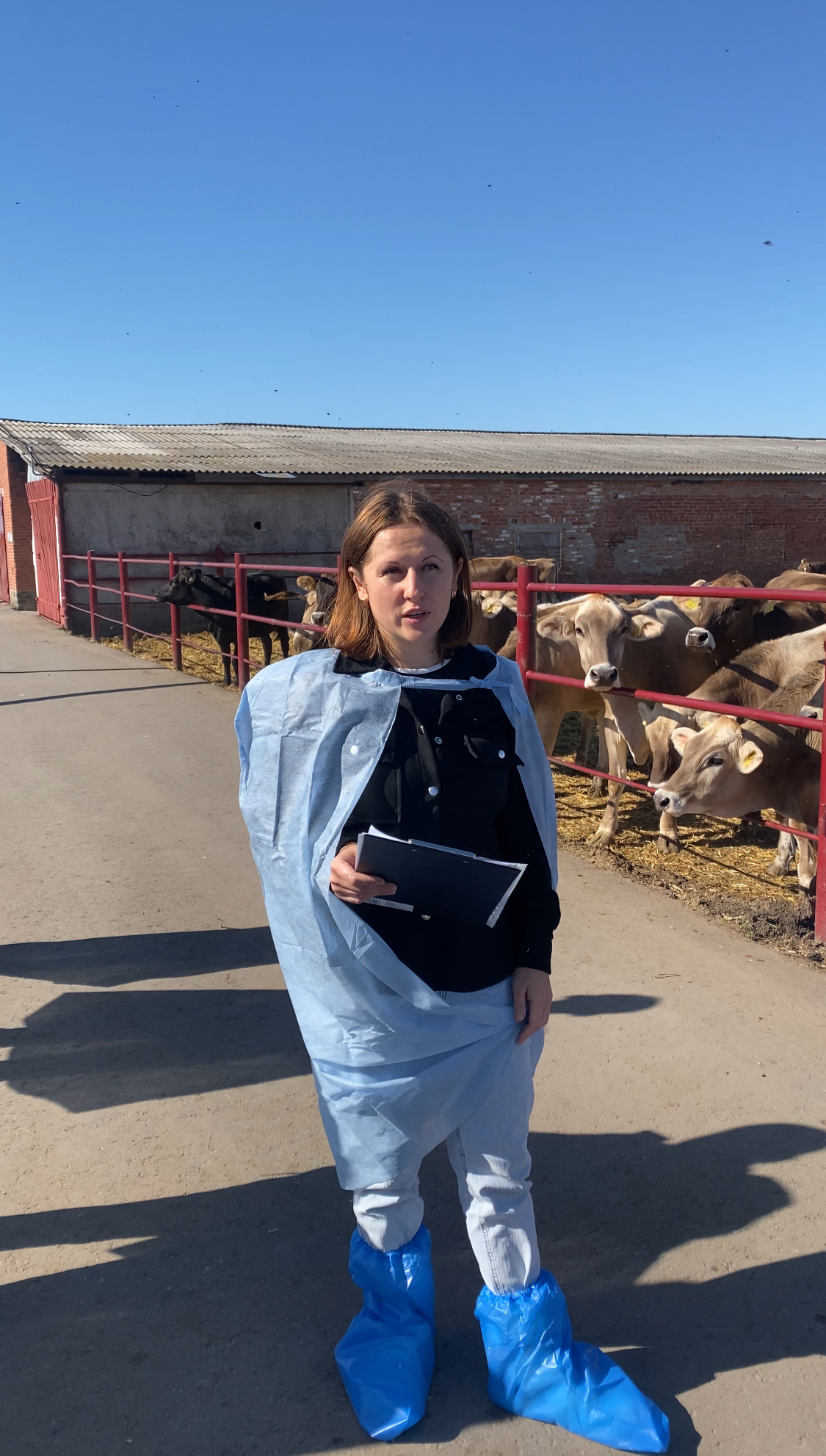
A modern farm is no longer just about raising animals. It’s about breeding, the quality of young stock, data, digital technologies, and decisions that determine a herd’s productivity for years to come. It was from this perspective that, on September 10 in the Okhtyrka District, participants discussed the development of dairy farming during the scientific and practical seminar “Simmental and Brown Swiss Breed Farm Day.”
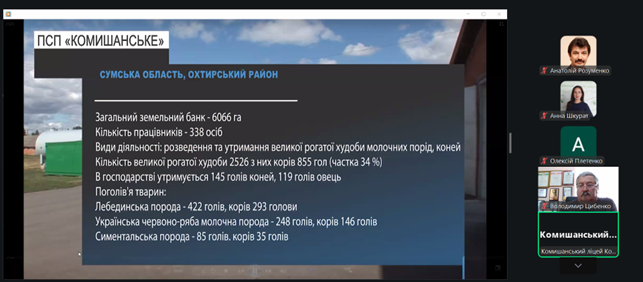
The seminar’s hybrid format combined on-site work at the farms with expert discussion. The focus was on the Simmental and Brown Swiss breeds, but the conversation went far beyond the characteristics of individual animals—it covered how to build a herd, work with its genetic potential, monitor the cows’ condition, and simultaneously improve the economic efficiency of production.
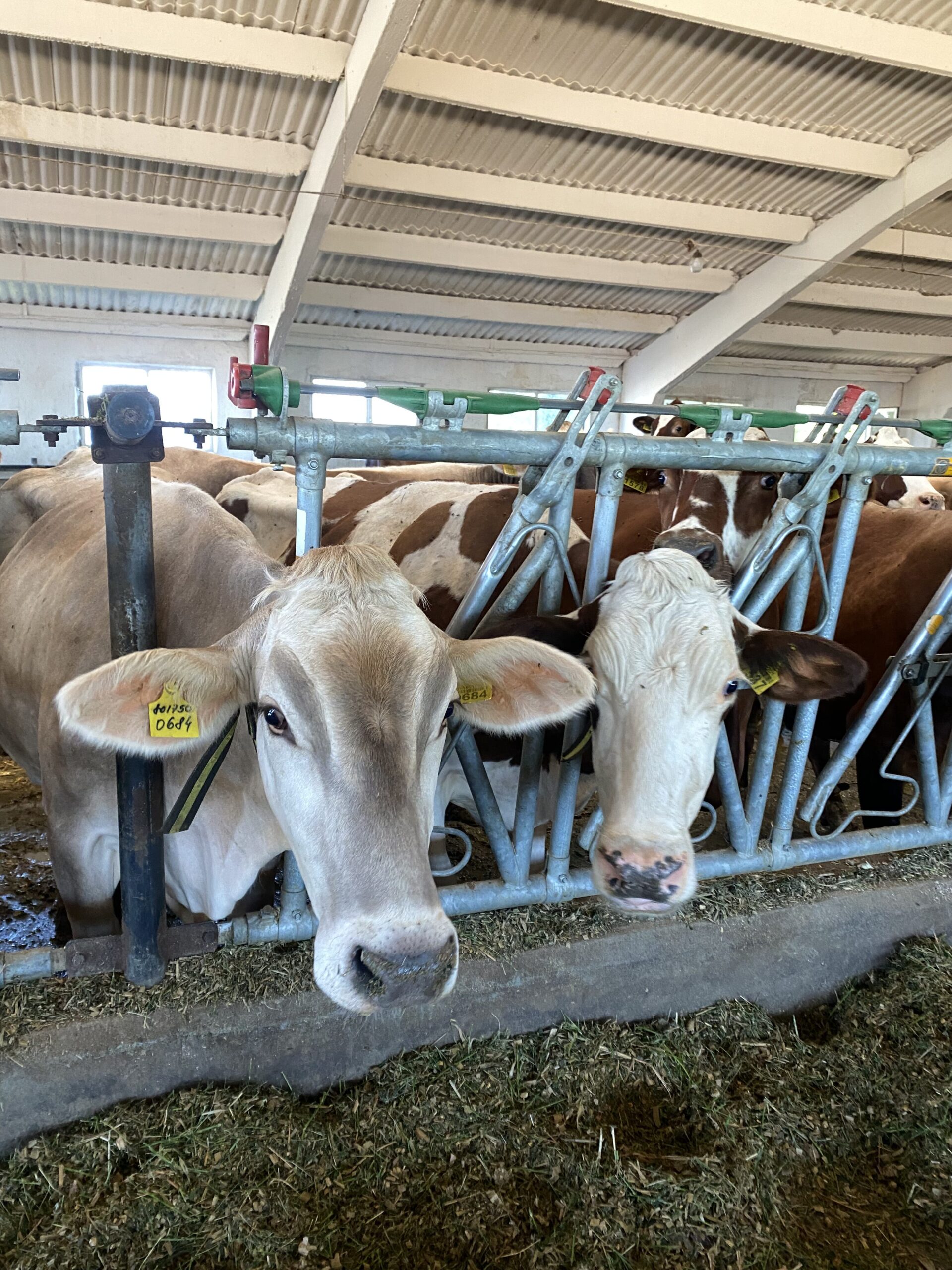
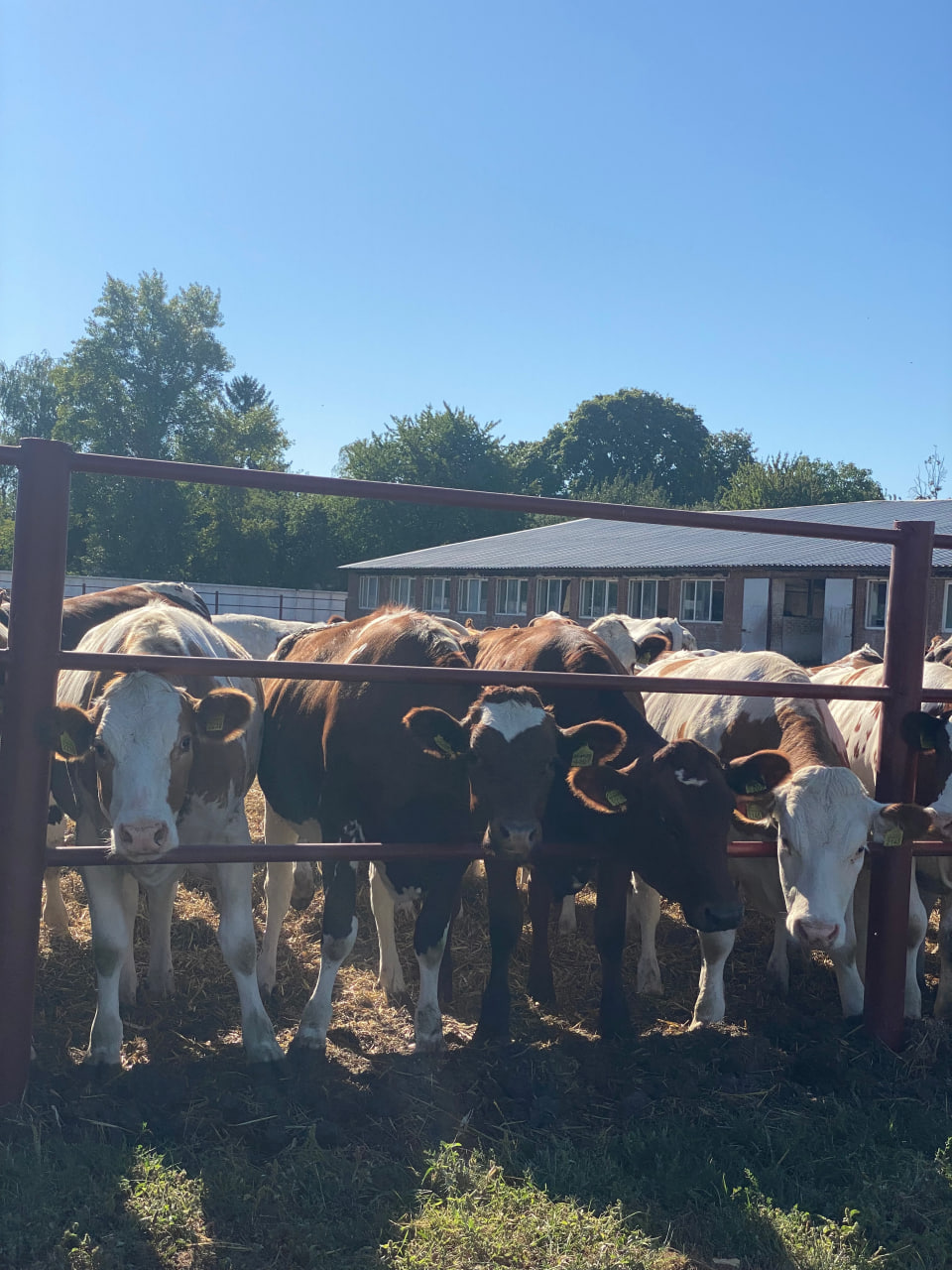
The practical session began with Simmental replacement heifers. Chief Animal Breeder Vasyl Andriychuk presented an overview of the heifers and the herd management plan for 2021–2025. Young researchers from the Sumy National Agrarian University Tetiana Kuchkova and Anastasia Belchenko introduced the participants to Simmental and Brown Swiss cows.
Another practical focus was the use of digital technologies in the farm’s daily operations.
I. Bohan presented SenseHub—a system for monitoring cows’ mobility and rumination—which helps track changes in animal behavior and respond to them in a timely manner.
The Brown Swiss breed was discussed separately. SNAU Professor Volodymyr Ladyka presented characteristics of replacement heifers and spoke about the prospects for using Brown Swiss cattle in production. In particular, the discussion focused on how breeding efforts can influence not only herd productivity but also the subsequent value of milk.
Associate Professor Y. Sklyarenko continued this theme in his presentation, “Brown Cattle—Maximum Added Value in Production and Processing.” In practical terms, this means one simple thing: the properties of milk matter not only at the time of production but also during subsequent processing—particularly for the production of cheese and other dairy products.
PhD Tetyana Kuchkova led a separate seminar for Agroscouts as part of the Milk Producers Association’s project. Participants focused on practical aspects of managing a dairy herd.
They moved from the specifics of a single farm to a broader perspective on the industry’s development. Oleksandr Maslak, Director of the Department of Agricultural and Industrial Development at the Sumy Regional State Administration, outlined trends in the development of dairy cattle farming in Sumy region. Ostap Zhukorskyi, an academician of the National Academy of Agrarian Sciences (NAAS), presented approaches to crossbreeding at research farms within the NAAS network.
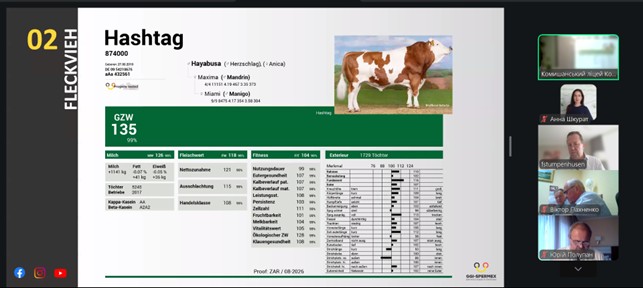
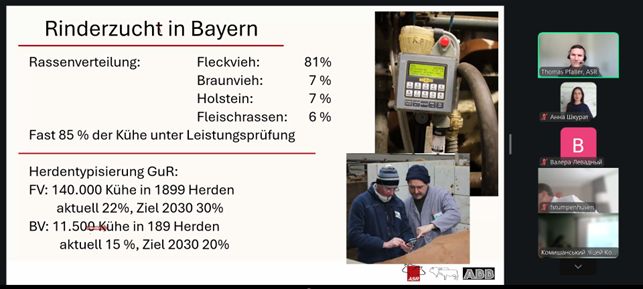
International experience rounded out the seminar program. Experts from Bavaria—Dr. Ertl, Pfaller, and Stumpenhusen—spoke about herd selection and reproduction in southern Germany. For Ukrainian producers, this is an opportunity to compare their own approaches with European dairy farming practices and see how breeding decisions work within the production system.
“Farm Day” served not only as a platform for exchanging experiences but also as a space for future professional development. During the event a meeting of the Council of Brown Cattle Breeders of Ukraine took place.
The seminar was organized by the National Academy of Agrarian Sciences of Ukraine, Sumy National Agrarian University, the Department of Agrarian and Industrial Development of the Sumy Regional State Administration, the Association of Milk Producers, and the Association of Brown Cattle Breeders of Ukraine.
The future of dairy farming is not shaped by a single decision. It begins with the selection of a breed and high-quality young stock, continues with breeding, daily herd management, and the use of data and technology—and ultimately determines how efficient production will be. It was precisely this sequence, from science to practice, that “Farm Day” in the Sumy region demonstrated.