On October 28, the “PRO Development: Sumy Region” Regional Youth Forum took place, bringing together young people, government representatives, educational institutions, and the business sector. The event served as a platform for exchanging ideas, discussing the current needs of the youth, and identifying solutions aimed at the region’s development. In total, over 500 young people from the Sumy region participated in the forum.
The program featured four panel discussions covering the region’s socio-economic development, opportunities for personal and professional growth, the role of education in shaping the future of the Sumy region, and stories of individual and team success. Participants explored prospects in employment, entrepreneurship, vocational training, participation in grant programs, and community development. Special attention was given to the interaction between youth, government, the educational sector, and business, as well as to preserving and realizing the potential of young people amidst the challenges of war.
Sumy National Agrarian University has joined the dialogue on the future of education and the region’s youth potential.
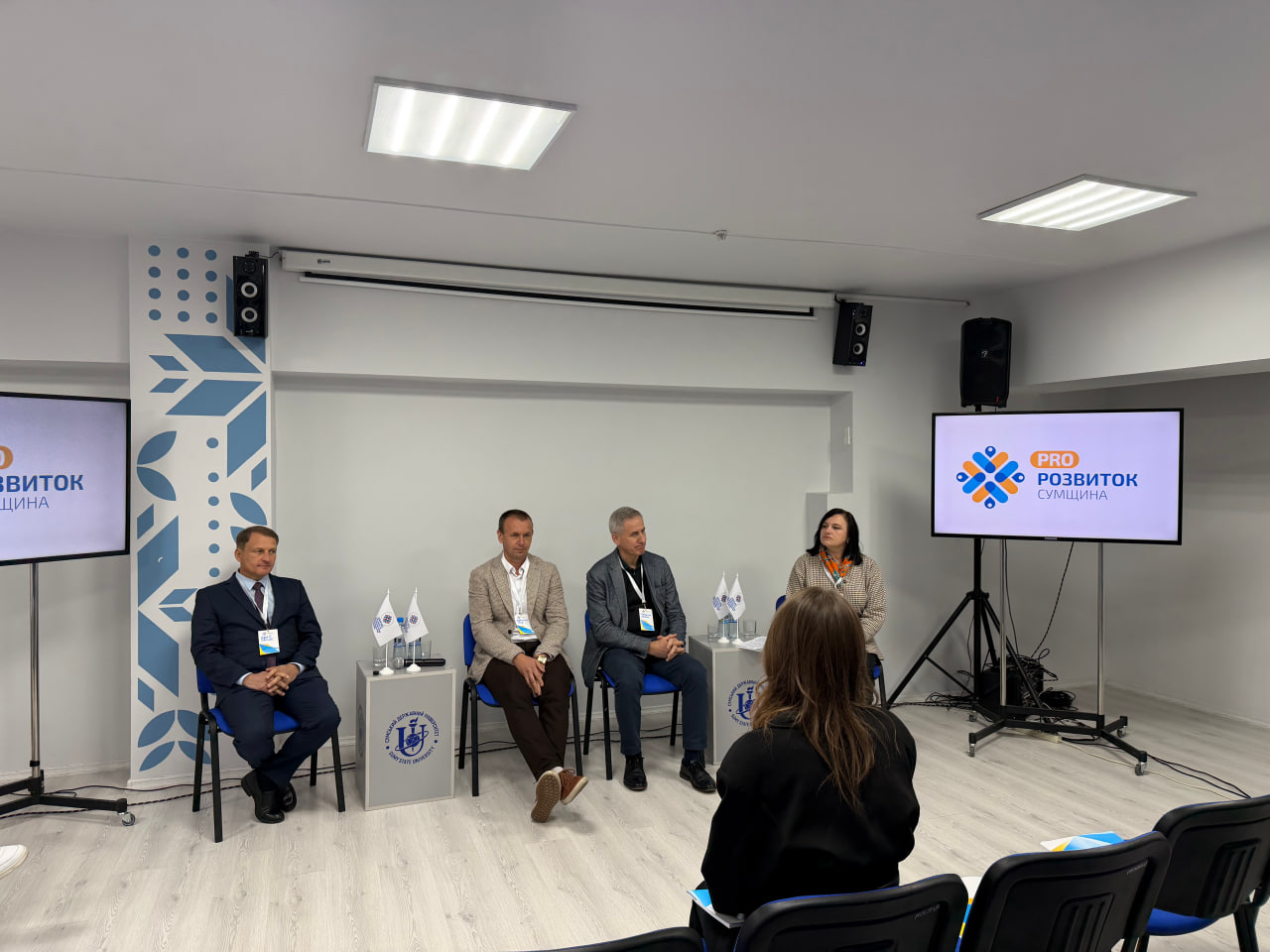
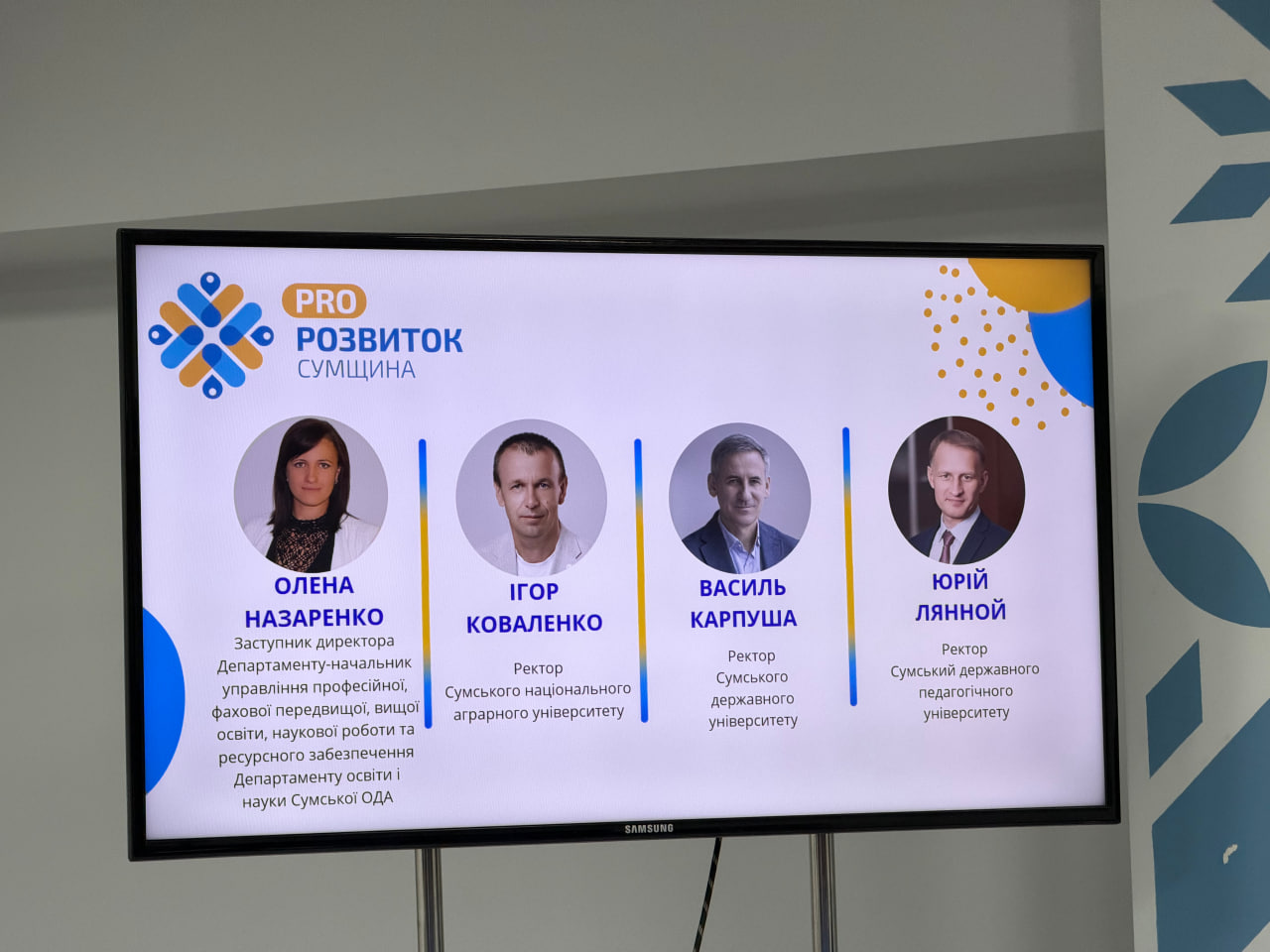
During a panel discussion titled “Education as an Investment in the Future of the Sumy Region,” SNAU Rector Ihor Kovalenko addressed the quality of higher education amidst the war, the role of universities in training specialists, and the creation of opportunities for young people to pursue their professional aspirations.
The Rector highlighted the resilience of the youth in the Sumy region, who—despite shelling, air raid alerts, and constant security risks—continue to study, work, volunteer, and carry out their own initiatives. Under these circumstances, the task of universities is not only to provide a high-quality education but also to foster an environment where young people can grow professionally, unlock their potential, and build their future in Ukraine.
SNAU demonstrates that high-quality education and research activities can thrive even under the challenging conditions of a border region. The university adapts its educational process to address security challenges, integrates learning with practical application and scientific research, and collaborates with the business sector and international partners. This approach enables the training of specialists for sectors vital to Ukraine’s economy while preserving the nation’s scientific and educational potential. The continued development of these areas is outlined in the Strategy for the Transformation and Expansion of Opportunities at SNAU for 2026–2030.
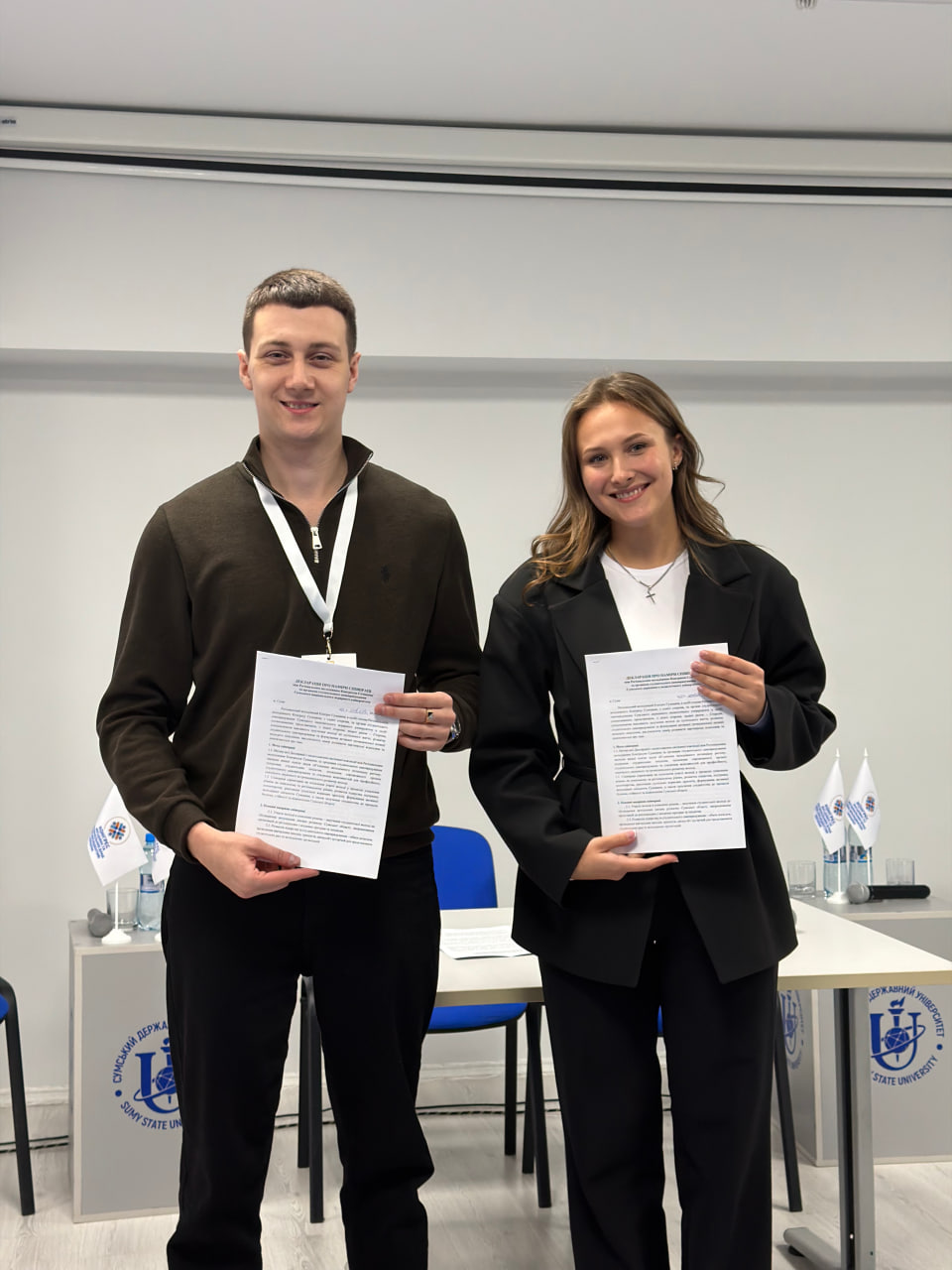
Another significant outcome of the forum was the signing of a Declaration of Intent to Cooperate between the Regional Youth Congress of the Sumy Region and the student self-government bodies of SNAU.
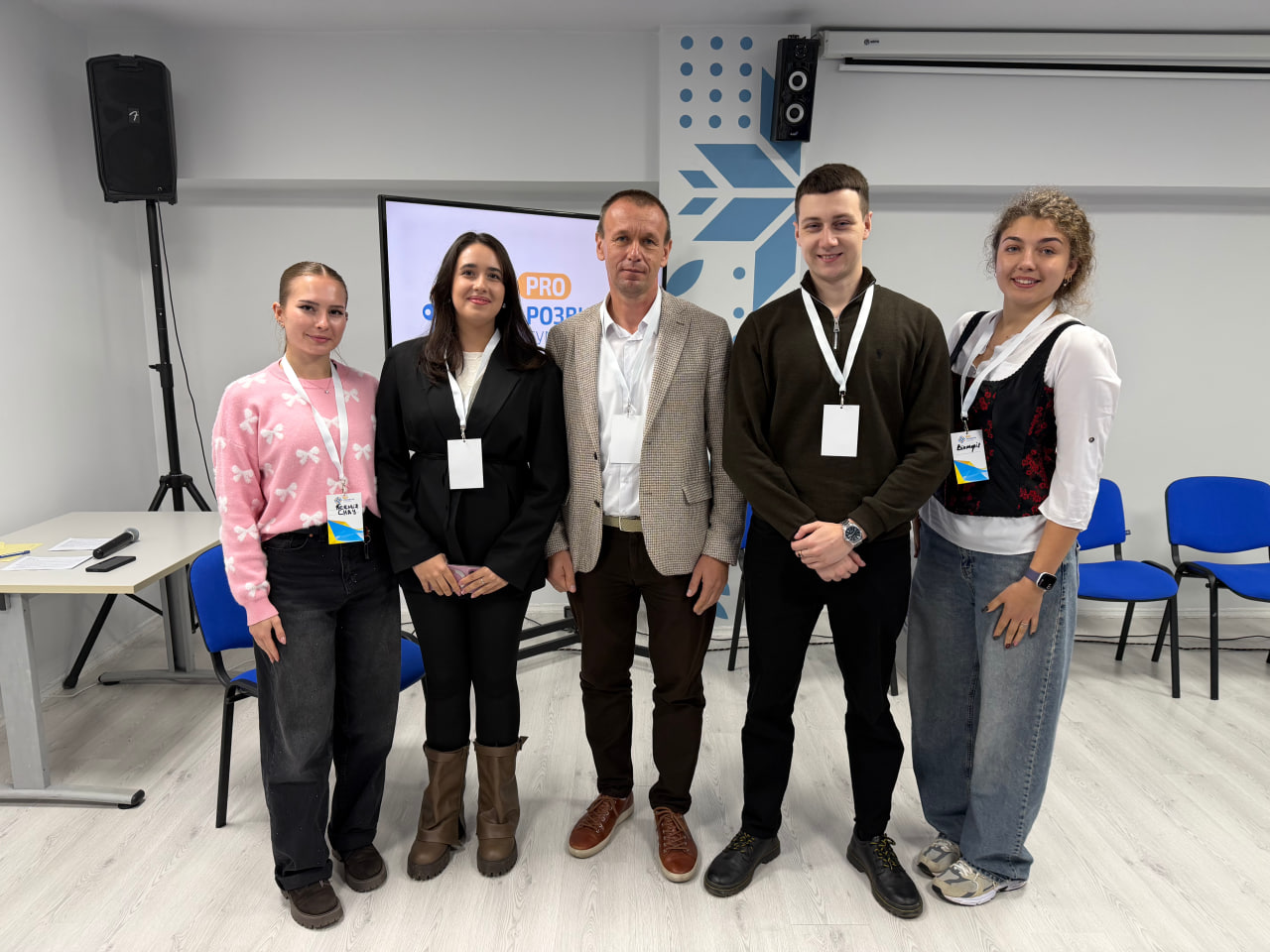
The university was represented by Student Rector Andrii Makarenko, Student Ombudsman Viktoriia Tokar, First Student Vice-Rector Tetiana Dovbnia, and Student Vice-Rector for Volunteering Kseniia Atorina.
The declaration lays the foundation for future cooperation, the exchange of experience, and the implementation of joint youth initiatives. It offers an opportunity to enhance student participation in public life, develop new partnerships, and support initiatives that are significant for the youth of the Sumy region.
Participation in the forum reaffirms SNAU’s commitment to being an active driver of change—fostering high-quality education and research, supporting young people, and strengthening partnerships upon which the future of the region and the country depends.