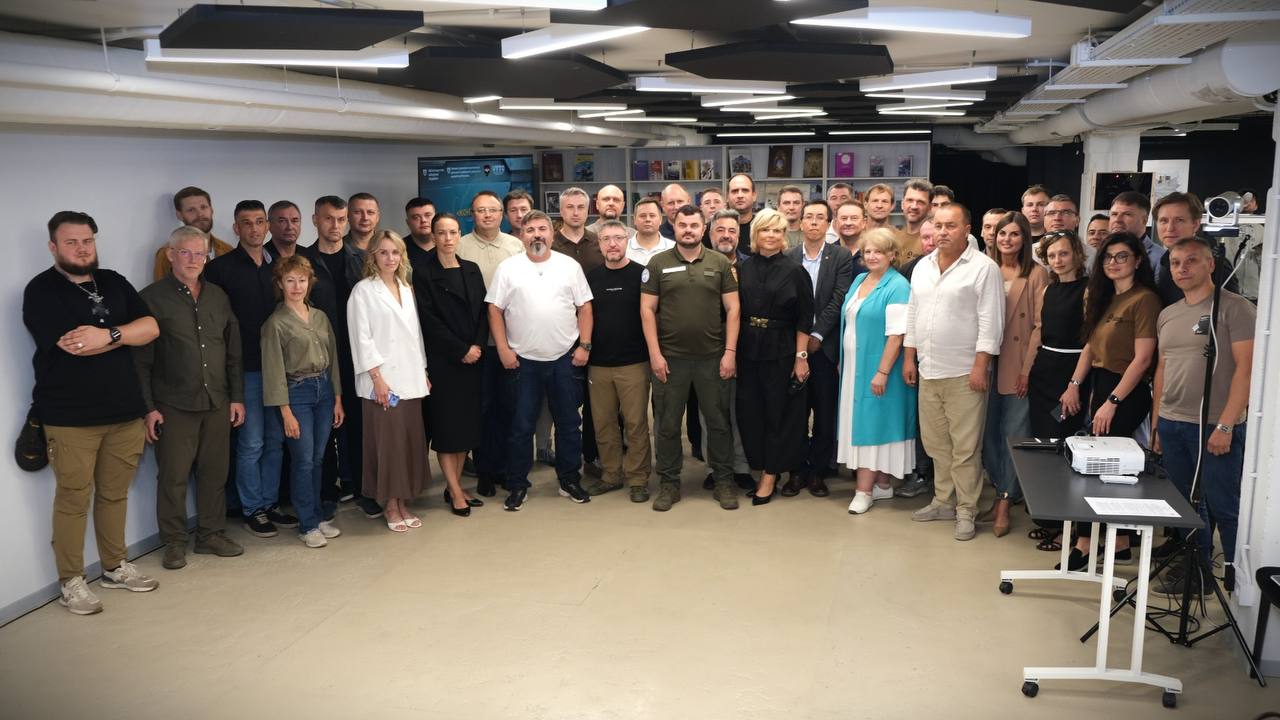
The safe clearance of territories does not end with demining. Returning affected lands to agricultural use requires a reliable assessment of their environmental condition, laboratory testing, and systematic monitoring.
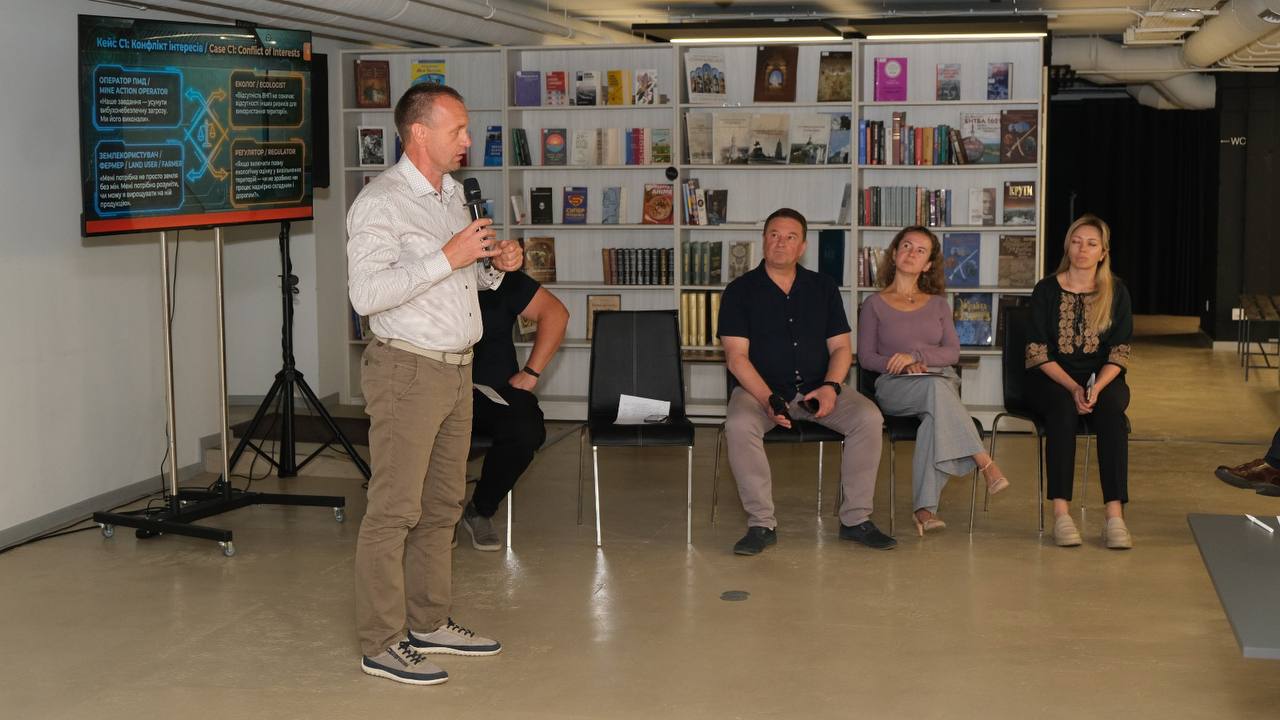
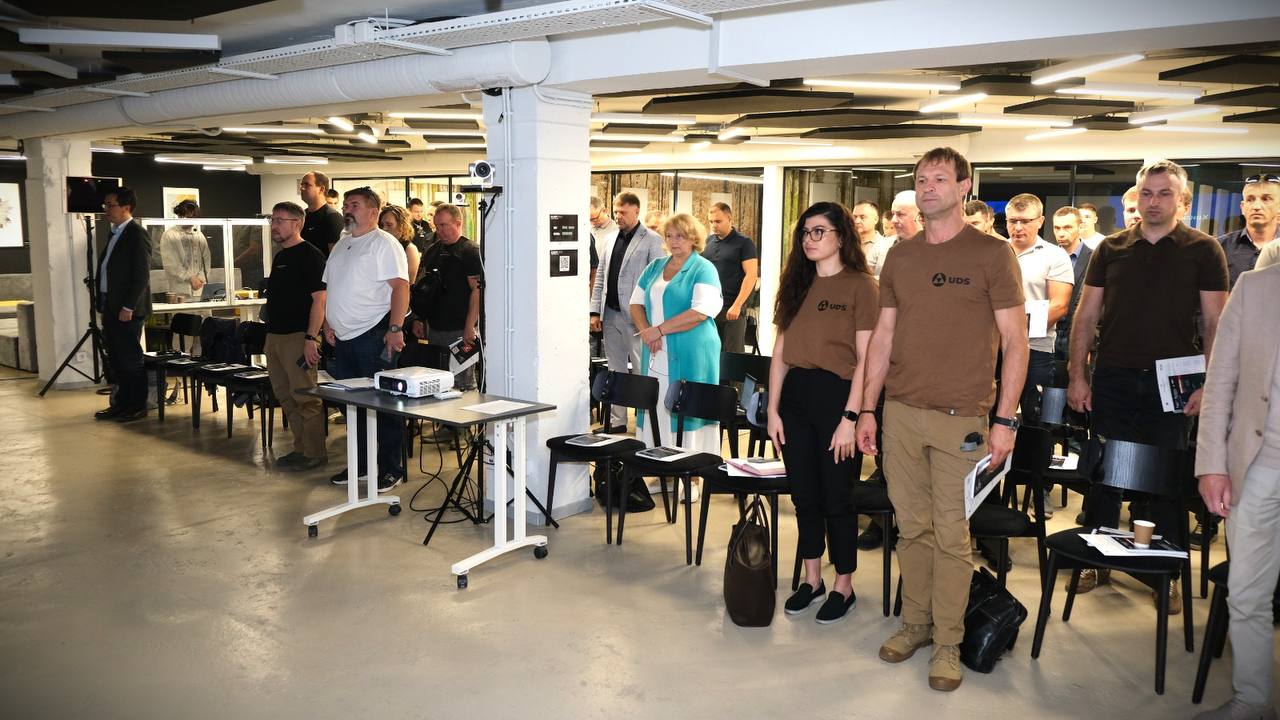
It was precisely this issue that was the focus of Sumy National Agrarian University Rector Ihor Kovalenko’s participation in the Third Roundtable, “Security Framework: Quality and Safety of Territory Reclamation—Surveys, Inspections, Environmental Control, and Monitoring.”
The event was initiated by the Main Directorate for Mine Action, Civil Protection, and Environmental Safety of the Ministry of Defense of Ukraine in partnership with the United Nations Development Program (UNDP) and the National Technical University of Ukraine “Ihor Sikorsky Kyiv Polytechnic Institute.”
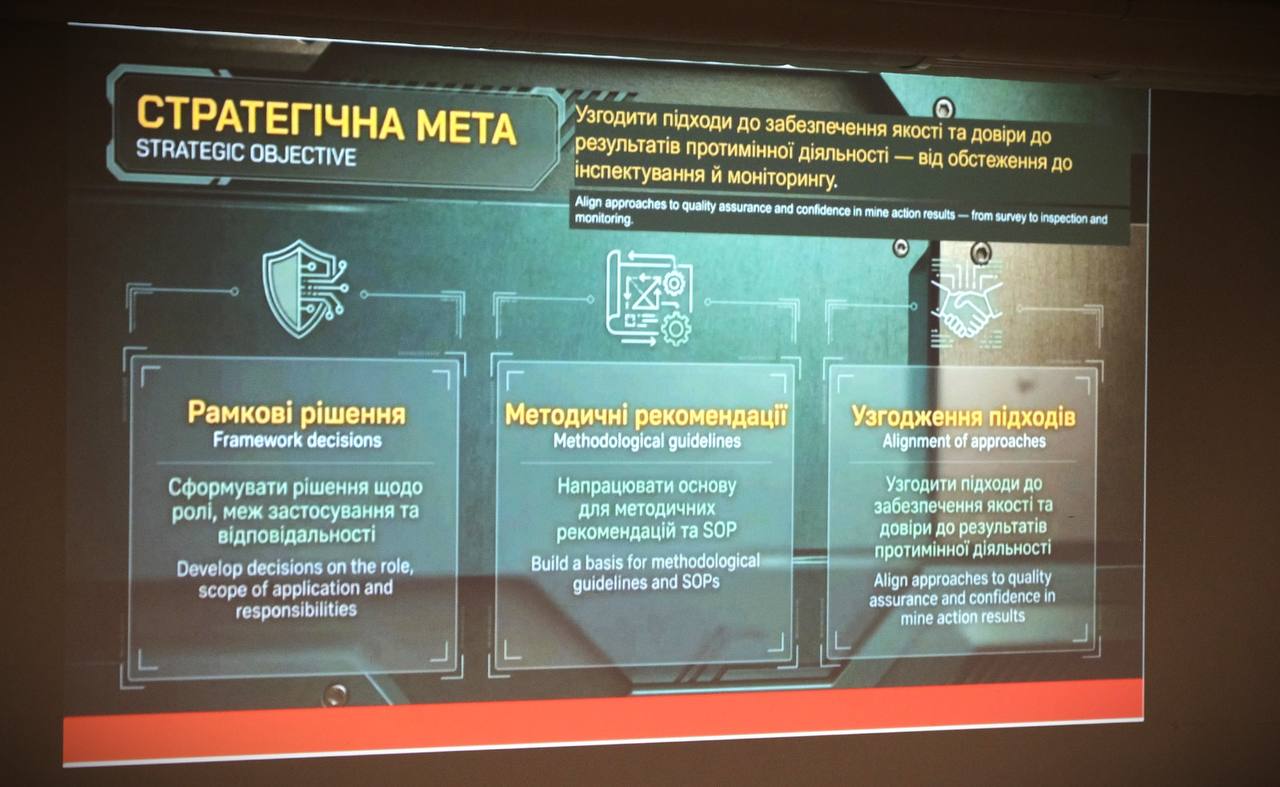
The professional discussion focused on issues of quality assurance and confidence in the results of mine action at all stages of territory clearance: from survey and demining to inspection, quality control, environmental assessment, and follow-up monitoring.
The rector of SNAU presented a report titled “Environmental Control in Territory Clearance Processes: Legislative and Methodological Framework. Laboratory Testing of Land After Demining,” showcasing the university’s achievements in the field of research on land affected by hostilities.
For SNAU, this is not a new area of focus but rather systematic scientific work that already boasts a significant body of field and laboratory data and an international dimension.
With support from the UK government through the UK Department for Environment, Food & Rural Affairs (DEFRA), researchers at SNAU, in collaboration with the Royal Agricultural University (RAU) in the UK, are studying the impact of hostilities on Ukrainian soils.
As part of this work, researchers at SNAU collected more than 8,000 soil samples from areas affected by hostilities, particularly from border communities. The data obtained are used to assess potential chemical contamination, conduct spatial analysis of its spread, and develop approaches for further monitoring and land restoration.
Today, the university has a well-developed international network of partners in the field of researching the impact of warfare on soils and the restoration of affected territories. Collaboration with universities, research institutions, and international organizations enables SNAU to combine the results of its own research with international scientific and practical expertise.
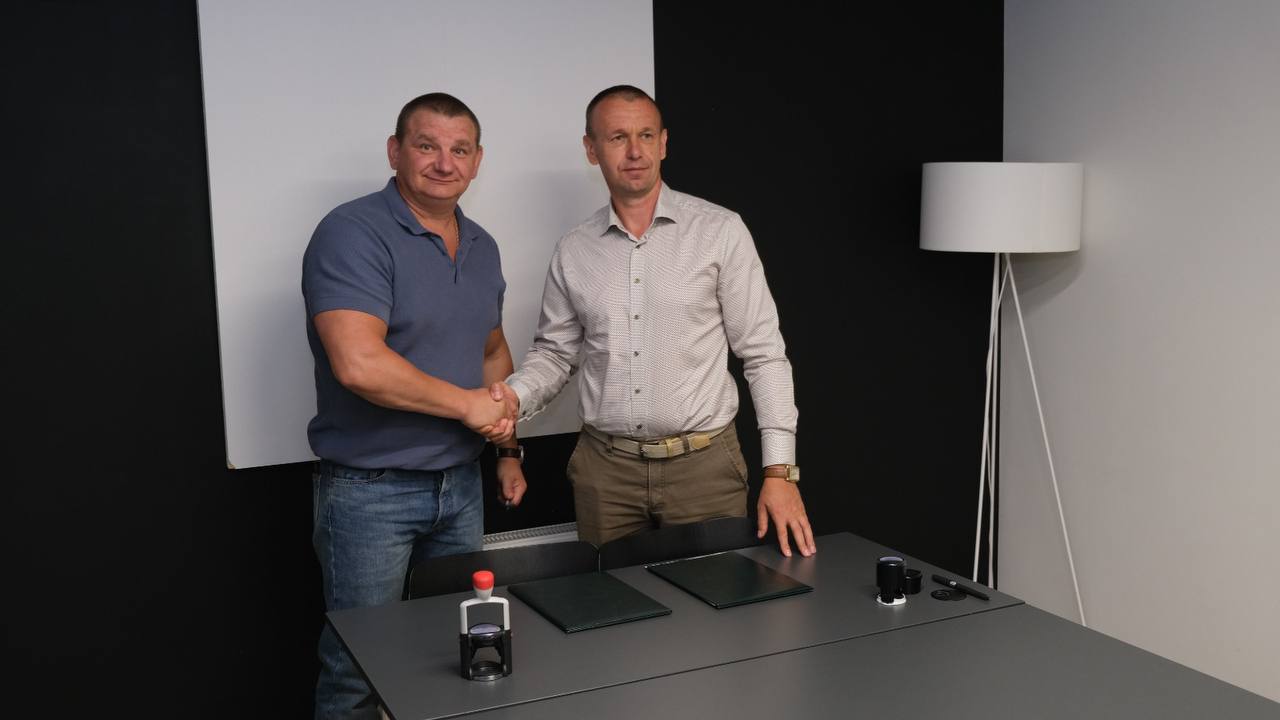
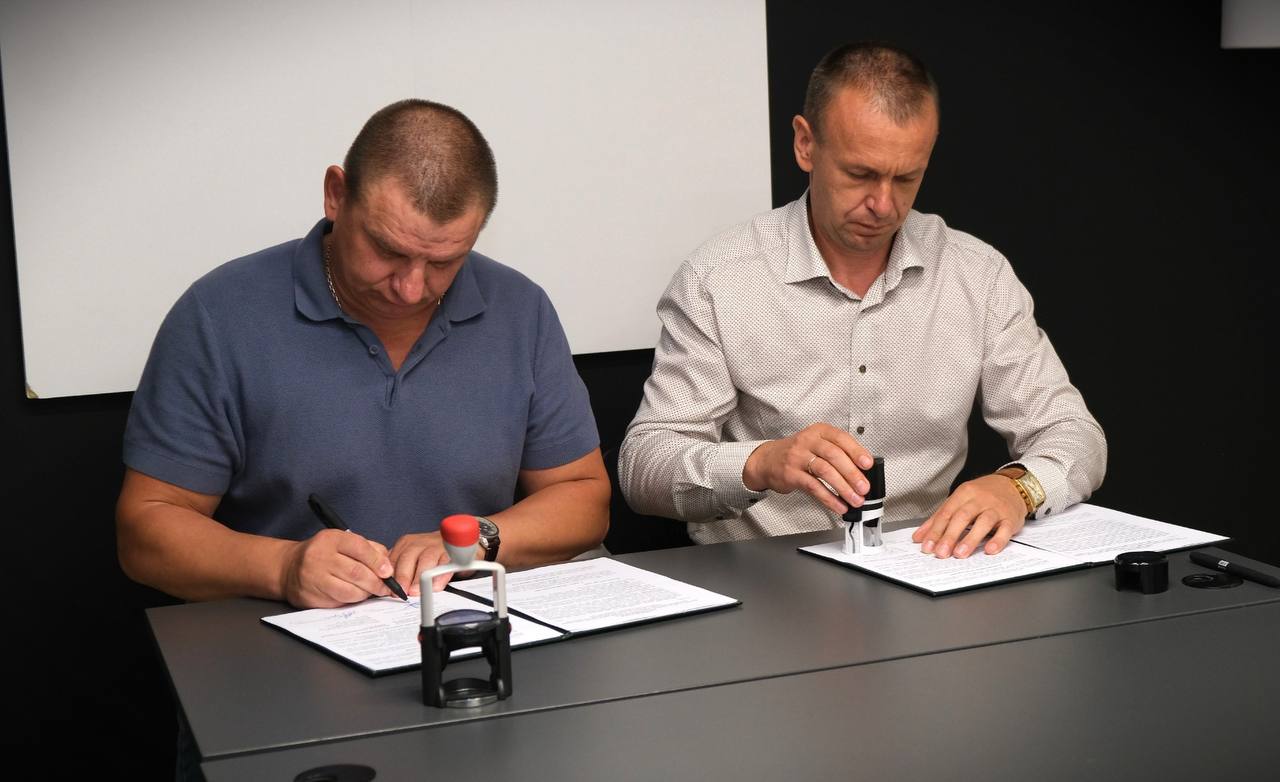
A key outcome of the working visit was the signing of a Memorandum of Cooperation between the Joint Center of Excellence for Mine Action, Civil Protection, and Environmental Safety and Sumy National Agrarian University.
The document was signed by Colonel Oleh Riabchuk, head of the Joint Center, and Ihor Kovalenko, rector of the SNAU.
The memorandum provides for the development of scientific and practical cooperation in the field of mine action and environmental safety. Among the identified areas of cooperation are joint field, experimental, and laboratory research; assessment of the condition of land affected by hostilities and contaminated with explosive ordnance; development of sampling and laboratory testing methods; environmental monitoring; and environmental risk assessment.
The parties will pay particular attention to developing scientifically sound recommendations for the safe return of liberated territories to agricultural and other economic use.
The signing of the Memorandum expands opportunities for the practical application of SNAU’s scientific expertise in the field of environmental safety and for the development of joint research with government institutions, mine action operators, scientific institutions, and international partners.
For Sumy National Agrarian University, this marks a logical continuation of the work the university has been carrying out in response to one of the key challenges of the wartime and postwar periods: providing scientific support for the safe restoration of Ukraine’s lands.